Original article: Grave: Estudio detectó altas concentraciones de metales tóxicos como plomo, zinc y arsénico en Arica
Alarming Study Reveals High Levels of Toxic Metals like Lead, Zinc, and Arsenic in Arica
The term «metal-laden sludge» referred to the heap of mining waste imported by the Metals Processor (Promel) into Chile from Sweden during 1984 and 1985. The company falsely reported to customs and health authorities that the materials were non-toxic, intended for the purported extraction and recovery of gold and silver.
This deception allowed the company to evade environmental regulations, subsequently dumping the heavy metal cargo outdoors, in close proximity to the Sica Sica community. Years later, residential areas such as Los Industriales and Cerro Chuño were also developed nearby.
The neglect of these hazardous wastes, coupled with urban expansion, exposed thousands of residents to high concentrations of toxic elements like lead, arsenic, and cadmium, culminating in a public health and environmental crisis in the late 1990s.
This emergency eventually led to the removal of the industrial dump, the relocation of affected families, judicial proceedings, and a compensation lawsuit filed in Sweden.
Politically, this prompted the establishment of an Investigative Commission in 2003 and the enactment of the so-called «Arica Polymetallic Law» in 2012, which established an Intervention Program in Areas with Polymetallic Presence in the Arica community.
However, the fallout from this toxic waste pile may not have ended with its removal and relocation. A recent study from the Chemistry Department at the University of Chile highlights ongoing concerns, published in the scientific journal CLEAN – Soil, Air, Water.
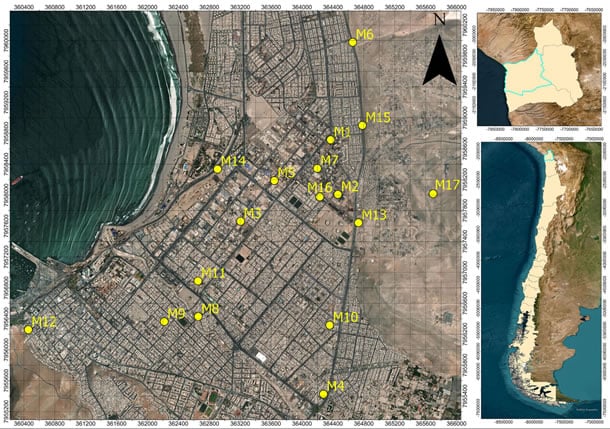
More than three decades after the polymetallic case, the investigation found elevated concentrations of lead, zinc, arsenic, and other potentially toxic elements in surface soils across various sectors of Arica.
The findings indicate localized hotspots of these metals that align with both the legacy of the waste imported from Sweden and more recent urban and industrial sources.
This new evidence underscores the persistence and potential redistribution of pollutants in the urban environment despite remediation efforts in place since the 1990s.
«In Arica, we observed that the signals from the contamination event over 30 years ago are still present in certain areas, contributing to the current pollution scenario. Additionally, there are contemporary sources linked to urban and industrial activities, creating a particularly complex situation,» explained academic Carlos Manzano from the Faculty of Sciences at the University of Chile.
«We also found concentrations of some elements that exceed international reference values. This does not necessarily indicate health damage, but it does suggest that certain areas warrant ongoing environmental and health monitoring,» the expert added.
Read the full report published by the University of Chile HERE
Obtén tu Pasaporte y apoya a El Ciudadano
Elimina la publicidad, accede a contenido exclusivo y sé parte de la comunidad.
Cancela en cualquier momento · Sin permanencia