Original article: Capacitan a brigadas del Ejército en rescate de fauna y animales domésticos durante incendios forestales
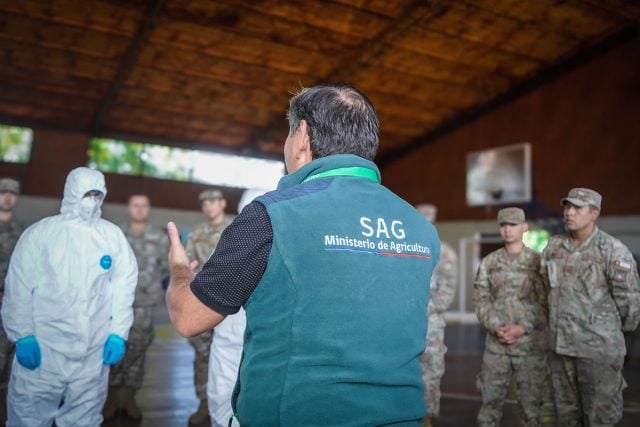
Amid the catastrophic wildfires currently affecting the country, the National Disaster Prevention and Response Service of La Araucanía (Senapred) has initiated training for the Wildfire Brigade of the 8th Mountain Detachment Tucapel.
Participants included the Agricultural and Livestock Service (SAG) and the universities of Católica de Temuco, UFRO, and U. Mayor.
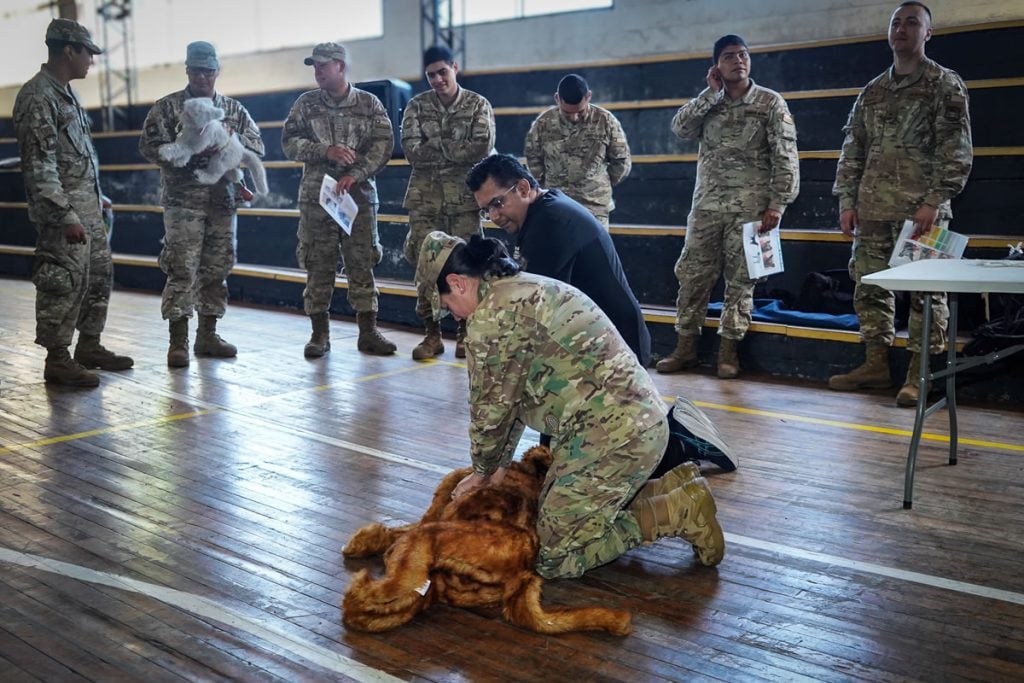
The session focused on a critical yet often overlooked aspect during emergencies: the management and rescue of domestic animals and wildlife that are injured or at risk during wildfires.
The course featured practical stations led by veterinarians and SAG professionals, who shared techniques on containment, first aid, referral criteria, and the health risks associated with handling animals in distress or with open wounds.
Ian Gorayeb, the regional director of Senapred Araucanía, explained that this initiative stems from the Disaster Risk Reduction Table, specifically addressing animal welfare, and responds to the need to prepare personnel who assist in fighting fires.
«This summer season is challenging and complex. The Army, through its brigades, encounters animals fleeing the flames, many in shock, and it is vital they have the tools to handle these situations safely,» Gorayeb stated.
From firsthand emergency experience, squad commander Josué Poblete emphasized the practical value of the training: «In wildfires, we come across affected wildlife and pets, and often lack the knowledge of how to act properly. This training provides us with tools we previously didn’t have.»
The officer also recalled his participation in the Santa Olga fire in 2017, one of the most devastating disasters in the last decade: «It was shocking to see what happened, particularly with the animals. Many horses and pets were affected. That experience leaves a mark and makes you understand that things can be done better if you’re prepared,» he emphasized.
Additionally, participating as a speaker during the training was veterinarian and academic from UC de Temuco, Romina González, who highlighted the importance of collaborative efforts.
«Wildfires aren’t faced from a single discipline. Creating multidisciplinary training spaces allows for preventive action and knowing how to respond when the fire is already in the territory. Today we are explaining the proper handling of injured, disoriented, or dehydrated animals during a fire,» pointed out the expert.
Finally, it was reported that this same training session was replicated at the Húsares de Angol detachment «to work collaboratively and ensure everyone has the same knowledge when responding to an emergency,» the UC de Temuco professional indicated.
El Ciudadano
