Original article: Fiscalía y PDI lograron la incautación más grande de medicamentos para venta ilegal en el país: 50 toneladas y se encontró hasta fentanilo
The Regional Prosecutor’s Office of Ñuble and the Investigative Police of Chillán have dismantled a criminal organization involved in the illegal and clandestine sale of medications, including controlled substances regulated under Law 20,000 such as tramadol, alprazolam, and clonazepam.
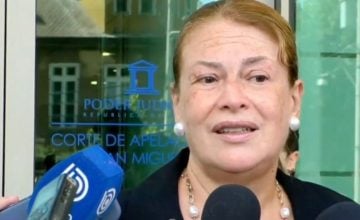
According to reports, the operation resulted in the arrest of 20 individuals who will face charges for crimes including criminal association, drug trafficking, and illegal trade. The Guarantee Court of Chillán has granted a five-month period for the investigations conducted by the Prosecutor’s Office and the PDI.
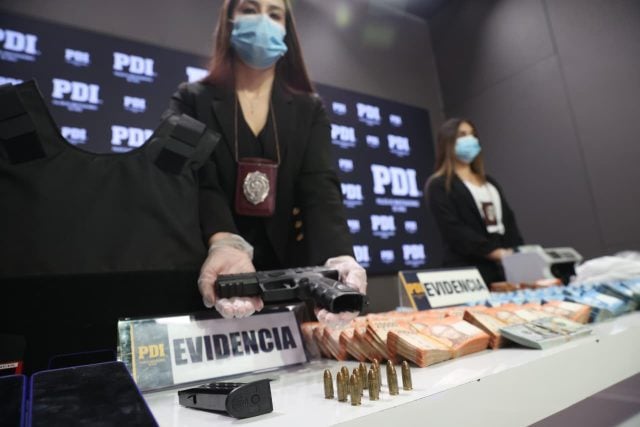
«This is the largest seizure of its kind in the country, involving 50 tons of these pharmaceutical products, along with 100 million pesos in cash and 13 vehicles,» states the report provided by the Public Prosecutor’s Office.
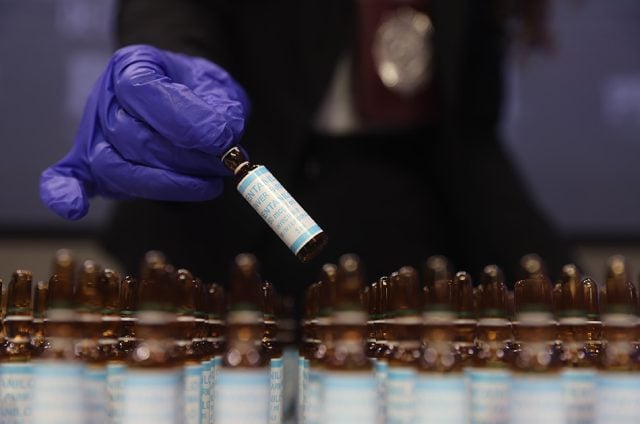
Regarding the arrests, it was detailed that they occurred in the Metropolitan, Ñuble, and Biobío regions, during an operation that deployed 150 PDI officers who raided 32 homes and warehouses. «In one of those properties, even 200 vials of fentanyl were seized,» added the prosecuting agency.
Identification of a Sales Point
The work of the Criminal Analysis and Investigative Focus Prosecutor’s Office of Ñuble and the Anti-Drug Brigade (Brianco) of the PDI in Chillán began in December 2024 with the identification of a sales point in the ‘La Pérgola’ area of the Central Market of Chillán.
«There, some of the accused sold medications to the public, while others warned about the presence of police or municipal inspectors, and others were involved in transporting drugs to storage points in anticipation of potential inspections,» explained the regional prosecutor’s office.
After thorough police surveillance, it was determined that the defendants selling directly to the public in Chillán took precautions against inspections, such as hiding the medications in a nearby shop or keeping them at a collection center and bringing them to market only when requested by buyers.
Regional Prosecutor Nayalet Mansilla Donoso emphasized that «the identification of that sales point allowed investigators to trace the criminal activity to identify both regional and national suppliers, who sent medications via courier from Santiago.»
«Thanks to monitoring intercepted cell phones and analyzing bank accounts, we identified more than one interconnected criminal structure engaged in this illegal business,» added Prosecutor Nayalet Mansilla.
Additionally, the PDI Regional Chief of Ñuble, Inspector Prefect Enrique Zamora Sáez, noted that it was confirmed that suppliers from Santiago not only supplied defendants in Ñuble but also those from other regions. Among the detained individuals were owners of pharmacies located in the municipalities of San Miguel, La Granja, Santiago, La Pintana, and Lo Espejo, some of which operated without authorization from the Public Health Institute.
Along similar investigative lines, Chief Prosecutor of Criminal Analysis and Investigative Focus in Ñuble, Rolando Canahuate Ronda, mentioned, «We were able to identify companies that, while maintaining a tax role and some authorized by the Public Health Institute, were acquiring medications directly from laboratories and selling these products to street vendors and other suppliers.»
Finally, the Head of the National Drug Control and Commerce Section at the Public Health Institute (ISP), Sebastián Riquelme Vilches, stressed that this represents the largest seizure of medications in the country, highlighting that it involves both controlled pharmaceuticals and non-controlled substances, whose illegal and clandestine sale poses a threat to public health as they are not prescribed by specialists.
El Ciudadano / Foto Portada: Referencial (archivo PDI)
Relacionados
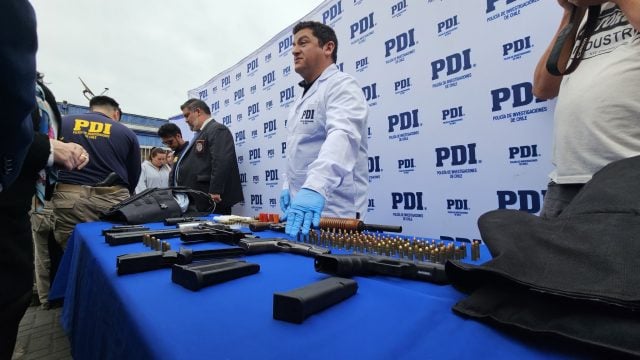
Criminal Network Dismantled for Trading Stolen Cars in Chile for Drugs, Weapons, and Cash
Hace 3 meses