Original article: “Cacerolas vacías” y estado de excepción: Bolivia extiende medidas extraordinarias mientras crece rechazo a reformas de Paz
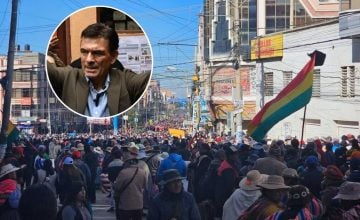
The Plurinational Legislative Assembly of Bolivia approved the extension of the state of exception for 90 days early Thursday morning, amidst rising political tensions and large-scale protests characterized by the slogan “empty pots”, which reject the economic reforms proposed by the government of Rodrigo Paz.
With this decision, which received 100 votes in favor out of 158 from present lawmakers, the exceptional measure imposed by the right-wing leader will remain in effect through the second week of December.
The extension was requested via Supreme Decree 5707, approved by the Executive on Monday, September 14, with the aim of maintaining the established restrictions during the state of exception, emphasizing that these measures are necessary to prevent the reactivation of destabilization efforts against the democratic system.
This original measure was first enacted on June 20 through Supreme Decree 5636 to counteract blockades and protests demanding Paz’s resignation in light of the social and economic crisis facing Bolivia, with its validity set to expire on Friday, September 18.
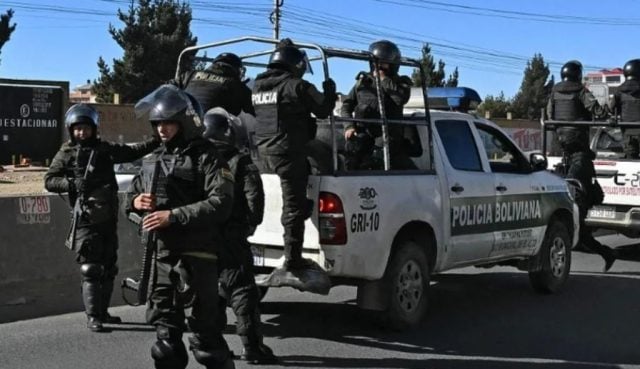
According to the extension, the restrictions outlined in the initial declaration remain in place, including provisions related to blockades, free movement, supply chains, and strategic infrastructure. It also allows for the implementation of additional measures through a joint resolution from the Ministries of Government and Defense, which could include a temporary suspension of the rights to freedom of movement, transit, and assembly.
Protests, Blockades, and «Empty Pots»
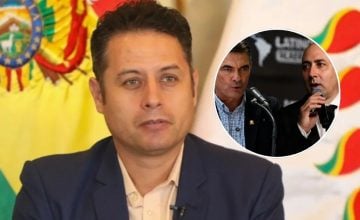
The approval of the extension followed presentations by the Defense and Government Ministers, Ernesto Justiniano and Marco Antonio Oviedo. The latter supported the request based on 12 official reports —8 from the General Command of the Bolivian Police, 2 from the Ministry of Government, 1 from the Armed Forces, and 1 from the Ministry of Defense— warning about ongoing risk factors present across the nine departments.
These analyses identified hotspots of conflict with significant mobilization capabilities in La Paz–El Alto (Senkata), Cochabamba–Trópico, and Santa Cruz (Puente San Pablo, San Julián, and Yapacaní), as well as in Potosí, Oruro, Tarija, Beni, and Chuquisaca.
Oviedo reported that alerts have been raised regarding the reactivation and coordination of blockades, marches, and strikes demanding Paz’s resignation.
According to TeleSUR, these new blockages are a result of protest calls made by educational sector unions, under the slogan “empty pots” aimed at rejecting the economic reforms of Rodrigo Paz’s government.
The executive secretary of the urban teachers in La Paz, Anahí Bozo, denounced that these measures, which include a flexible exchange rate and a gradual reduction of fuel subsidies, “have negatively affected” Bolivian families, diminishing their purchasing power.
Obtén tu Pasaporte y apoya a El Ciudadano
Elimina la publicidad, accede a contenido exclusivo y sé parte de la comunidad.
Cancela en cualquier momento · Sin permanencia
Artículos Relacionados
Rodrigo Paz Faces Political Backlash: Lawmaker Proposes Referendum Amid Popular Uprising in Bolivia
Hace 4 meses