Original article: Boric por el cable chino: “Chile no aceptará amenazas” y deja la decisión en manos de Kast
Boric on the Chinese Cable: «Chile Will Not Bow to Threats» as Decision Passes to Kast
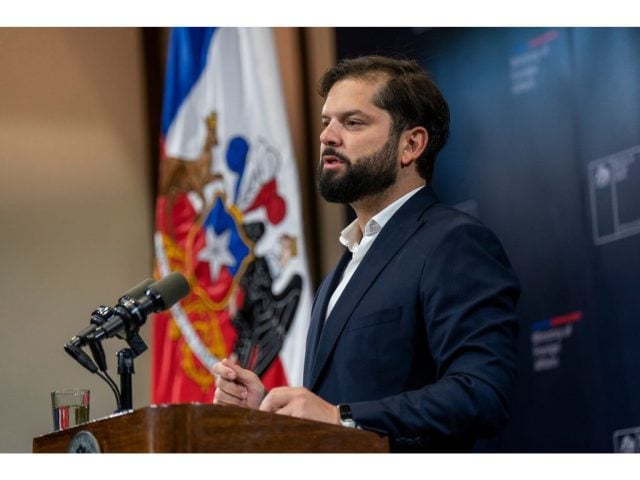
The controversy over the so-called «Chinese cable» has escalated from a technical issue to a political showdown. President Gabriel Boric has stepped in with a statement that aims to clarify procedures while establishing a clear boundary against external pressures.
In his announcement, Boric emphasized that the submarine cable project «proposed by a company of Chinese origin» remains under evaluation «following the current institutional framework». He added that he instructed sector authorities to gather information «to make an informed decision» but highlighted a crucial point: this decision «exceeds the timelines of our mandate» and will need to be «continued or dismissed by the next authorities».
The emphasis was not accidental. In the same statement, Boric contended that his government acts «in the best interest of Chile and its people», advocating for technological neutrality and multilateralism as cornerstones of foreign policy. He concluded with a defining remark: «it is my duty to ensure that the right to make our own decisions as a sovereign nation is undermined under no circumstances by any threats whatsoever».
El proyecto de cable submarino presentado por una empresa de origen chino está en evaluación siguiendo la institucionalidad que nuestro país tiene ante iniciativas de estas características. Durante el proceso he instruido a todas las autoridades sectoriales recabar los…
— Gabriel Boric Font (@GabrielBoric) February 24, 2026
Hong Kong–Valparaíso Cable and Digital Sovereignty
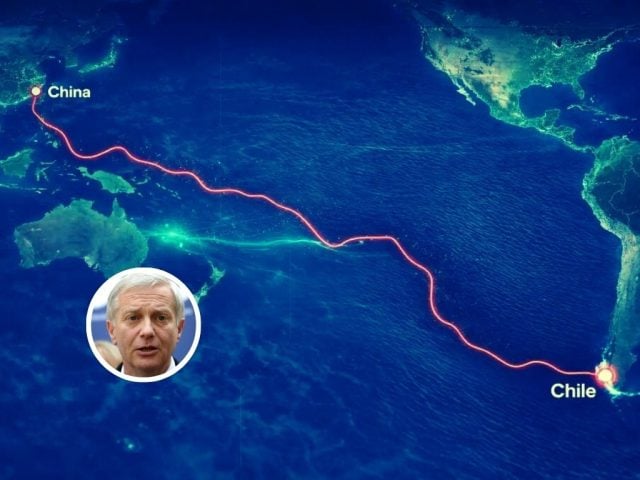
The conflict centers around the Hong Kong–Valparaíso cable, an underwater fiber optic initiative intended to connect Chile with Asia. Beyond the infrastructure itself, the debate raises a broader question: who defines the routes through which the country’s data circulates and under what conditions. This touches fundamentally on digital sovereignty.
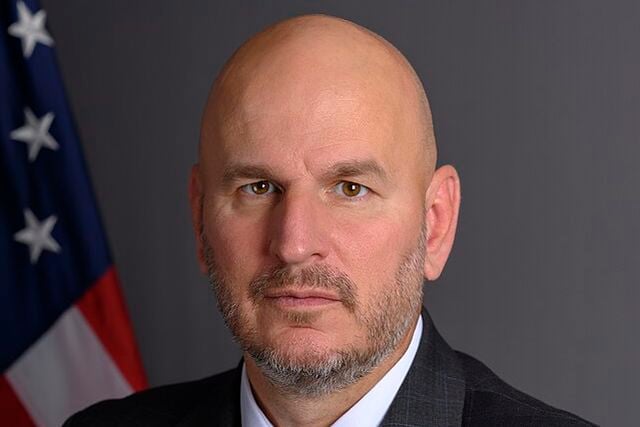
The controversy erupted after the United States imposed sanctions on three Chilean officials involved in the project’s evaluation. Additionally, statements from U.S. ambassador Judd Brandon were perceived in Chile as part of a strategy to exert pressure. Meanwhile, the foreign ministry maintained that the project must be evaluated on its own merits and rejected «unilateral threats or sanctions» as methods of influencing sovereign decisions.

The Humboldt Background and the Test Kast Inherits
This episode in Santiago does not exist in a vacuum. It recalls the previously named Humboldt Cable: a project that, as noted in public discussions, was initially linked to Huawei but ultimately shifted toward Google after political pressure from Washington during Sebastián Piñera’s presidency. Furthermore, the cable has yet to be constructed.
Thus, Boric’s tweet responds not just to the immediate situation but also sets the stage for what is to come. The decision will fall to incoming President José Kast, who assumes office on March 11. He faces a fundamental dilemma right from the start: to uphold a sovereign evaluation of the Hong Kong–Valparaíso cable with Chilean regulations, or to yield to the implications of sanctions as a precedent.
In other words, Boric has taken a stance and drawn a red line. The next government will have to determine whether digital sovereignty is defended through institutional means… or negotiated under pressure.
Relacionados
Washington Oversteps: U.S. Sanctions on Chinese Cable Ignite Digital Sovereignty Dispute and Corner Kast
Hace 18 horas