Original article: Bukele impone cadena perpetua para adolescentes de 12 años en El Salvador
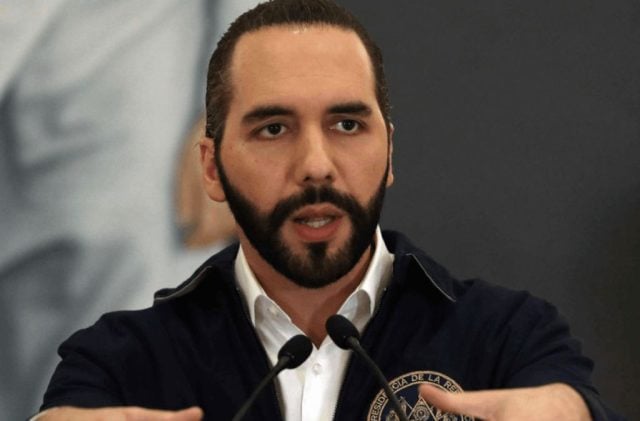
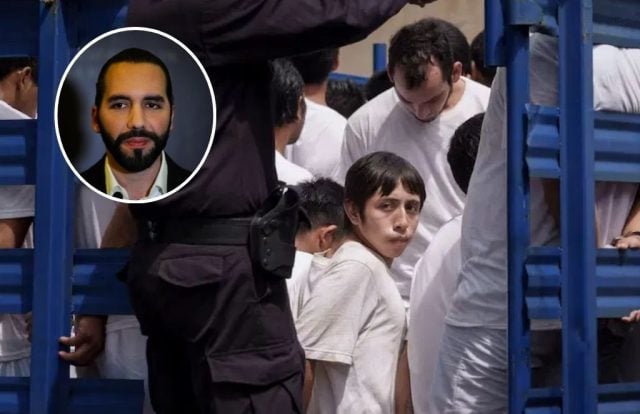
The President of El Salvador, Nayib Bukele, has enacted legal reforms that allow for life sentences to be imposed on adolescents starting from the age of 12.
According to a publication in the Official Gazette, the Legislative Assembly—controlled by Bukele’s far-right party—has amended the Constitution and the Juvenile Criminal Law to apply life imprisonment for convictions related to homicide, femicide, rape, and membership in organized crime (gangs).
This measure is part of the tightening security policies enacted by Bukele, which establishes that effective April 26, the existing restorative justice system will be dismantled and juvenile courts will be transformed into criminal tribunals aimed at processing adolescents under the same punitive principles as adults.
According to the amendments, life sentences will apply to both perpetrators and accomplices. To impose the maximum penalty, criminal judges—previously known as juvenile judges—will conduct mandatory reviews of the conviction in cases where the defendant is a minor, whether they have committed one or multiple offenses, or if aggravating factors are present.
Based on this review, they will determine if a regime of limited freedom under strict conditions can be established.
The text of the constitutional reform approved states that reviews for all inmates sentenced to life must occur every five years. Youths serving life sentences can request this process upon reaching 25 years in prison; adults after 30 years; those convicted of multiple offenses from 35 years; and those with aggravating factors from 40 years.
Prior to the amendment, the maximum sentence for minors aged 12 to 16 was 10 years, and for those 16 and older, it ranged from 15 to 20 years.
The reform extends beyond the penal sphere for minors, including changes to the Penal Code, the «Special Law Against Acts of Terrorism,» and the Organic Judicial Law.
Life Imprisonment for Youths Justified Under the «State of Exception»
El Salvador’s Minister of Security, Gustavo Villatoro, defended the controversial measure implemented by Bukele’s administration against adolescents, arguing it is part of the constitutional reform imposing «life imprisonment for murderers, rapists, and terrorists».
«We are proposing to extend this sentencing to youths, just as we are treating minors involved in terrorist organizations,” he stated, as reported by Perfil.
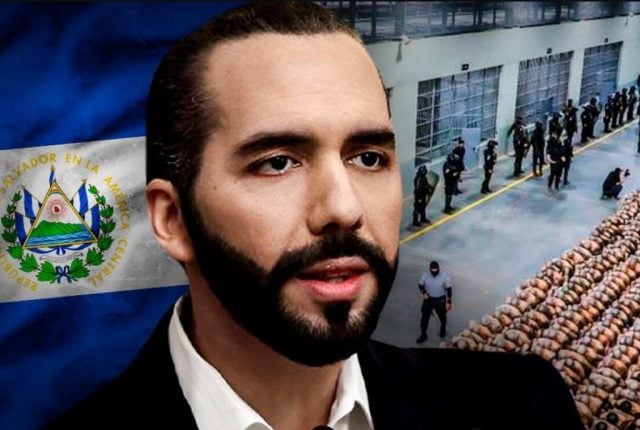
The sanction from the constitutional reform coincides with other modifications made to El Salvador’s Constitution under the so-called «war against gangs» that Bukele announced after declaring a state of emergency in March 2022, which has been renewed over 40 times by the Legislative Assembly, restricting rights and freedoms and raising questions about the ongoing validity of constitutional guarantees.
As a result of this measure, over 90,000 people have been detained, while humanitarian organizations have reported that at least 500 of those detained have died in state custody.
UNICEF and UN Accuse Bukele of Violating Children’s Rights
Upon learning of the implementation of life sentences for adolescents in El Salvador, international agencies such as the Committee on the Rights of the Child and UNICEF expressed their «deep concern», reminding that international standards require deprivation of liberty for minors to be a «last resort» and focused on their «rehabilitation.»
They indicated that the reform is contrary to the «enshrined principles» in the Convention of which El Salvador is a signatory, and warned that detention is «harmful to adolescents» and «highly costly and ineffective for preventing crime,» according to DW.
Similarly, from the office of the UN High Commissioner for Human Rights (OHCHR), they urged the Salvadoran Government to «promptly review» these changes as they consider them to violate children’s rights.
«We urge the authorities in El Salvador to swiftly reconsider the concerning constitutional and legal changes (…) that provide for life imprisonment for children starting at the age of 12, contrary to international human rights standards,» stated Marta Hurtado, OHCHR spokesperson, in a statement.
In response to these warnings, Bukele argued that similar recommendations from the same organization had resulted in gangs recruiting young people under laws that effectively granted impunity for crimes committed by those under 18.
As institutions and organizations raise alarms about the growing authoritarianism, repression, and human rights violations in El Salvador—a country with the highest incarceration rate in the world—the far-right president continues with his so-called «hardline» policies, now imposing perpetual punishment on adolescents.
Obtén tu Pasaporte y apoya a El Ciudadano
Elimina la publicidad, accede a contenido exclusivo y sé parte de la comunidad.
Cancela en cualquier momento · Sin permanencia