Original article: Cifras que se silencian: En Chile hay más de 2 millones de personas pertenecientes a un pueblo originario según censo
Census 2024: Over 2.1 Million People Identify as Indigenous, with the Mapuche Comprising 77% of the Total
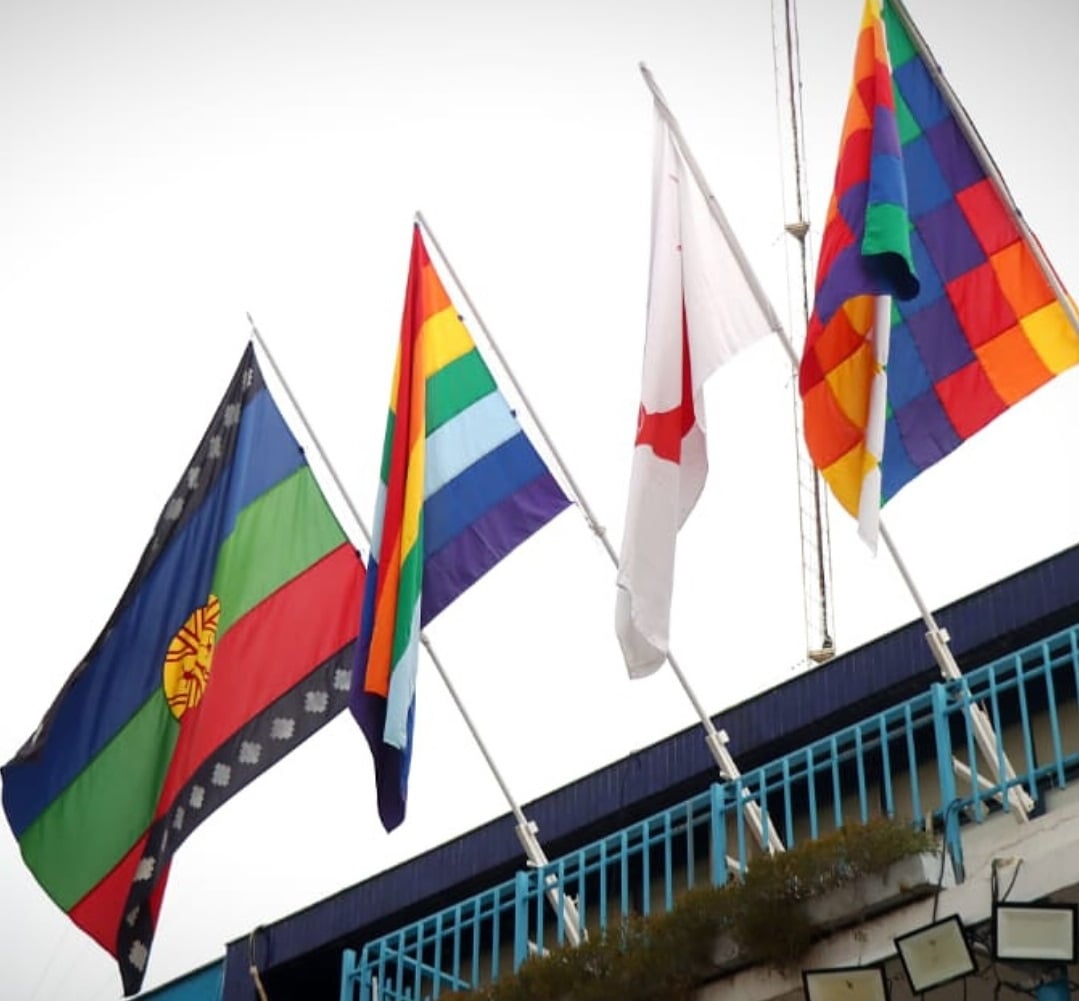
The Census 2024 has revealed that 2,105,863 individuals in Chile identify as belonging to an indigenous or native people, representing 11.5% of the total surveyed population. Among this group, 11.4% are men (1,013,014) and 11.6% are women (1,092,849). This figure indicates a decline from the 2017 Census, which reported a proportion of 12.8% (2,185,792 individuals), according to data from the National Institute of Statistics (INE).
Regarding the age distribution, the Census 2024 indicates a predominantly young-adult indigenous population. 20.3% are aged between 0 and 14 years, 23.8% between 15 and 29 years, 21.9% between 30 and 44 years, 23.1% between 45 and 64 years, and 10.9% are aged 65 or older, demonstrating a diverse demographic structure across all life stages.
📊 Age Distribution of the Indigenous Population – Census 2024
| Age Group | Percentage |
| 0 to 14 years | 20.3% |
| 15 to 29 years | 23.8% |
| 30 to 44 years | 21.9% |
| 45 to 64 years | 23.1% |
| 65 years or older | 10.9% |
From a geographic perspective, the regions with the highest proportion of indigenous population are Arica and Parinacota (36.2%), La Araucanía (34.5%), and Aysén (29.2%), confirming a significant presence in both the extreme north and the southernmost parts of the country, alongside the historical significance of Wallmapu in the southern macrozone.
When it comes to specific indigenous affiliations, the Mapuche people represent 77.16% of the indigenous population in the country, totaling 1,623,073 individuals (8.8% of the national total), followed by the Aymara (178,637; 1%) and the Diaguita (153,231; 0.8%). Other groups include Quechua, Lickanantay, Colla, Chango, Rapa Nui, Kawésqar, Selk’nam, and Yagán. Notably, 88.5% of the total population of the country report not identifying with any indigenous people.
📊 Population by Indigenous or Native People – Census 2024
| People | Number of Individuals |
| Mapuche | 1,623,073 |
| Aymara | 178,637 |
| Diaguita | 153,231 |
| Quechua | 46,569 |
| Atacameño or Lickanantay | 36,221 |
| Colla | 21,913 |
| Chango | 11,795 |
| Rapa Nui | 6,659 |
| Kawésqar | 2,153 |
| Selk’nam | 1,392 |
| Yagán | 1,244 |
| Other People | 20,631 |
| Total Indigenous Population | 2,105,863 |
Finally, the Census 2024 affirms a national distribution of the Mapuche population, showcasing a high urban concentration. The Metropolitan Region of Santiago leads with 491,213 Mapuche individuals, followed by La Araucanía (344,445), Los Lagos (232,855), and Biobío (146,302), reflecting sustained trends of migration, urbanization, and historical territorial permanence.
📊 Regions with the Highest Mapuche Population – Census 2024
| Region | Mapuche Individuals |
| Metropolitan Region of Santiago | 491,213 |
| La Araucanía | 344,445 |
| Los Lagos | 232,855 |
| Biobío | 146,302 |
Relacionados
Indigenous Craftsmanship Seal: 12 Works from Aymara, Mapuche, and Rapa Nui Artisans Recognized in Chile
Hace 2 meses
Cifras que se silencian: En Chile hay más de 2 millones de personas pertenecientes a un pueblo originario según censo
Hace 2 meses
Children of Berta Cáceres and Julia Chuñil Unite Their Voices at the People’s Summit: Demand Justice for Defenders
Hace 3 meses
Danko Mariman: "Some Leaders Call This Phenomenon a Second Pacification of Araucanía"
Hace 3 semanas