Original article: Central Obrera tras abrogación del «decreto maldito» 5503: «Aquí ganó Bolivia»
Central Obrera Celebrates Repeal of Controversial Decree 5503: «Bolivia Emerges Victorious»
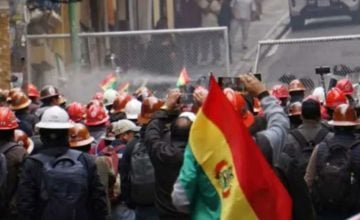
Following a month of intense protests, mobilizations, and blockades, Bolivia’s President Rodrigo Paz announced the repeal of the controversial Supreme Decree 5503 this Sunday.
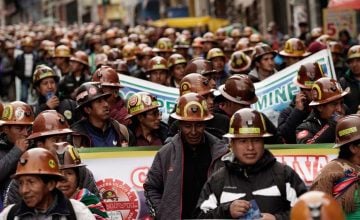
This decision came as a result of pressure from unions and social movements against the measure, which has been dubbed the «cursed decree» that ignited a social crisis and drew opposition from parliament, transporters, community councils, miners, farmers, unions, and popular organizations.
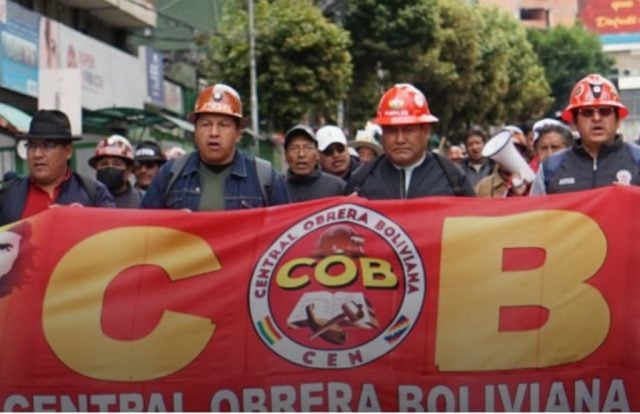
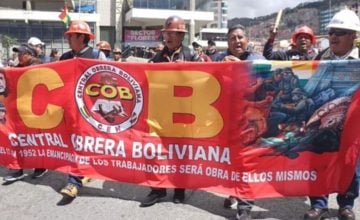
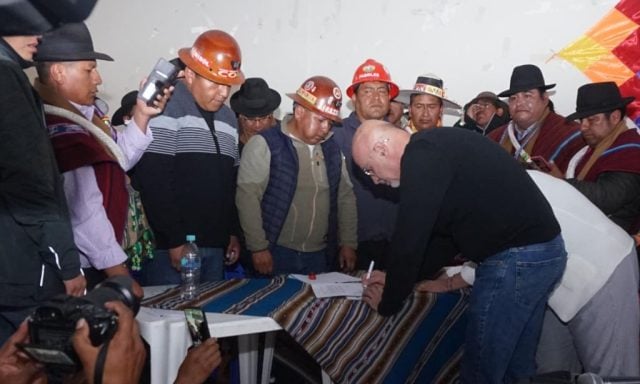
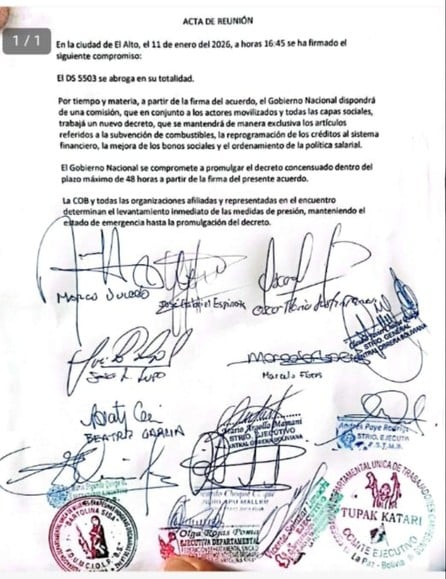
“We believe that the unity of the Bolivian people has led to this outcome; this is not a loss for the ministers or a victory for the leaders, this is a victory for Bolivia,” expressed Mario Argollo, Executive Secretary of the Central Obrera Boliviana (COB), following the signing of the agreement between six state ministers and social organization leaders regarding Supreme Decree 5503.
Will Rodrigo Paz’s Government Maintain the Fuel Price Hike?
The agreement was signed during a meeting in the city of El Alto, where COB leaders and peasant federation representatives gathered with six state ministers, including: José Luis Lupo, President; Gabriel Espinoza, Economy; Marco Antonio Oviedo, Government; Óscar Mario Justiniano, Productive Development; Beatriz García, Education; and Tatiana Flores, Health. The outcome was the signing of an agreement that repeals DS 5503 while preserving its economic core.
Oviedo outlined the terms of the agreement, stating that other economic measures would remain in effect, such as the lifting of state subsidies on hydrocarbons, an increase in the national minimum wage to 3,300 bolivianos, and the continuation of social bonuses. The Executive requested a 24-hour timeframe to enact a new decree to replace DS 5503.
“We are maintaining the economic part of the decree; we are annulling the rest, and we will work on a new decree together with social organizations,” he affirmed.
To prevent any «legal void,» Economy Minister José Gabriel Espinoza explained the mechanism to follow.
“We need to annul what is unwanted and transfer what is accepted to another decree,” he stated, adding that parallel decrees would be created to keep articles related to bonuses, wages, and fuels in effect.
It is important to note that the controversial DS 5503 is referred to as the «fuel price hike» because it included the elimination of fuel subsidies, leading to an immediate increase in gasoline and diesel prices by 86% and 163%, respectively. This triggered widespread discontent among unions, with Bolivian workers accusing Paz’s government of implementing «economic austerity» while facilitating the exploitation of natural resources.
The «Fight Was Not in Vain»
Mario Argollo emphasized that the achieved agreement is a result of the exercise of union democracy, which allowed for the participation of all COB-affiliated organizations in the dialogue with the government during a meeting at the Tupac Katari Federation in El Alto.
“Your struggle has not been in vain, and it has borne fruit,” he added, highlighting the power of unity: “When we stand united, no one can subdue us.”
Argollo described the day as a
Relacionados
Bolivia on Edge: Workers' Union Launches Road Blockades Against Controversial Fuel Decree
Hace 2 meses
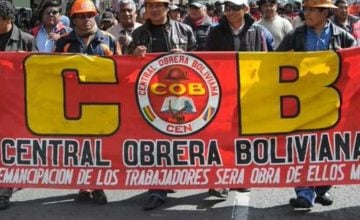
Bolivia's Major Labor Union Implements Blockade at Government Headquarters in Protest Against Fuel Subsidy Cuts
Hace 2 meses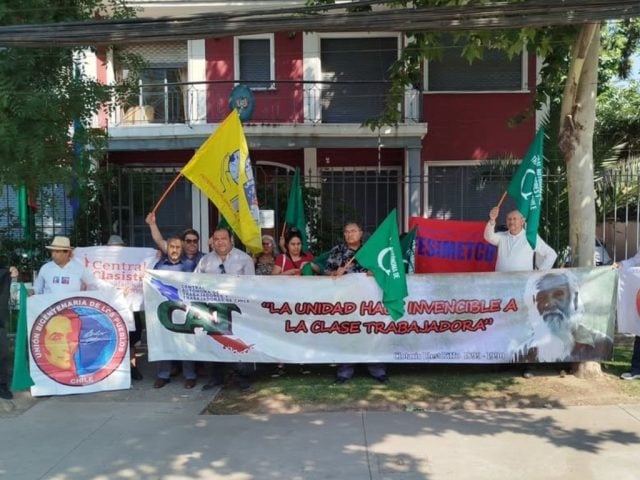
Chilean Organizations Support General Strike in Bolivia Against Supreme Decree No. 5503
Hace 2 meses
Bolivia's Fuel Subsidy Removal Sparks Protests: President Rodrigo Paz Faces Calls to Resign
Hace 2 meses