Original article: La economía no prende ni con bencina: Imacec apenas crece 0,2% interanual en septiembre y minería se desploma 12,1%
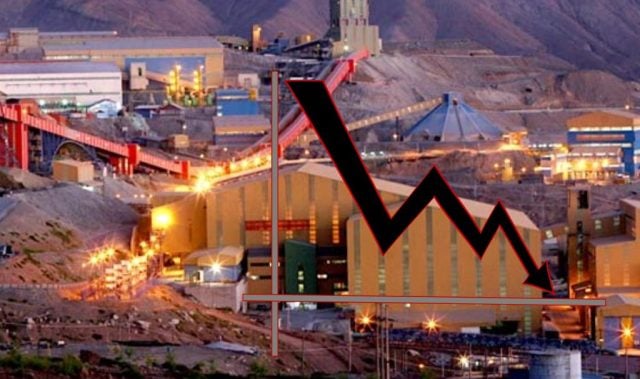
The Chilean economy shows little sign of growth, as indicated by the Monthly Index of Economic Activity (Imacec) for September 2026, which reported a meager 0.2% increase compared to the same month last year. This growth is overshadowed by a 12.1% drop in mining, according to preliminary data released by the Central Bank of Chile.
This index serves as an estimate summarizing the activity across various economic sectors for a given month at last year’s prices; its year-on-year variance provides a close approximation of GDP trends, covering approximately 90% of the goods and services that constitute it.
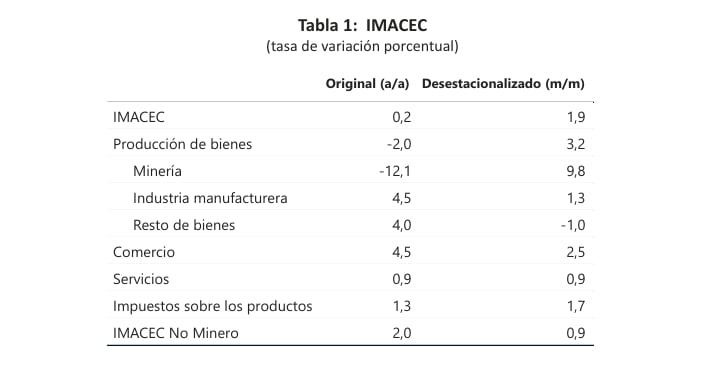
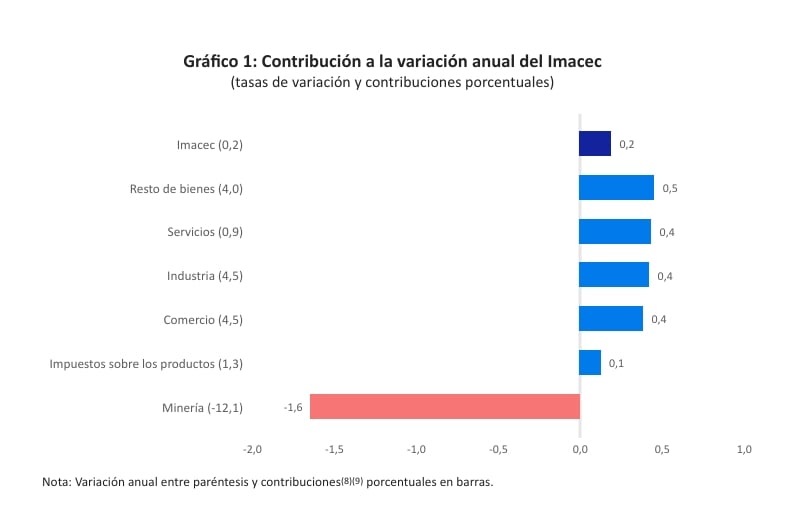
According to the Central Bank, the adjusted series of the index showed a 1.9% increase compared to the previous month, though it decreased by 0.9% year-on-year. September also had one additional working day compared to September 2025, which impacts the annual comparison.
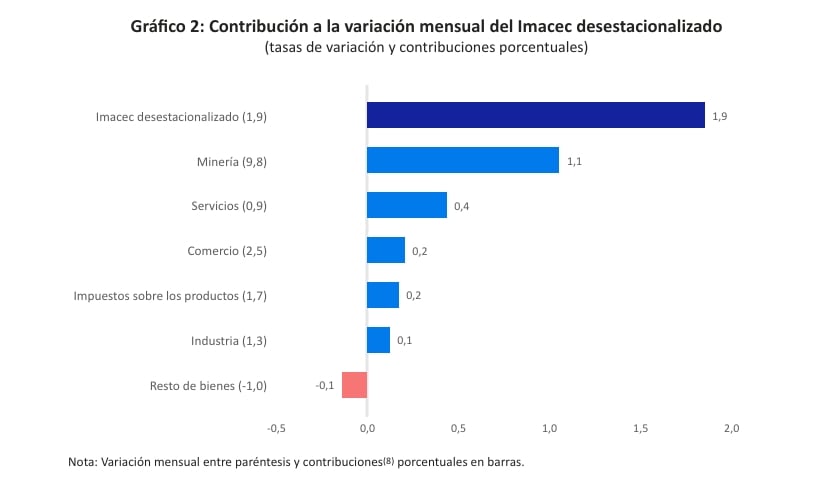
The overall result reflects the growth in the non-mining component, which saw a 2.0% increase, offset by the decline in mining. Ironically, this last sector made the largest contribution to the growth of the seasonally adjusted Imacec.
The seasonally adjusted non-mining Imacec grew by 0.9% compared to the previous month and by 0.8% year-on-year.
Decline in Goods Production
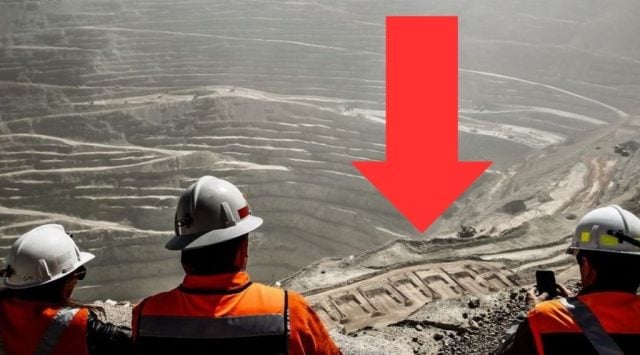
Breaking down the activities, goods production fell by 2.0% year-on-year, driven primarily by a 12.1% decrease in mining. This critical sector for the national economy experienced a drop in copper extraction, influenced by lower ore grades and a temporary suspension of operations.
In contrast, the rest of the goods grew by 4.0%, thanks to the added value of electric generation, which increased due to better water availability. The fishing sector also contributed, albeit to a lesser extent.
The manufacturing industry recorded a 4.5% increase, driven by higher production of fishing products and the manufacturing of metal products, machinery, and equipment.
On a seasonally adjusted basis, goods production increased by 3.2% compared to the previous month, primarily due to mining, which faced challenges from maintenance and adverse weather conditions in August.
Commerce and Services Outcomes
In terms of commerce, this sector reported a 4.5% growth year-on-year, driven by strong performance across all its segments. Wholesale trade benefitted from increased sales in food and household goods, while retail trade saw notable sales in grocery stores, apparel and footwear shops, and online sales platforms.
The automotive sector also saw growth due to increased maintenance services.
Compared to the previous month, the seasonally adjusted figures rose by 2.5%, with wholesale trade leading, followed closely by retail.
Meanwhile, the services sector experienced an annual increase of 0.9%, primarily driven by personal services (especially in health) and, to a lesser extent, transportation. On a seasonally adjusted basis, the sector grew by 0.9% month-on-month, supported by growth in transportation and business services.
Finally, the Central Bank announced that, as per the schedule for releasing National Accounts data, preliminary results for the GDP of the third quarter and revisions for the first and second quarters will be announced on Wednesday, November 18.
Obtén tu Pasaporte y apoya a El Ciudadano
Elimina la publicidad, accede a contenido exclusivo y sé parte de la comunidad.
Cancela en cualquier momento · Sin permanencia