Original article: «Ley Antibarricadas 2.0 tiene un objetivo oscuro y autoritario» advierte diputada Sofía González
Chilean Law Targets Blockades, Sparks Concerns Over Civil Liberties, Says Deputy Sofía González
On Wednesday, September 23, the Chamber of Deputies approved a bill that amends the Penal Code to penalize blockades, establishing fines ranging from 10 to 20 UTM (approximately $718,000 to $1,435,000) for those who do not comply with requests from authorities to cease such actions.
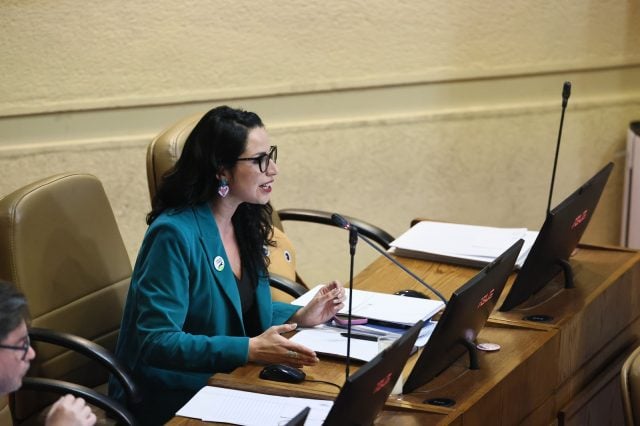
Specifically, the initiative broadens the scope of the offense regarding «disruption or obstruction of free movement and the operation of transport services.» While the goal may seem reasonable, Deputy Sofía González (PC) argues that it has a «dark and authoritarian» aim.
«Nobody can defend obstructing an ambulance or endangering public transport users. Such actions must have consequences. However, this project has a different aim—one that is dark and authoritarian. It seeks to allow punishment for partially obstructing traffic, even without resorting to violence, simply for failing to comply with an authority’s request,» the legislator argued.
González further remarked, «Moreover, the lack of authorization could lead to criminalizing protests. Consider this: workers demonstrating outside their workplace, neighbors blocking streets due to weeks without water or electricity, families protesting for housing or health care that is not provided. Should these individuals be criminalized? I don’t think so,» emphasized the PC parliamentarian.
For González, «a protest might momentarily disrupt traffic, causing inconvenience or discomfort, but that does not automatically make it a violent act or turn participants into criminals.»
Worrisome Political Signal
The deputy from Valparaíso expressed concern, though not surprise, at the political signal from President Kast’s government, which «conveniently insists on confusing public order with public security.»
«While citizens await a response to organized crime, drug trafficking, and neighborhoods overtaken by crime, President Kast’s government proposes to limit their freedom, limiting their legitimate right to express discontent. It’s ironic, the government that claims to promote freedom,» González commented.
The parliamentarian finally warned that «democracy weakens when those in power view social protest as a threat that must be punished, using our institutions to silence dissenting voices. We already know that story. Something like that will never have my support.»
«If we are to progress in this discussion, the peaceful exercise of the rights to assembly and expression—and true freedom—must be explicitly protected, as long as there is no violence or serious danger to others,» Sofía González stressed.
We will continue to provide updates.
Obtén tu Pasaporte y apoya a El Ciudadano
Elimina la publicidad, accede a contenido exclusivo y sé parte de la comunidad.
Cancela en cualquier momento · Sin permanencia