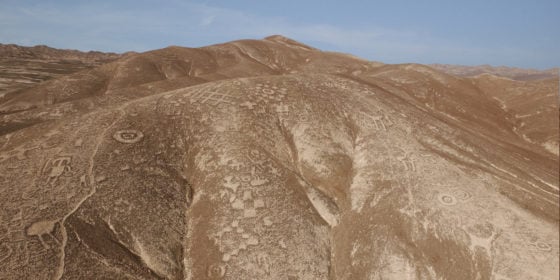
Original article: Investigadores chilenos lanzan pionera plataforma interactiva dedicada a los geoglifos de la Región de Antofagasta
Starting in October 2026, anyone in the world will be able to virtually visit the geoglyphs of the Atacama Desert.
This immersive virtual journey, rich in information and visuals, is made possible by the project geoglifos.cl, spearheaded by experts from the Atacama Desert Foundation and funded by the Regional Government of Antofagasta’s Community Engagement Contest.
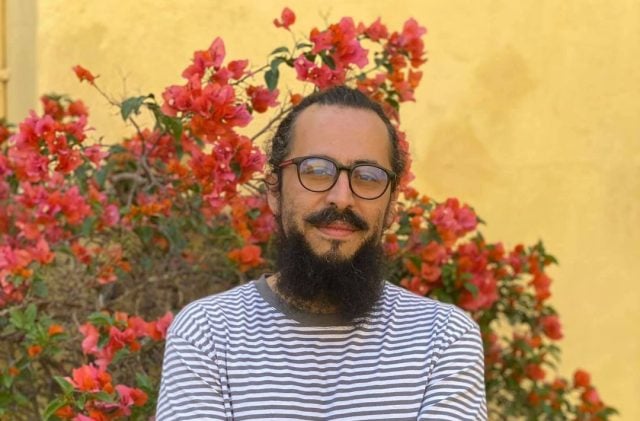
As Juan Gili, a member of the initiative’s team, states, the website aims to «bring this heritage closer to people in Chile and around the world, bringing together various digital tools that allow us to document and visualize the geoglyphs.»
«Many of these sites are located in very remote areas of the desert, making this an effective way to make them accessible without requiring physical visits,» the researcher added.
This outreach effort was developed by an interdisciplinary team of designers, programmers, audiovisual specialists, photographers, and archaeologists, who aimed to provide an immersive experience through photos, videos, and 3D images.
According to Gili, the website is characterized by integrating «different forms of documentation and representation—photography, video, 3D models, and specialized information—to create an interactive experience of the sites.»
«The platform allows users to learn about key attributes without revealing their exact locations, seeking to balance the dissemination of this heritage with the need to protect particularly fragile archaeological sites,» highlights the expert.
Available Sites
Geoglyphs are a form of rock art where the earth’s surface is used to create large, recognizable figures.
Such expressions are found in only a few places worldwide—like Peru, England, the United States, and Australia—while northern Chile’s desert hosts a large number of these testimonies.
«Their widespread distribution indicates a remarkable territorial continuity, showcasing a tradition that engaged various societies over multiple eras. They were constructed during long desert journeys, intended to be seen by other travelers along those routes,» explain experts from the Atacama Desert Foundation.
Thus, some of the geoglyphs that the public can explore through this educational portal include sites from the Chug-Chug Archaeological Park, Talabre, La Encañada, Cerro Posada, Los Balseros, and El Toco, among others.
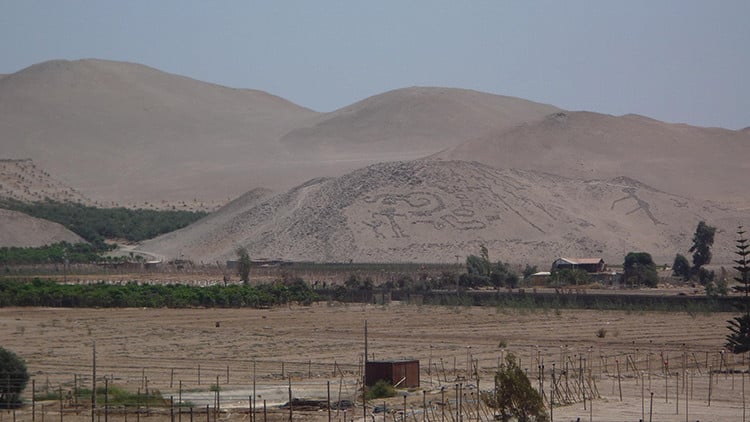
With a local perspective but aiming for national and international outreach, this initiative responds to the need for virtual channels to disseminate information about heritage of interest, such as geoglyphs and their protection.
This is particularly pertinent considering recent scientific evidence regarding their lack of protection and vulnerability, which includes poorly applied restorative actions.
For Mariana Ugarte, an archaeologist with the Foundation, outreach, education, and preservation go hand in hand.
«In addition to a visual showcase, the platform features various educational tools. Through technical fact sheets and infographics, visitors can learn what a geoglyph is, the construction techniques used, the types of motifs represented, and how to observe them without causing damage,» detailed the professional.
«This is extremely important to us, as it is urgent for our Foundation to promote knowledge of the geoglyphs—especially among the younger generations—laying the groundwork for their care and preservation,» emphasized the archaeologist, reiterating that «geoglyphs are not just figures in the landscape; they carry ancestral memory that the territory holds, and we must be their custodians, not their destroyers.»
Obtén tu Pasaporte y apoya a El Ciudadano
Elimina la publicidad, accede a contenido exclusivo y sé parte de la comunidad.
Cancela en cualquier momento · Sin permanencia