Original article: Profesor de escuela rural chilena alcanza reconocimiento global
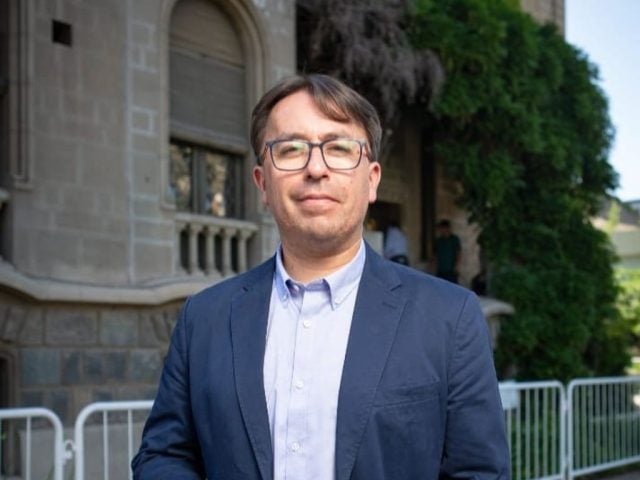
A teacher from the Multigrade Basic School of Cabildo, Patricio Vilches Guerrero, has made history for education in Chile by being selected as one of the 50 finalists for the GEMS Education Global Teacher Prize 2026.
This initiative, launched by the Varkey Foundation in collaboration with UNESCO, reviewed over 5,000 nominations from 139 countries and selected Vilches—recently awarded the Global Teacher Prize Chile—as the sole representative from Chile.
Considered the most prestigious global recognition in the teaching field, this award highlights the significant contributions of outstanding educators and their impact on society.
In a conversation with El Observador, Vilches remarked, «It was a surprise to be among the top 50. Although I knew I had passed several stages, having participated in interviews and submitted documents, it was still not certain.»
Patricio Vilches Guerrero teaches at the G-47 Multigrade Basic School «El Guayacán,» a rural school located in the hills of the pre-Andean region of Cabildo.
Known as the «profe solito,» Patricio was the first in his family to pursue higher education. Driven by his goal for more children to use education as a tool to overcome poverty and social exclusion.
Furthermore, Vilches has developed a system called the «Spiral Model» to simultaneously teach six levels of basic education in response to an educational model that lacks a formal curriculum for working with students of varying levels in the same classroom and operates with limited resources.
But the “profe solito” didn’t stop there; in addition to his Spiral Model, he designed his own materials based on a Colombian reading method, which includes more than a hundred sets of contextualized cards and a book with a thousand statements.
This pedagogical work has resulted in sustained improvements in reading, as well as recognitions for inclusion, with the school currently accredited as a «Reading School.»
Patricio Vilches’ recognition not only highlights an individual journey but also underscores the teaching efforts developed in rural contexts with limited resources. His experience shows that pedagogical innovation also arises far from major urban centers. In a system marked by structural gaps, his story raises questions about the support these schools receive and sends a clear message: educational quality is also built from the local level.
Relacionados
Educating for Transformation: A Comprehensive Roadmap Addressing the Historic Challenges of Public Education
Hace 3 meses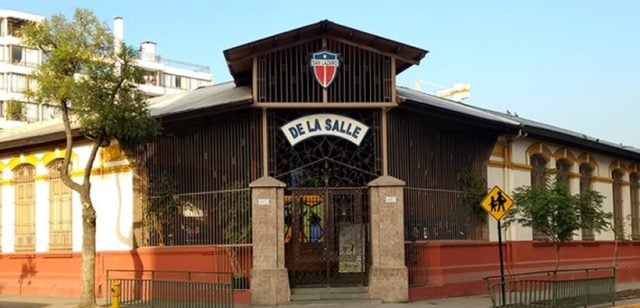
Santiago Court Rules Against Christian Brothers Congregation for Mistreatment of Transgender Student
Hace 3 semanas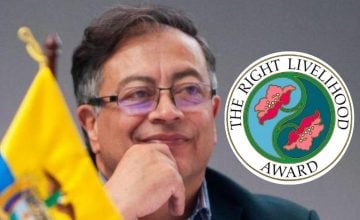
Gustavo Petro Nominated for 2026 "Alternative Nobel" for Contributions to Social Justice and Human Rights
Hace 2 meses
Chilean Astronomer Teresa Paneque Awarded Prestigious 'Oscar' of Science Communication in Washington
Hace 3 meses