Original article: Colombia al rojo: Petro denuncia “delito contra el voto” y exige revisar 122 mil actas electorales
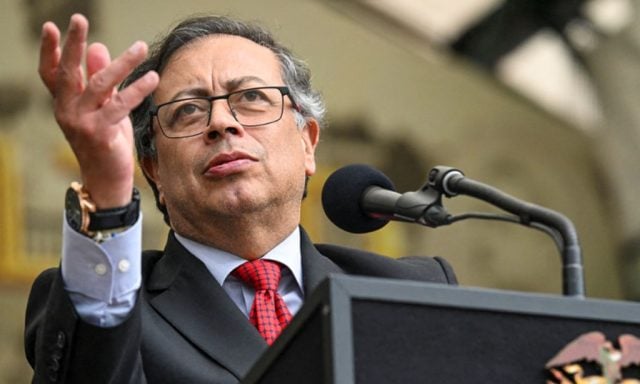
The results of the runoff election in Colombia are fraught with controversy due to a lack of electoral transparency, as the nation’s president claimed that a «crime against the vote» is occurring and called for the review of 122,000 ballot tally sheets due to irregularities.
The situation in the second round of voting is open and marked by a narrow margin in preliminary counts between Pacto Histórico candidate Iván Cepeda and far-right contender Abelardo de la Espriella. However, these figures are for informational purposes only, as the outcome will depend on the official count — the legal and definitive tally of the votes.
According to the National Electoral Council (CNE), this process is based on the E-14 Forms submitted by polling station officials, executed by counting commissions, all under the supervision of electoral authorities and observers from various political groups.
Allegations of Tally Sheet Manipulation
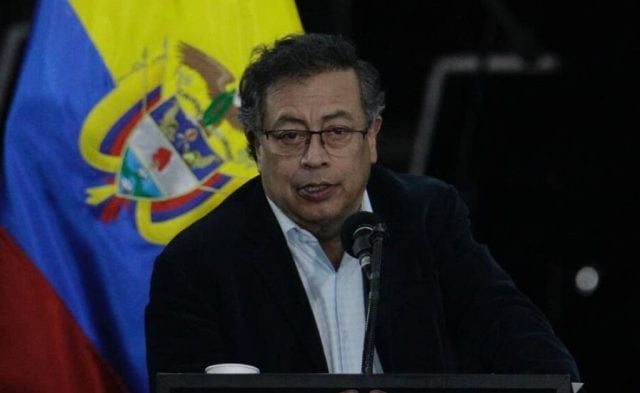
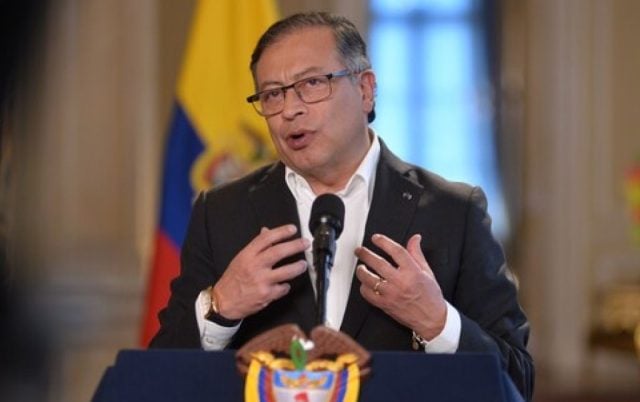
However, the Colombian president accused electoral authorities of lacking clarity in the counting process and of having altered many of these forms.
In a post shared on social media platform X, Petro warned of signs that these tally sheets prepared by the officials were fraudulently manipulated. He recalled that before the first round, he requested a «technical audit of the software» from the authorities, and leading up to the second round, he asked for the digital fingerprint of these documents to ensure they could not be altered, «just as it happened in my election.»
He described how these requests were not only ignored by registrar Hernán Penagos and attorney general Gregorio Eljach, but they were also met with personal attacks, branding him as “crazy and anti-democratic.” “As if electoral transparency were a matter for violent individuals seeking to set the country on fire,” he pointed out.
“The real threat is the lack of electoral transparency,” he stated, asserting that a significant number of the E14 forms were «changed after submission and, contrary to what the registrar claimed, the time stamp and hash lock from the algorithms were removed.”
“This is a criminal matter, a crime against the vote,” warned the progressive leader, who backed his claims with a video that he maintains shows these “premeditated” modifications carried out “from the offices of the Bautista brothers,” referencing the company Thomas Greg & Sons, which handles logistical tasks surrounding the presidential elections in Colombia.
“They thought we were foolish and forgot that we are the 21st-century citizens, not from the 19th century, during which the Registrar’s Office could cheat for political allies for money, but they didn’t count on this practice leading to a total loss of national sovereignty,” he argued, highlighting the support and oversight from the “digital witnesses,” a popular institution created recently by citizens with substantial IT expertise.
Petro Demands Review of 122,000 E-14 Forms and Electoral System Reform
In light of these irregularities, the president insisted on a digital review of 122,000 E-14 forms.
“It is necessary to conduct a digital count of the 122,000 E14 forms and the digital witnesses should be reinforced with more digital experts,” he stated in his post.
He recalled a 2018 ruling from the Council of State, which was disregarded, that warned that “the software from the Bautista brothers is vulnerable to internal and external threats against the vote.”
He indicated that he would demonstrate precisely that “algorithmic systems within the Bautista software have vulnerabilities that allow for external attacks if the attacker has sufficient computational resources, potentially from a state/nation with the financial means to do so.”
“They thought the national sovereignty was merely a game for leftists, and that is the foundation of a nation,” Petro noted, holding registrar Penagos responsible for causing “a deep wound in the heart of Colombia and a harm that history will not erase.”
The progressive leader reiterated the urgency of a “national agreement” that includes a profound reform of the electoral system to ensure “transparency and sovereignty” in upcoming processes.
“Anything less is a betrayal of the founding principles of the republic,” he concluded.
Obtén tu Pasaporte y apoya a El Ciudadano
Elimina la publicidad, accede a contenido exclusivo y sé parte de la comunidad.
Cancela en cualquier momento · Sin permanencia