Original article: Organizaciones denunciaron impactos que tendría data center de Google en Cerrillos: «Ruido, islas de calor y riesgo de contaminar acuífero con diésel»
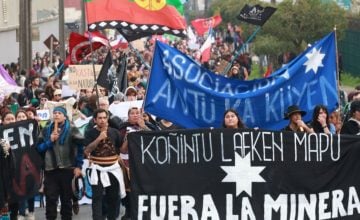
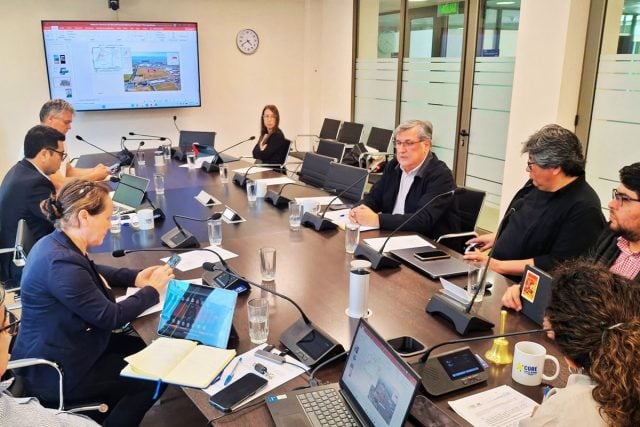
This week, the Environmental Commission of the Metropolitan Regional Council hosted the Community Socio-Environmental Movement for Water and Territory – Mosacat – and the Latin American Observatory of Environmental Conflicts – OLCA. These organizations are joining forces to protect the Cerrillos area from Google’s proposed data center project in the capital.
The session, called by councilor Leslie Venegas, who chairs the commission and represents Maipú, Cerrillos, and Estación Central, provided an institutional platform for discussions that communities have largely had on their own in the face of a powerful multinational corporation, as noted by OLCA.
A Problem That Extends Beyond Cerrillos
Jorge López, a member of Mosacat, outlined the potential impacts of the project on the community, discussing issues such as noise, heat islands, and the significant water and electricity consumption the facility would require—effects that the organization believes would severely impact local residents.
Hence, the movement has urged the Regional Government to fund an independent study to realistically assess the project’s anticipated impacts in Cerrillos and called on community members to join their cause.
Lucio Cuenca, director of OLCA, emphasized that the information presented necessitates a metropolitan-wide perspective on the conflict.
«Evidence shows the impacts that data centers create, such as heat islands, and in a regional context, this represents a larger problem affecting the entire Metropolitan Region,» he warned.
Cuenca stated that the severity of the situation is amplified because such projects currently escape environmental regulation.
He explained that a regulatory change made in February this year exempted data centers from the Environmental Impact Assessment System, effectively relieving them of the obligation to evaluate their impacts, as well as the broader impacts these infrastructures have on urban areas.
Cuenca also questioned who benefits from this infrastructure.
«Most services offered by data centers set up in our country cater to global commerce and the international financial system. They represent an export activity, and thus, many of these data centers are unnecessary in our nation,» he asserted.
Communities Left Vulnerable by Law
Councilor Leslie Venegas concurred that the crux of the issue is the absence of state regulation.
«We know that there is currently a lack of regulatory frameworks and oversight from the state regarding the emerging digital infrastructure,» Venegas pointed out, adding that thermal externalities would be compounded by other factors that could directly affect the community.
The regional authority specifically warned about the risk of contaminating the aquifer, as these facilities store large quantities of diesel that could leak into the groundwater.
Additionally, there is the overloading of the electrical grid, which could also impact the finances of local residents.
In light of this scenario, she called for legal changes: «Today, we are left vulnerable due to the current regulations, and that must change to prevent our region and country from facing the costs of a deregulated system,» affirmed the regional councilor.
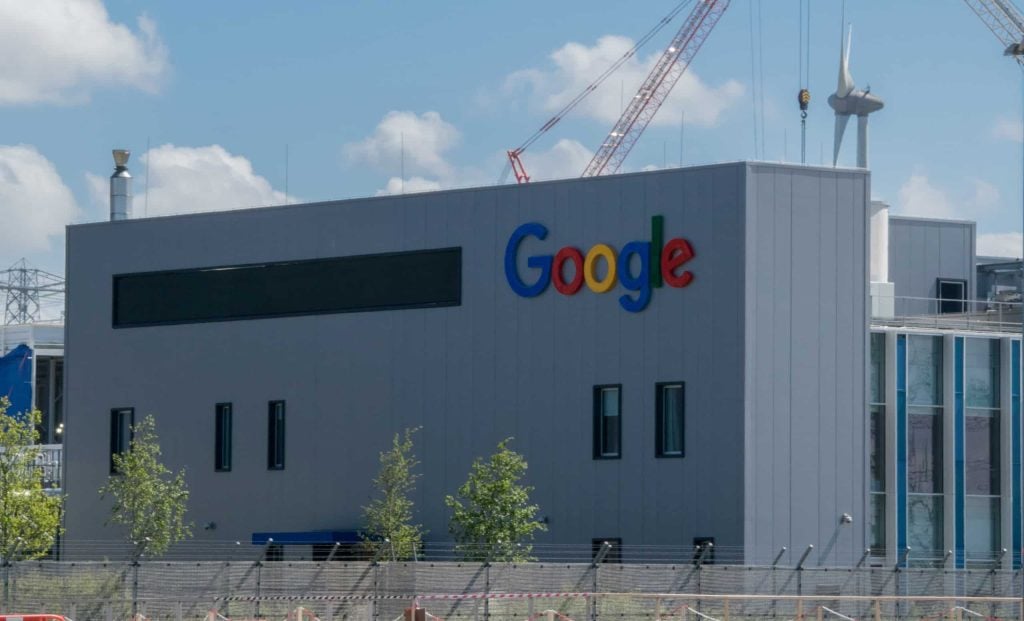
OLCA recalls that Google’s project in Cerrillos has been fraught with conflict for years.
«Its original version, approved in 2020, proposed extracting 169 liters per second of groundwater to cool its servers, a plan that was overturned by the Environmental Court following community action. In July 2026, the company presented a new $200 million design incorporating air cooling and 44 backup diesel generators—a version that moves forward without an environmental assessment,» warned the Observatory.
We will continue to provide updates.
Information from OLCA Communications
Obtén tu Pasaporte y apoya a El Ciudadano
Elimina la publicidad, accede a contenido exclusivo y sé parte de la comunidad.
Cancela en cualquier momento · Sin permanencia