Original article: Cuba sin combustible: Díaz-Canel confirma contactos con Washington y denuncia el bloqueo de EE.UU.
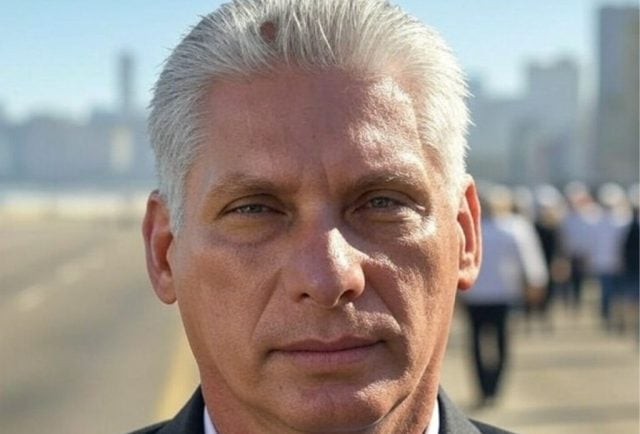
In a public appearance on Friday, Cuban President Miguel Díaz-Canel addressed the island’s dire energy situation, confirming ongoing contacts with U.S. government officials while reiterating that the economic blockade imposed by Washington is the primary cause of the challenges faced by the population.
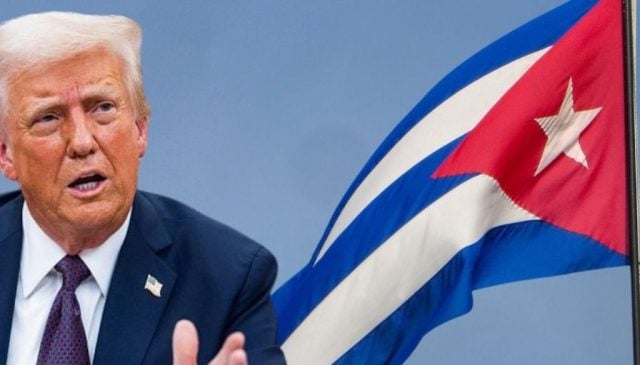
The President’s remarks come amid heightened tensions, exacerbated by the intensified coercive measures implemented by the Trump administration.
With an executive order signed on January 29, the Republican magnate halted all oil imports to Cuba, a decision that has triggered a severe crisis in the supply of essential services on the island.
This measure, justified by the claim that Havana poses a threat to U.S. national security, facilitates the imposition of tariffs on goods from countries supplying oil to the island nation.
The consequences of this decision have disrupted daily life for Cubans, resulting in blackouts lasting up to 20 hours a day and jeopardizing critical sectors like health, food supply, and the physical safety of residents.
During his speech, Díaz-Canel provided a stark assessment of the national energy reality, confirming that the lack of fuel has reached unprecedented levels in recent months, directly impacting electricity generation and, consequently, the daily lives of Cubans.
«It has been over a month since we focused on a set of measures and actions to combat the energy blockade, and now we can confirm that more than three months have passed without a single fuel ship entering the island, which has an immeasurable impact on the lives of our people,» asserted the president, highlighting the magnitude of a crisis that has led to prolonged blackouts in various regions of the country.
«These Are Long Processes»: Díaz-Canel Confirms Dialogue with Washington
A central point of the press conference was the official confirmation of contacts with U.S. government officials. When questioned about the nature and status of these communications, Díaz-Canel emphasized that «these are long processes,» requiring time and a willingness to engage in dialogue, making it clear that, due to their importance and complexity, they will be conducted with the utmost discretion and without the public exposure that he believes entails «microphone diplomacy.»
In this same vein, the Cuban leader categorically dismissed engaging in speculation regarding a potential bilateral rapprochement that has emerged in recent days. Instead, he assured that his government will focus on structured dialogue with three concrete objectives: first, identifying bilateral issues that need resolution; second, seeking effective pathways to address these problems; and finally, determining whether there is genuine willingness on the part of Washington to take «actions that benefit» both peoples, Cuban and American, as reported by RT.
«The Blame Lies with the Energy Blockade»
The Cuban president elaborated on the causes and consequences of the energy emergency, outlining how the lack of fuel has destabilized the national electrical system.
He indicated that, through careful management, his administration had managed to navigate the energy issue during January and February, maintaining controlled blackouts. However, the situation has critically worsened in recent weeks due to the complete absence of fuel to power the thermoelectric plants, the backbone of the country’s generation system.
«We are in a situation of instability from an energy perspective» due to the fuel shortage, Díaz-Canel insisted, explaining that this deficit also prevents more efficient utilization of energy generated by photovoltaic parks during daylight hours.
The result of this shortfall has created a critical scenario for the island, leaving some areas without electricity for more than 30 consecutive hours.
He also described how the fuel scarcity impacts various sectors of national development, as communications are affected, medical services face operational difficulties, education suffers, and transportation, along with all everyday activities, have been severely restricted.
«No one is turning off the power to disturb anyone,» he assured, while acknowledging the hard work of electrical workers.
«I cannot express enough how titanic their efforts are, even as they too endure blackouts,» he noted.
For the Cuban leader, there is no room for ambiguity in assigning responsibilities, reiterating that «the blame does not lay with the Government, nor is it the fault of the Revolution; the fault lies with the energy blockade [from the U.S.].»
Resilience and Development of Thermoelectric and Photovoltaic Energy
Despite the grim outlook, Díaz-Canel wanted to highlight the efforts and advancements made by his administration to resist and navigate the blockade, a concept he termed «creative resistance.»
The president boasted about exceeding production plans for oil and associated gas, a goal that, he explained, would improve thermoelectric generation capabilities in the medium term.
As a demonstration of this progress, he announced that «as part of the recovery of thermoelectric capacity, either today or over the weekend, a new thermoelectric plant will be brought online,» which is expected to supply more than 100 MW to the national grid.
Alongside these efforts, the president highlighted the crucial role that photovoltaic parks are playing. According to his data, these facilities generate «between 49 and 51% of energy during daytime hours,» establishing themselves as a primary renewable source for remote populations and social centers, showcasing the potential of clean alternatives in the context of the crisis.
«These are also expressions of a people that acts with creative resistance, which keeps us united, and within that unity lies tremendous potential to face this situation,» Díaz-Canel asserted.
In his statements, he also acknowledged that the country has been compelled to introduce structural changes, particularly in the labor sector, due to the decline in production as a direct result of the fuel shortage, insisting on the need to look for new avenues of job placement, arguing that «it is better that all of us, even if we have to change jobs, contribute and remain mobilized.»
Relacionados
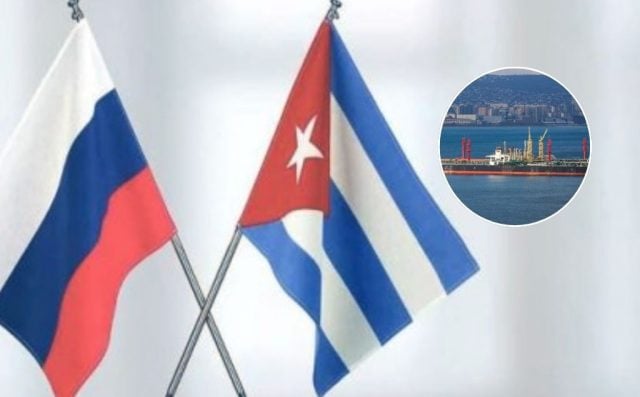
Russia Readies Oil Shipment to Cuba as Humanitarian Aid Amid Heightened U.S. Blockade
Hace 4 semanas
Cuba's Local Government Reorganization Aims to Enhance Connectivity Amid Power Blackouts and Fuel Shortages
Hace 4 semanas