Original article: Díaz-Canel rechaza nuevas sanciones de EE.UU. y reivindica “la gran odisea de la resistencia cubana”
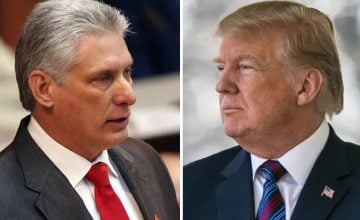
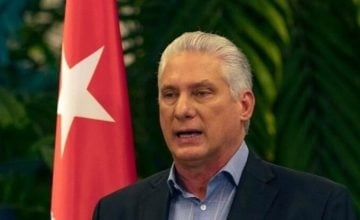
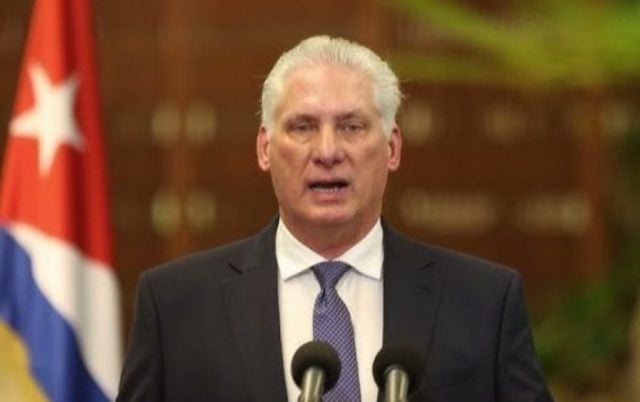
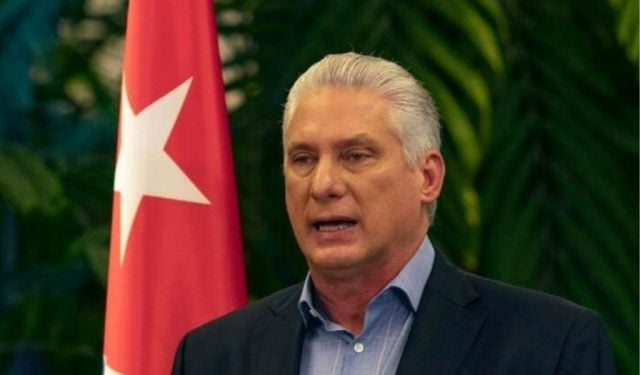
“Cuba’s Great Odyssey of Resistance” is how Cuban President Miguel Díaz-Canel Bermúdez characterized the popular and governmental response to the financial blockade imposed by the United States. Through his social media channels, the leader condemned the most recent unilateral coercive measures enacted by Washington against officials and entities on the island, asserting that while the list of those «sanctioned» may be «endless,» it will not undermine national sovereignty.
According to the head of state, this resistance is built on the pillars of patriotism, internal technical capacity, and the solidarity of peoples. This statement comes as the Cuban government has lodged formal complaints with the international community regarding the escalation of commercial and energy blockades by the Trump administration, which Havana has described as a “silent genocide.”
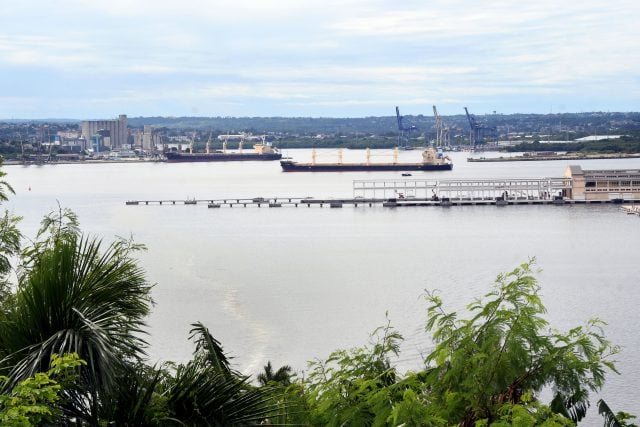
The U.S. president has intensified the pursuit and intimidation of international shipping lines and transport companies, resulting in the detention of over 7,000 containers filled with essential goods in various ports across the largest Caribbean island, including food, medicines, surgical supplies, and parts for water and electrical systems.
This action, coupled with the energy blockade triggered by the executive order signed by the current occupant of the White House to impose additional tariffs on countries supplying fuel to the island, has severely impacted the living conditions of the population and has particularly affected hospitals due to electrical service instability, resulting in a critical backlog of deferred surgeries and a severe shortage of medications for chronic illnesses.
In fact, according to figures from a report sent from Havana to the Secretary-General of the United Nations, the surgical waiting list in the country has reached 100,000 patients, of whom 12,000 are children. This number continues to increase daily as the national health system is forced to postpone non-urgent surgeries in order to prioritize oncological and other critical procedures to save lives.
Indeed, to treat patients, surgery is being performed using the light from cell phones.
According to the report, another evidence of the genocidal nature of the blockade imposed by Trump against the island is the deterioration it has caused in cancer survival rates.
“The number of people dying from cancer in the country has increased significantly, now exceeding 70 per day,” the document stated.
Moreover, the 2026 sanctions scheme acts as a de facto energy blockade, hindering the importation of crude oil needed for national electricity generation and drinking water distribution. In the face of escalating aggression and punitive rhetoric from Washington, the Díaz-Canel government reaffirms its model of self-determination and connection with global support networks.
Foreign Minister Bruno Rodríguez and the island’s political leadership have warned that the strangulation of basic supplies is part of a strategy of collective punishment against the Cuban people, intended to force illegitimate political concessions through coercion, need, and hunger.
In this context, they are calling from Havana for a global solidarity movement and for multilateral blocs like BRICS to continue promoting the collection and delivery of humanitarian aid to the population.
Obtén tu Pasaporte y apoya a El Ciudadano
Elimina la publicidad, accede a contenido exclusivo y sé parte de la comunidad.
Cancela en cualquier momento · Sin permanencia
Artículos Relacionados
Cuba's Díaz-Canel Accuses U.S. of Using Economic Blockade as Collective Punishment and Genocide
Hace 2 meses