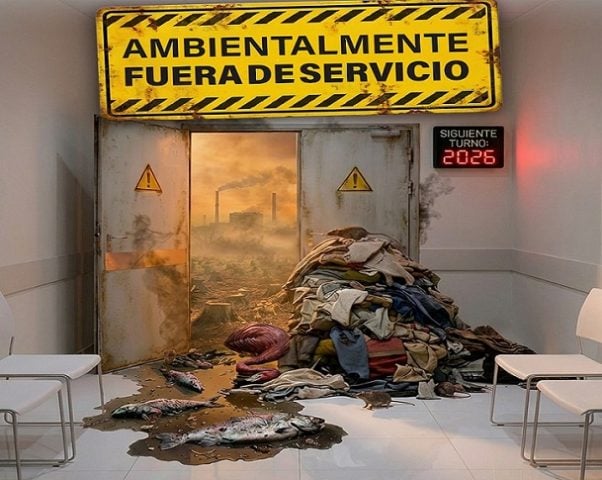
Original article: “Ambientalmente fuera de servicio”: Balance Ambiental 2025 de Terram
Fundación Terram’s 2025 Environmental Report
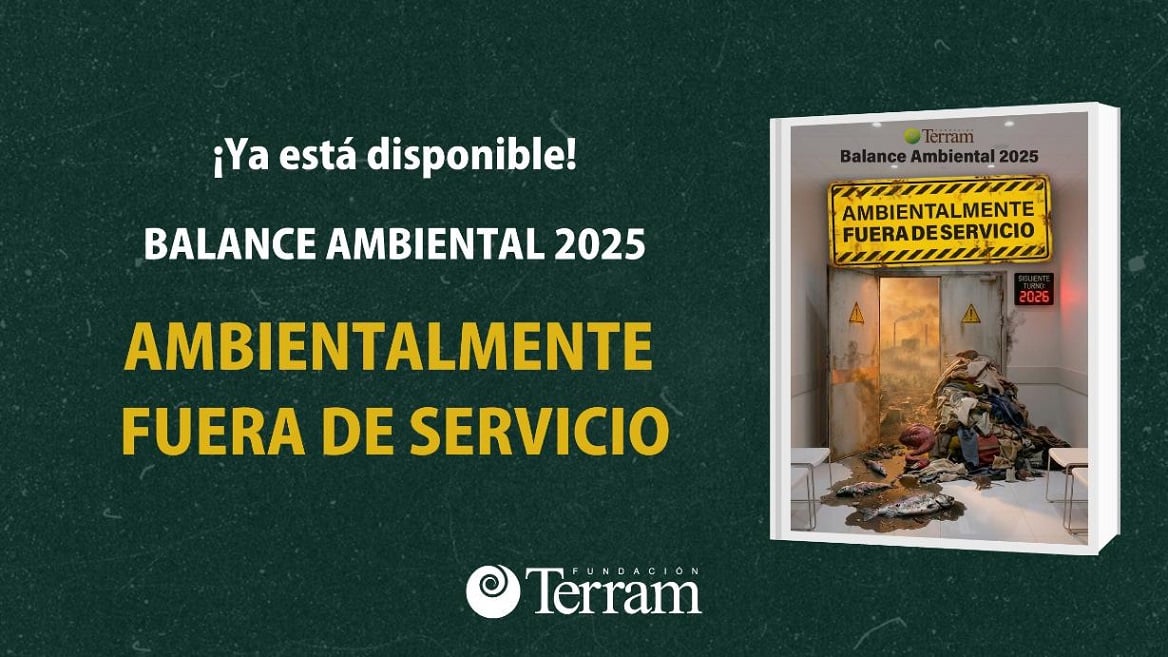
This report highlights key environmental milestones in the country over the past year, emphasizing how the concept of «permisology» has gained traction in President Gabriel Boric’s administration, alongside a communication strategy aimed at conflating sectoral permit challenges with the environmental assessment processes of the Environmental Impact Assessment System (SEIA). The document also discusses the major environmental challenges that the next government will face starting in 2026.
The latest edition of the Fundación Terram Environmental Report, titled «Environmentally Out of Service« explores how the debate over «permisology» has emerged in President Gabriel Boric’s agenda, fostering the notion that environmental regulation is a significant barrier to investment.
This document analyzes how this narrative has led to a misleading equivalence between sectoral permits and environmental assessments, despite each being governed by distinct regulatory frameworks, objectives, and issues.
These perspectives have resulted in serious environmental setbacks for Chile, evident in various sectors examined by the organization, including Salmon Industry, Mining, Protected Areas, Forestry, Oceans, Fishing, and Coastal Zones.
Since its inaugural edition in 2002, the Fundación Terram Environmental Report has awarded prizes in various categories to highlight significant environmental achievements and failures from the year.
Awards 2025
The Municipality of Penco and local social organizations received the Environmental Contribution award for their relentless defense of their territory against the Aclara Resources Rare Earths project. Their rejection was reaffirmed this year through public demonstrations and a «political vote» from the Municipal Council to declare Penco a «mining-free territory».
In the same category, Cielos de Chile Foundation and renowned astronomers and academics were recognized for their concerns regarding the INNA megaproject by AES Andes, which poses a direct threat to the pristine skies and the world-renowned astronomical heritage that houses the European Southern Observatory (ESO) at Cerro Paranal.
The award for Notable Environmentalists went to Fundación Plantae and Fundación Glaciares Chilenos for their commitment to promoting the declaration of National Glacier Day, which will be commemorated every March 21 starting in 2025. This initiative aims to raise awareness about the importance of these key ecosystems for climate regulation and the hydrological cycle due to their vast freshwater reserves.
In the Unsustainability category, the award went to multiple data center projects proposed for the Metropolitan Region, which, despite requiring enormous amounts of water and energy and occupying large land areas, operate under fragmented sectoral permits that prevent an evaluation of their cumulative impacts.
In the Pollution category, Australis Mar S.A. was recognized for its negligent actions in a protected area, particularly concerning a hydrocarbon spill on July 4 in the Salmon Farming Center Pan de Azúcar, located in the Kawésqar National Reserve. Additionally, the biorremediation project Las Salinas in Viña del Mar was awarded due to reports from residents in October about dizziness and toxic odors emanating from the site, which consists of a complex real estate development on former industrial land belonging to COPEC.
Moreover, the Negligence award was given to former Minister of Agriculture Esteban Valenzuela for his role in modifying the Soil, Water, and Wetlands Regulation under Law No. 20.283, which undermines the protection of native forests and xerophytic vegetation formations. He also failed to update the D.S. 68 of the same law that recognizes the native tree and shrub species of the country, reflecting a severe environmental regression. The Undersecretary for the Armed Forces was also recognized for the excessive and unjustified delays in resolving procedures initiated regarding the expiration of 720 concessions submitted by Fundación Terram in June 2022.
Highlights and Lowlights of 2025
The 2025 Environmental Report also identifies the best and worst aspects of the year, emphasizing advances such as the declaration of Valdivia as a Wetland City and the ratification of the High Seas Treaty, alongside setbacks like the approval of the Sectoral Authorization Law, the declaration of the Humboldt Penguin as an endangered species, and the approval of the Vizcachitas Mining Project, among others.
Challenges for 2026
Looking ahead to 2026, key challenges include the establishment of the National Forestry Service, the transfer of protected areas from CONAF to SBAP, the ambitious implementation of the EITI, effective protection of the Humboldt Archipelago, commitments made under the Kunming Montreal Global Biodiversity Framework to protect at least 30% of ecosystems by 2030, budget allocation for the implementation of the Salar Network under SBAP, penalties for salmon farming companies due to overproduction and evasion, Valparaíso serving as the Technical Secretariat of the High Seas Treaty, and halting the aquaculture project in the San Pedro River.
Relacionados
Fragile Progress and Silent Setbacks: The Harsh Environmental Assessment of 2025 in Chile
Hace 4 semanas
Report Reveals Environmental Setback in Presidential Programs: Priority Shift to Unregulated Economic Growth
Hace 3 meses