Original article: Académico U. Austral de Chile: «Se espera que sigan habiendo aftershocks (réplicas) durante meses en Venezuela»
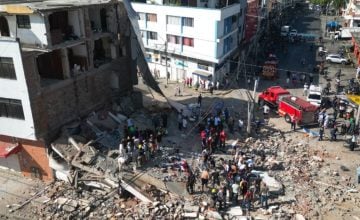
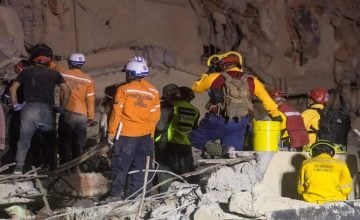
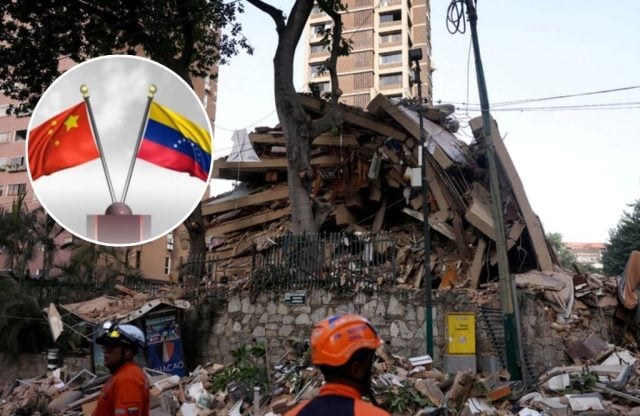
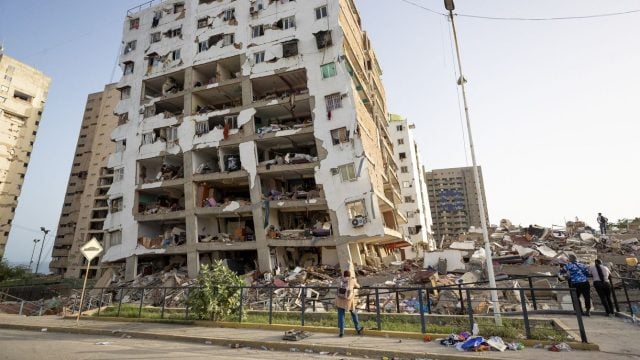
The recent earthquake in Venezuela has highlighted the ongoing seismic activity characterizing various regions worldwide, emphasizing the importance of studying aftershocks to understand the progression of significant seismic events.
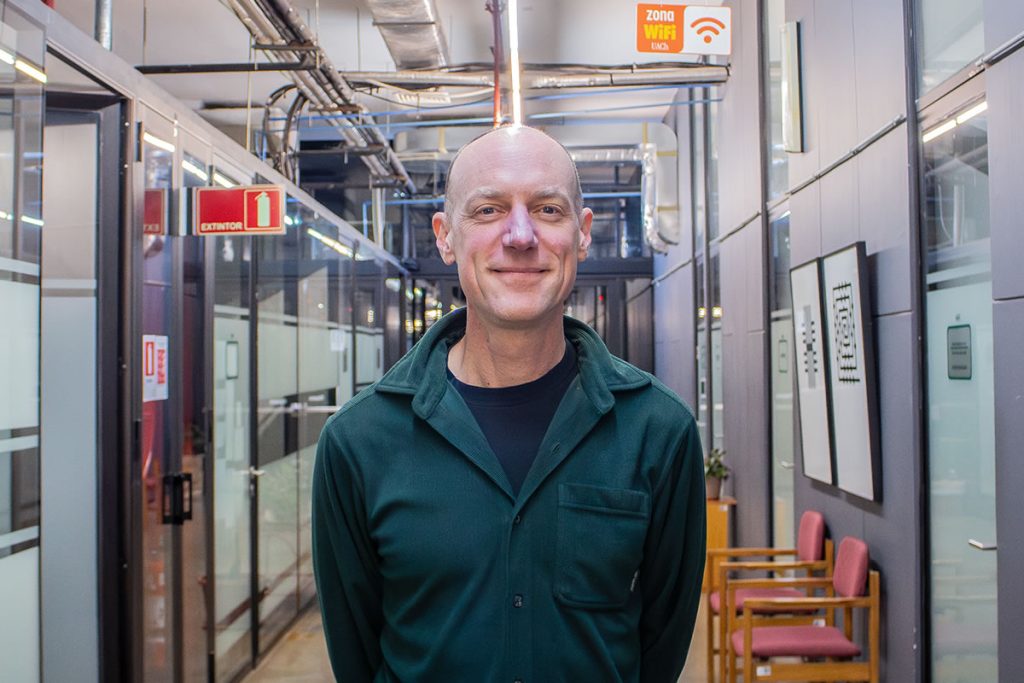
In this regard, Dr. Daniel Melnick, an academic from the Faculty of Sciences at Austral University of Chile, stated that aftershocks are expected to continue for months in Venezuela.
«The quantity and duration are normally proportional to the magnitude of the main event. For instance, the 2010 earthquake in Chile on February 27 had a magnitude of 8.8 on the Richter scale, with aftershocks lasting between 4 to 5 years,» explained the researcher.
Dr. Melnick detailed that after a magnitude 7 event, «it is expected that aftershocks will last several months and up to a year.»
«Venezuela has experienced numerous aftershocks, and their seismic network is quite dense, locating them east of the rupture zone, off the Caribbean Sea. The issue is that these can cause significant destruction to buildings already damaged by the primary event,» warned the UACh specialist.
Aftershocks
Regarding aftershocks, the academic mentioned, «Generally, I do not favor the term, as to replicate something means to duplicate it, making it exactly the same, which never happens with aftershocks. They are always of lesser magnitude, and both the magnitude and number of aftershocks decrease exponentially over time, following what is known as Omori’s Law, discovered by a Japanese researcher in the late 19th century.»
The researcher added that aftershocks are a natural part of the Earth’s crust readjustment process following an earthquake and provide valuable insights for identifying the behavior of high seismic activity zones and assessing associated danger levels.
Dr. Melnick stressed that analyzing aftershocks allows the scientific community to understand how stresses are redistributed in geological faults post-major earthquake, crucial information for enhancing seismic threat models and strengthening community preparedness for future events.
We will continue to provide updates. Photo Credit: Agencia EFE.
Obtén tu Pasaporte y apoya a El Ciudadano
Elimina la publicidad, accede a contenido exclusivo y sé parte de la comunidad.
Cancela en cualquier momento · Sin permanencia
Artículos Relacionados
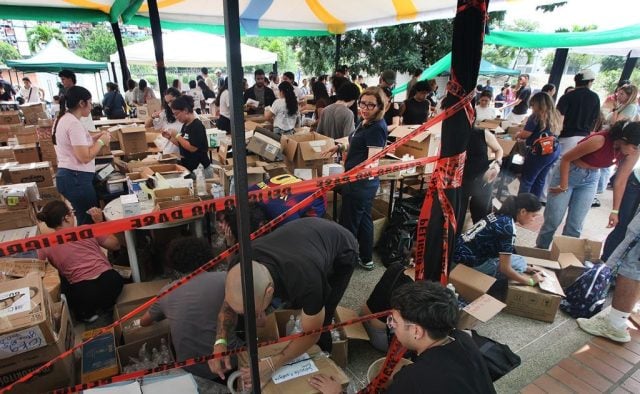
Caracas Stands Resilient a Week After Dual Earthquakes, as Solidarity and Relief Efforts Surge
Hace 3 meses