Original article: Especialistas advierten que crecidas de ríos y esteros dificultan el riego y amenazan cultivos en región de Coquimbo
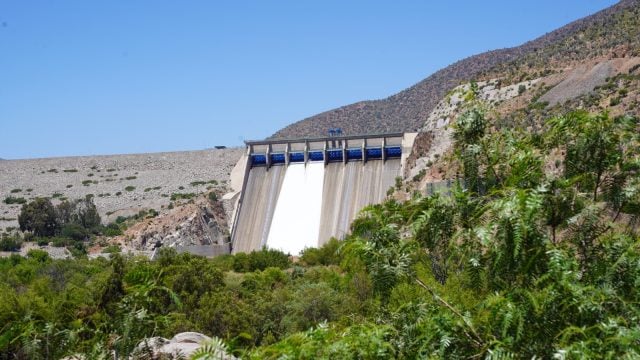
Heavy rainfall in 2026 has led to significant snow accumulation in the mountains of the Coquimbo Region. The rising temperatures are now accelerating snowmelt, increasing the water flow in the rivers and streams of the Elqui, Limarí, and Choapa basins.
While the greater availability of water offers relief after years of drought, it also requires careful monitoring in areas near waterways, as rising water levels and sediment transport have already caused disruptions in various parts of the region. Authorities and local communities are closely tracking the rivers and the condition of irrigation channels.
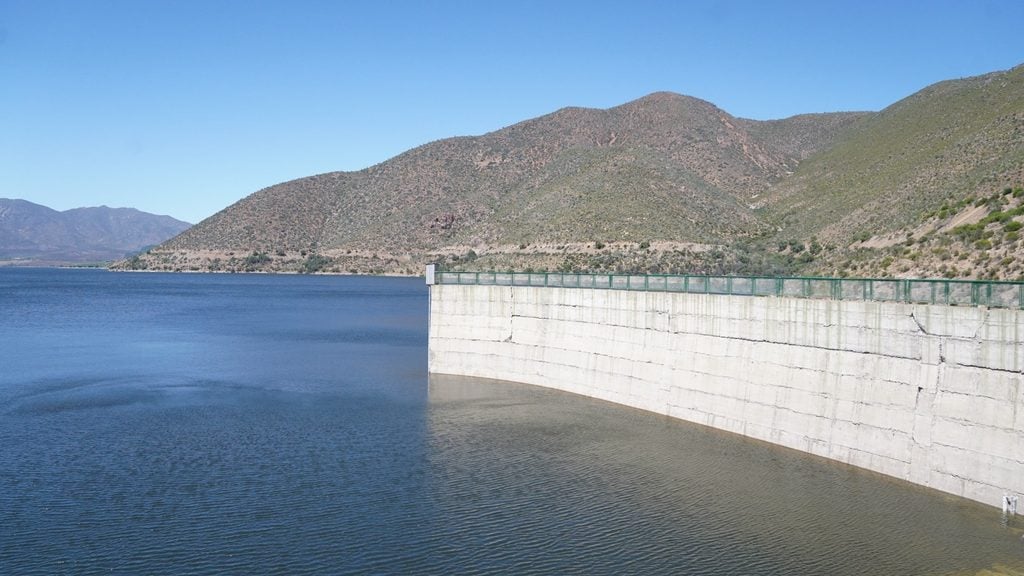
Pablo Álvarez Latorre, a faculty member at the Agronomy Department of the University of La Serena and director of the PROMMRA Laboratory and the Quitai Anko Technological Water Center Consortium, cautioned that in areas above reservoir curtains, «there is no possibility to regulate those flows, meaning the total amount of melted snow runs freely in the rivers.»
«The runoff caused by melting snow generates significant sediment that is suspended in the water and carries materials away, which restricts the use of water intake systems and usually causes substantial damage. Without any way to control those flows, the effects can be more severe in those areas,» the researcher warned.
He further explained that in the upper part of the basin, water flows through different rivers that contribute only a fraction of the total flow, but as these contributions merge, the volume of water cascading into lower areas increases.
For instance, in the case of the Limarí River, it receives water from the Hurtado, Grande, and Guatulame rivers.
This larger volume is compounded by the terrain characteristics; while the upper sections of the rivers are usually confined between slopes, the lower areas are flatter and have wider channels.
This makes it easier for floodwaters to spread onto adjacent lands during surges, leading to inundations.
In support of this, Dr. Álvarez elaborated that «the water volume combines with the speed at which it moves and the sediment and materials it carries, leading to erosion along the banks and limiting the use of water intakes.»
«The material can erode or destroy any drainage infrastructure that is not robust enough. Even if water enters the channels, sediments can accumulate if they are not equipped with sand traps or adequate infrastructure for retention,» he cautioned.
Irrigation Not Guaranteed
The researcher also stated that without adequate infrastructure to retain sediments, a higher volume of water does not guarantee it can be used for irrigation, as capturing and transporting it may damage the channels.
Additionally, removing the accumulated material is costly due to access difficulties and the availability of workers and machinery.
Regarding the evolution of the river flows, the expert noted that «there are differences between the basins; in Limarí and Choapa, we are experiencing peak flows, while Elqui is approaching its maximum. The Hurtado experiences a later snowmelt compared to the Grande, while the Tascadero has less than 30% snow coverage and its flow is expected to decrease.»
«In the Grande River at Las Ramadas, there are still significant amounts of snow above 2,900 meters, with persistence greater than usual, similar to 2002. Therefore, we anticipate significant snowmelt in November and a decrease in flows in December, although they will remain elevated,» emphasized Professor Pablo Álvarez.
In terms of the impacts this scenario may have on agriculture, Cristian Ibáñez Gutiérrez, director of the School of Agronomy and a faculty member at USerena, emphasized that «grapevines, both pisco and table grapes, outdoor vegetables, and greenhouse crops could be affected by flooding due to the rising water levels nearby, or in the case of greenhouses, by excessive moisture that may encourage fungal growth.»
«Some vineyards in Limarí have already been affected by rising water levels. For avocado and citrus trees, soil flooding can lead to root asphyxiation,» Ibáñez pointed out.
The specialist indicated that farmers «must monitor water movement in their fields, clear or deepen ditches, strengthen defenses, and clean drainage systems, avoiding irrigation in already wet areas. If pruning is necessary, it should be done before rain since cuts can facilitate fungal entry. In greenhouses, it is advisable to ventilate them in the mornings and keep the soils well-drained and levelled.»
In addition, Ibáñez mentioned that it is also crucial to check «the pumps in the systems controlling managed irrigation, stay alert to clean filters, add more due to increased sedimentation, and if the sedimentation issue is challenging, create settling pits that allow sediment retention, thus reducing the risk of irrigation systems collapsing in a field.»
Regarding other weather effects, the academic stressed that «wind can cause flower and fruit drop in avocados and citrus, reducing harvest and damaging greenhouses. Rain when grapes begin to color or are ripe, followed by heat, may cause fruit splitting, and hail can harm flowers, reduce fruit set, and affect fruits close to harvest.»
«That’s why it is important to observe agroclimatic conditions and adjust harvesting periods. If rain is forecasted, it might be beneficial to harvest earlier or, if resources allow, to use protective nets,» the academic concluded.
We will continue to provide updates.
Obtén tu Pasaporte y apoya a El Ciudadano
Elimina la publicidad, accede a contenido exclusivo y sé parte de la comunidad.
Cancela en cualquier momento · Sin permanencia