Original article: Clima extremo: Investigadora asegura que fortalecer pequeña agricultura es clave para garantizar seguridad alimentaria frente a lluvias intensas y sequías
Recent heavy rainfall across Northern Chile down to the Central-Southern regions has once again highlighted one of the major challenges faced by the country’s agriculture: adapting to a scenario where extreme weather events are increasingly frequent.
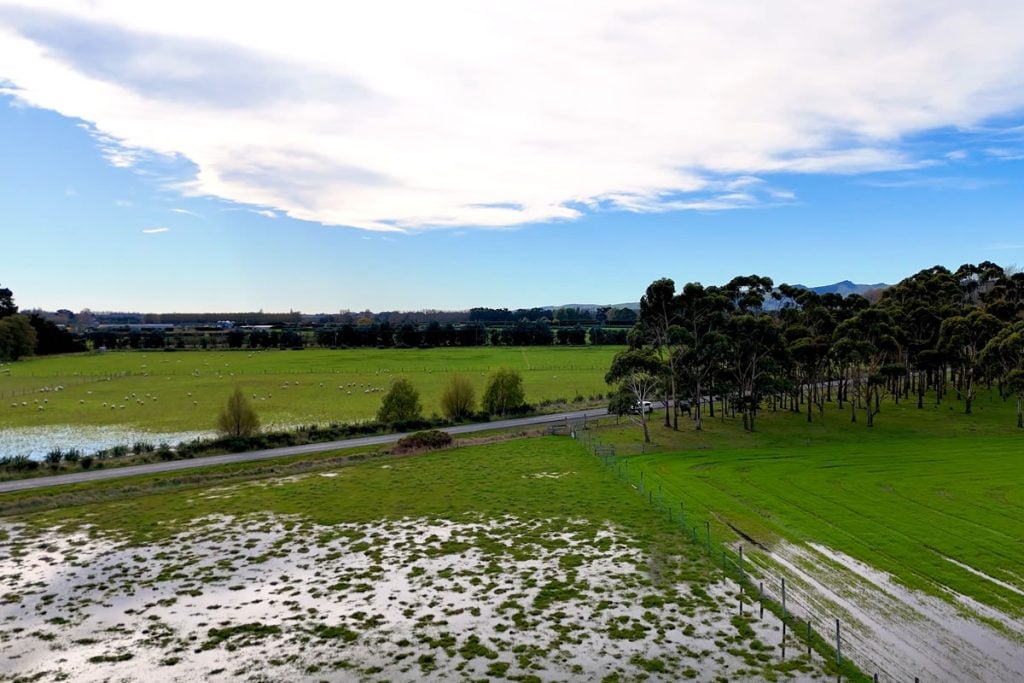
While the Agricultural Research Institute (INIA) in Atacama and Coquimbo issued recommendations to protect crops, infrastructure, and livestock against unusual precipitation, the central and southern parts of the country were already experiencing severe impacts: flooding, loss of fertile soil, road disruptions, and damage to farms.
Although the focus is often on immediate emergencies, recovery begins once the rain stops. Restoring soil fertility and enhancing farmers’ ability to adapt will be critical in a climate scenario that is no longer isolated.
This concern is particularly relevant given the role of Family Farming (AFC). According to the FAO, it accounts for nearly 92% of agricultural holdings in Chile, generates 61% of agricultural employment, and contributes 27% of the nation’s food production.
Globally, the agency estimates agricultural losses of approximately $143 billion from 2007 to 2022, affecting small-scale producers most significantly.
From the Faculty of Natural Resources at the Catholic University of Temuco (UCT), Dr. Gina Leonelli emphasized the importance of understanding the effects of rainfall to reduce losses and strengthen the sector’s resilience.
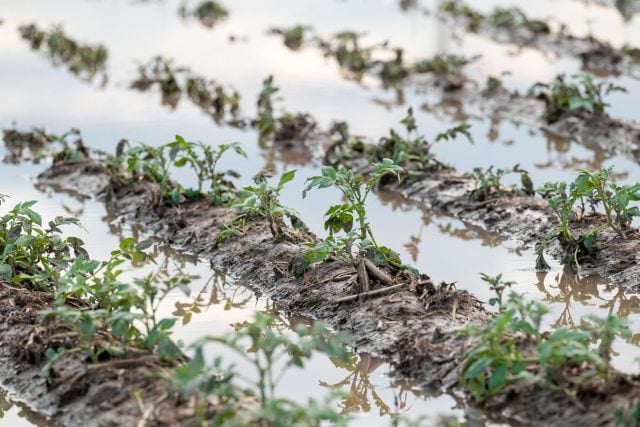
«Intense rainfall can cause waterlogging and root asphyxiation, leading to root death in crops, loss of plant biodiversity, soil erosion, soil displacement and loss. Furthermore, these events impair soil biological activity, promote diseases and pests, delay agricultural work, affect pollination, and result in economic losses for farmers,» the researcher stated.
Prevent, Not Just React
Resilience also relies on adopting preventative measures. In this regard, Dr. Leonelli noted the importance of focusing on soil conservation, which includes «maintaining vegetation cover, adding organic matter, improving drainage, diversifying crops, protecting water sources, implementing biological corridors and vegetation hedges, and planning agricultural activities while considering climatic risks.»
The expert further adds that the repercussions extend beyond agriculture: «It can lead to decreased food production, increased costs, and jeopardized food quality and safety due to contamination of water and soil.»
According to the academic, Chile is currently facing a distinctly different climatic scenario: «We are confronted with a climate that exhibits more variable and extreme events, with concentrated rainfall and droughts during the summer. Effective management of watersheds is essential, focusing on water storage and natural drainage network systems.»
«Adaptation is no longer an option, but a necessity,» concluded the researcher.
Furthermore, from the Faculty of Natural Resources at UCT, it has been emphasized that responding to this scenario demands strengthening public policies, providing technical support to small producers, encouraging research, and facilitating technological transfer: «The resilience of AFC will be crucial for safeguarding food production, strengthening the rural economy, and ensuring food security in Chile,» the institution underscored.