Original article: «Cochamó por siempre»: Estrenan film que celebra una de las mayores victorias de conservación en Chile
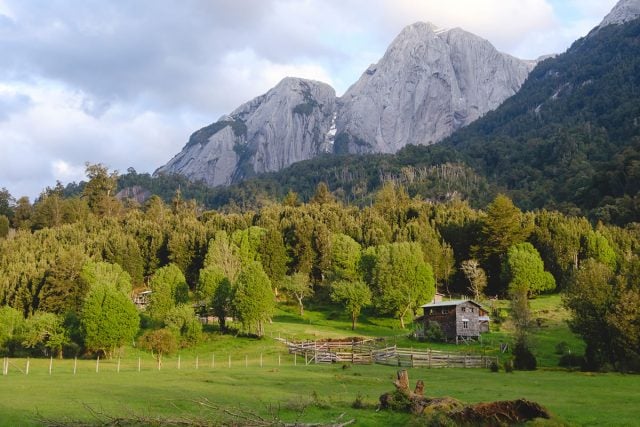
«Forever Cochamó» is the title of the groundbreaking audiovisual piece created by Patagonia Films, which documents the journey that made possible the purchase of Fundo Puchegüín, a sprawling 133,000-hectare expanse in the heart of Cochamó, Los Lagos Region. This area is rich in native forests, endemic species, and granite formations that have established the valley as a global climbing hotspot.
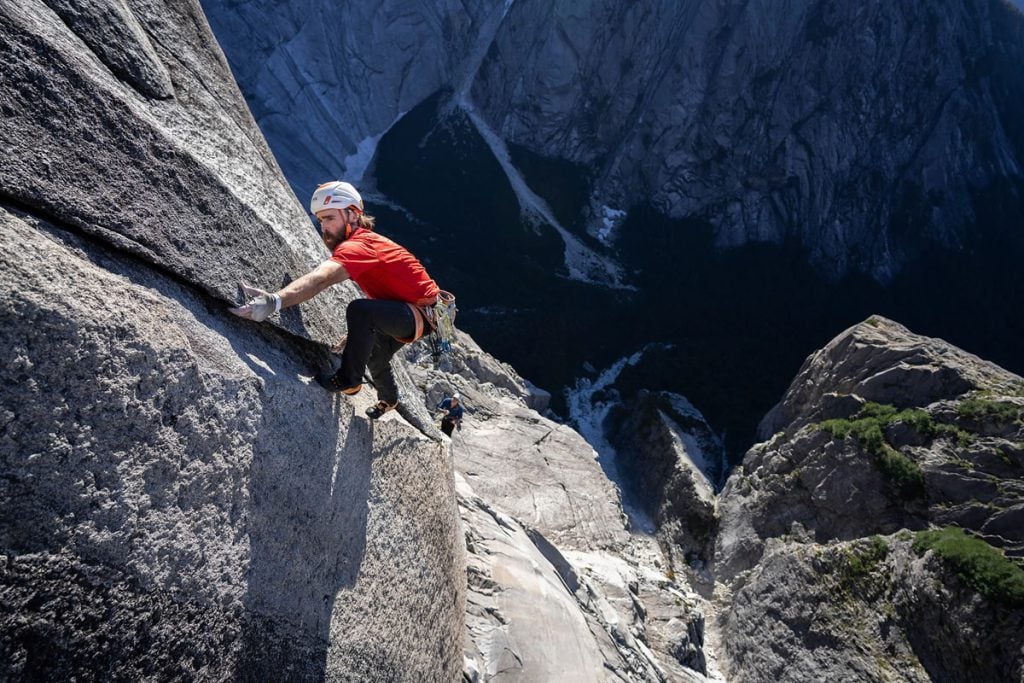
The film explores the territory through the voices of its key figures, showcasing breathtaking imagery of the valley’s iconic cliffs and testimonies that connect this milestone to the global climbing community.
Narrated by Belgian climber Sean Villanueva and featuring renowned climbing figure Tommy Caldwell, the audiovisual work emphasizes the bond between Cochamó and those who have found in its walls a space for exploration, connection, and communion with nature.
For the climbing community, Cochamó is a world-class granite destination. The valley is home to iconic monoliths like Cerro Trinidad, Cerro La Junta, Anfiteatro, and El Monstruo, with big wall routes that, in their height and continuity, can rival some classic lines in Yosemite.
As Caldwell summarizes, «It’s hard not to compare Cochamó to Yosemite due to the quality of the granite, the waterfalls, and the style of climbing, with a very high proportion of five-star pitches.»
Additionally, the area offers a spectacular destination for hiking and fly fishing in the Puelo River.
A Victory Born from the Community
The acquisition, executed by the Conserva Puchegüín Foundation, stems from a fundraising initiative that, within less than two years, raised over $78 million. The goal is to protect and manage this territory in the long term through a model that incorporates local communities while respecting traditional and recreational uses of the area.
Donations from thousands of individuals across 21 countries facilitated the purchase of the land, which represents the largest private property in the municipality and is a crucial piece in solidifying one of the most important biological corridors in Latin America, connecting 1.6 million hectares of protected areas between Chile and Argentina.
This true climate refuge houses 58,000 hectares of primary forests, nearly 11% of the world’s larch trees, and endemic species such as the huemul, the monito del monte, the pudú, and Darwin’s frog.
However, the impact of Conserva Puchegüín extends beyond ecological conservation. The purchase of this land also ensures the continuity of cultural practices and traditional crafts in an area that represents a third of the municipality of Cochamó, historically threatened by land subdivision, real estate projects, and invasive tourism.
Today, the new owner of Fundo Puchegüín is the Conserva Puchegüín Foundation, a Chilean non-profit organization established in August 2025, with an independent directory dedicated to safeguarding the foundational principles of the project and ensuring active community participation in its management.
According to the Foundation, the conservation plan includes a mixed protected area: up to 20% destined for sustainable uses—such as agricultural activities and low-impact tourism—and at least 80% aimed at strict conservation.
Thanks also to the new law creating the Biodiversity and Protected Areas Service (SBAP), plans are in place to advance protective measures that will assure both the comprehensive conservation of the territory and the continuity of traditional and recreational activities in the valley.
Macarena Sánchez, Director of Environmental Activism at Patagonia Chile, emphasized that «in a rapidly warming planet, protecting a territory like Puchegüín is an act of collective courage. This project shows that when communities come together, they can change the fate of an entire region. For Patagonia, it represents the kind of future worth defending.»
Andrés Diez, Executive Director of Puelo Patagonia— the organization behind the Conserva Puchegüín initiative— pointed out that definitive legal protection «will take time, and this project is just beginning. But what’s important is that today there is a clear commitment and a shared path to ensure its long-term conservation.»
Watch the full film below (YouTube):
El Ciudadano
Relacionados
Search Intensifies in Los Lagos for 6 Missing Crew After Salmon Boat Sinks in Reloncaví Estuary
Hace 1 semana
Armand Mattelart Passes Away: The Belgian Scholar Who Shaped Chile's Understanding of Media, Culture, and Power
Hace 3 meses
Independent Cinema Network Launches Classic Film Series to Support Valparaíso's Iconic Insomnia Theater
Hace 4 semanas
"Estrenos en RED" Invites Filmmakers to Showcase Movies in Independent Theaters Across Chile
Hace 3 meses