Original article: “No sé si se llegó a calibrar el impacto”: Marcel apunta al bencinazo y complica relato económico de Kast
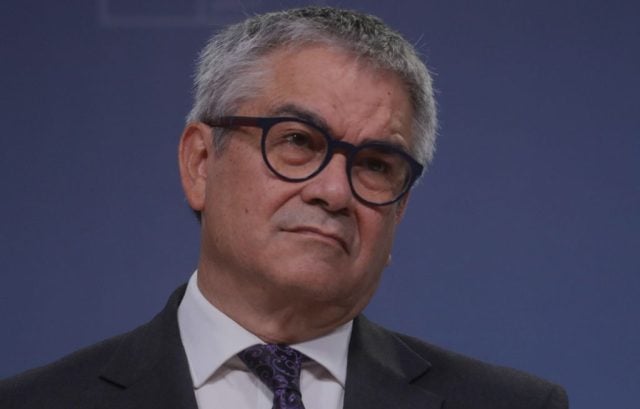
In light of Chile’s challenging economic landscape, former Finance Minister Mario Marcel criticized the decision by José Antonio Kast’s government to halt the operation of the Fuel Price Stabilization Mechanism (Mepco), which led to a historic spike in fuel prices known as the «bencinazo», and questioned whether La Moneda «calibrated the impact that this measure would have.»
The decline of the Monthly Economic Activity Indicator (Imacec), registering five consecutive downturns — with May witnessing a 0.9% fall compared to the previous year — served as the catalyst for the former secretary of state to present an analysis that diverges from the official narrative.
Marcel outlined the adverse situation in two major categories. Firstly, he attributed the downturn in the first quarter to structural issues on the «supply side», noting that key sectors like mining, agriculture, and fisheries reported negative figures due to specific phenomena. However, the core of his argument revolves around the deterioration of economic expectations.
According to the ex-minister, during April, May, and June, the Chilean economy faced a «shock from rising fuel prices,» an impact that he believes has set expectations back «at least two years, affecting consumers’ decisions» in commerce and services, he argued during an interview with Radio13c.
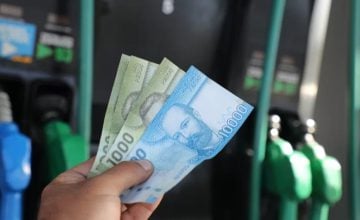
In the interview, Marcel criticized the far-right government’s handling of the controversial March decision not to implement the Mepco, which triggered a historical increase: gasoline rose by 14.2% in just two weeks, and diesel skyrocketed by 29.6%, according to statistical records.
«I don’t know if the impact on people’s expectations and consumer behavior was properly calibrated,» stated the former secretary of state, complicating the economic narrative of Kast’s administration, which has sought to depict the situation as a necessary evil or an unavoidable external consequence.
To strengthen his thesis, Marcel delved into consumer psychology, explaining that «people’s expectations regarding the economy are always more influenced by inflation than by employment or activity, and inflation expectations are not based on the CPI but on certain emblematic prices, with fuel prices being the most significant.»
This scenario, according to the economist, is not unique to Chile.
This argument reveals a vulnerability in current economic policy: by failing to grasp the symbolic and actual impact of the «bencinazo,» the government may have inadvertently triggered a consumption slowdown, exacerbating the recession, even more than productive factors.
Marcel: «During Boric’s Administration, We Did Not Experience Any Downgrade in Credit Rating«
In response to criticisms and comparisons with his own management from Kast and his ministers, Marcel did not hesitate to defend the economic legacy of President Gabriel Boric’s government, contrasting it with the current far-right administration.
«Markets have recognized Chile’s solvency that has persisted over time,» he asserted, highlighting that under Boric’s administration, there were no downgrades in the credit rating, and markets lowered the risk premium for the Chilean economy.
For Marcel, investors «who look at things from a broader perspective, not caught up in the day-to-day, see the numbers and draw their conclusions, especially when comparing with what happens elsewhere.»
The former minister concluded his defense of his tenure at the Finance Ministry with hard data that dismantle the narrative of a supposed fiscal disaster inherited.
In the interview with Radio13c, he asserted that, despite the ambitious unmet goals in the last two years of the previous government, «the average fiscal deficit over four years was 1.7%,» a figure less than half of that recorded in developed countries.
Moreover, he emphasized that the increase in public debt during his tenure was lower than that of previous administrations and remains well below international standards.
Through these statements, Marcel not only defends against Kast’s criticisms but also warns that the crisis of expectations and trust currently facing the country is largely induced by poorly calibrated domestic policy decisions made from La Moneda.
Obtén tu Pasaporte y apoya a El Ciudadano
Elimina la publicidad, accede a contenido exclusivo y sé parte de la comunidad.
Cancela en cualquier momento · Sin permanencia
Artículos Relacionados
Chile on the Brink of Recession: Former Minister Marcel Blames Kast-Quiroz for Fuel Price "Shock"
Hace 3 meses