Original article: Vidal, Pérez, Rubilar y Lagos Weber: Exvoceros de Gobierno alertan sobre avance del odio político y llaman a «recuperar la convivencia democrática»
Four former ministers of the government have issued a «warning signal» regarding the political climate in the country through a letter titled «The Day After Hatred,» published on Tuesday, September 8, in La Tercera.
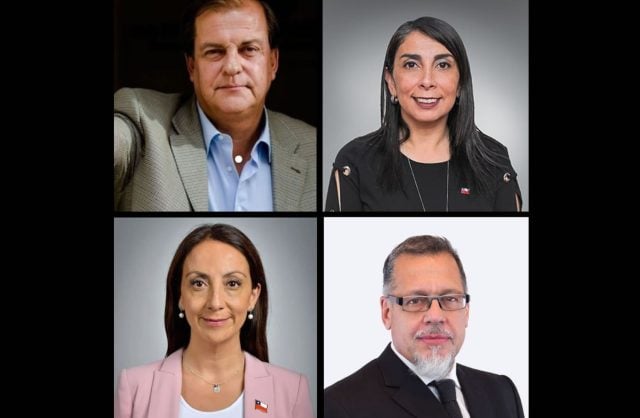
The statement was signed by Ricardo Lagos Weber, Cecilia Pérez, Francisco Vidal, and Karla Rubilar, who urged society to «protect democratic coexistence and prevent ideological differences from turning political opponents into enemies.»
According to the former spokespeople, «a dangerous trend is emerging in democratic coexistence: not due to the existence of differing opinions—which is a hallmark of democracy—but because those who hold different views are increasingly not regarded as legitimate adversaries.»
In this context, the letter emphasizes the role of social media, noting that these platforms have accelerated this phenomenon.
«A single phrase, accusation, or label can trigger a ‘digital mobbing,’ followed by numerous posts, some from anonymous, fake, or coordinated accounts, which ultimately shift the discussion from ideas to personal attacks,» the former ministers warned.
At this juncture, the signatories caution against the dangerous notion that a person can become so contemptible due to their political positions that if something bad were to happen to them, they would somehow deserve it.
In this light, they critiqued behaviors they believe are present at both political extremes, arguing, «Both the extreme right and the extreme left can perpetuate this dynamic: condemning the attacks they receive while justifying or remaining silent about those that affect their opponents.»
Finally, the four former ministers called for a distinction to be made «between legitimate political criticism and dehumanization,» asserting that while words «do not automatically lead to violence and not all harsh criticism constitutes hatred, it would be irresponsible to assume that systematic dehumanization will never have consequences.»
In response to this situation, the former spokespeople advocated for «the ability to engage in dialogue and reach agreements without renouncing one’s convictions.»
«Moderation is not weakness, and reaching agreements is not betrayal,» they stated in their letter, adding a particularly poignant question: «What will we say if one day we must mourn a murder motivated by political hatred?»
We will continue to provide updates.
Obtén tu Pasaporte y apoya a El Ciudadano
Elimina la publicidad, accede a contenido exclusivo y sé parte de la comunidad.
Cancela en cualquier momento · Sin permanencia
Artículos Relacionados

Milei Exports Hate Speech to Brazil, Insults Lula, and Triggers Diplomatic Crisis for Argentina
Hace 3 meses