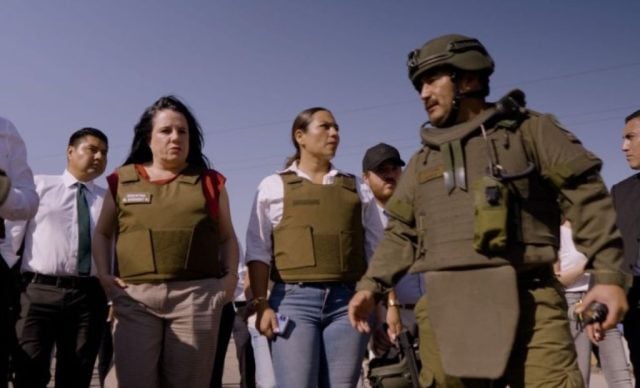
Original article: Megaoperativos para la foto: Seguridad no sabe cuántos detenidos quedan presos y Steinert sigue sin plan
Government’s Security Operations Raise Questions on Effectiveness and Planning Amidst Rising Crime
The Ministry of Security was approached by CIPER regarding how many of the thousands of detainees from the four major police operations conducted over the past two months have actually been placed in preventive detention. The ministry responded that it does not maintain such records, citing that criminal prosecution is the responsibility of the Public Ministry and the Judiciary. Consequently, the José Kast government celebrates arrest statistics that it genuinely does not know translate to offenders being taken off the streets.
This paradox was highlighted just hours later by statements from Interior Minister Claudio Alvarado during an interview with Radio Pauta: “Some ask, ‘Where is the plan?’ But what matters here is that actions are taken […]. This is not about having a binder document outlining security policies; what matters is that things get done.” With these remarks, the state secretary confirmed that the far-right administration—just as both the opposition and some sectors of the ruling party have been asserting—still lacks a structured security plan, despite having made this issue the focal point of his presidential campaign.
Additionally, Minister of Security Trinidad Steinert acknowledges mistakes and is unable to convert her seven programmatic pillars into a concrete document, promising to present a plan “in the coming weeks.”
Security Unaware of How Many Detainees from Major Operations Remain in Custody
In lieu of a strategy, the government has opted for police deployments that feature photo opportunities which are later disseminated, yet their actual efficacy remains unknown even to the organizers themselves.
The underlying issue is significant. During the first major operation in March, 2,905 individuals with outstanding warrants were apprehended. Of these, only 193 (or 7%) were accused of serious violent crimes such as homicide, kidnapping, sexual assault, or robbery with intimidation (e.g., carjacking, home invasions). Nonetheless, the Ministry of Security cannot ascertain how many of these individuals remain behind bars.
When CIPER inquired with this department about how many of these detainees were placed in preventive detention—an essential metric for determining whether dangerous criminals are being effectively removed from society—the response was vague. The Ministry of Security does not handle criminal prosecution, stated the communications department, distancing itself from any result evaluations.
In that March operation, Carabineros disclosed—via transparency records—that 1,186 individuals were made available for detention control. However, neither the uniformed police nor the ministry could clarify how many ultimately ended up in preventive detention.
With the data revealed by CIPER, the lingering question is whether the remainder are fugitive suspects of lesser crimes or individuals detained merely for identity checks, which dilutes the real impact on violent crime that terrifies the public.
Steinert Acknowledges “Errors” and Promises to Deliver Plan “in the Coming Weeks”
In the face of this void, Minister Steinert appeared before the lower house and admitted, “I have made mistakes.” She then outlined seven programmatic themes (organized crime, territorial recovery, police strengthening, among others) that she had previously presented in April to the Senate but still lack translation into a concrete plan.
Steinert promised that the official document would be submitted “in the coming weeks” to lawmakers.
The government of Kast thus faces a double contradiction. On one hand, it conducts massive operations without the ability to measure their actual impact on citizen safety. On the other hand, it repeats the excuse of “lack of time” to design a roadmap, even though the president himself promised that security would be the priority from day one. As Steinert announces an unrealized plan and Alvarado defends actions without verifiable results, the Chilean people continue to wait for more than just photo opportunities.
