Original article: Catástrofe sanitaria en Gaza: UNRWA reporta niveles «récord» de enfermedades y colapso del sistema de salud
«Harsh winter conditions are ravaging Gaza, with intense cold, heavy rains, and flooding exacerbating the risk of spreading diseases that have already reached record levels in the Strip,» warned UNRWA Commissioner-General Philippe Lazzarini.
The United Nations Relief and Works Agency for Palestine Refugees in the Near East (UNRWA) issued a stark warning on Monday about record levels of disease spread in the Gaza Strip, driven by severe cold, wind, and rain, coupled with a lack of access to vaccines. This crisis is worsened by the near-total collapse of the healthcare system due to the Israeli blockade, which prevents the entry of essential aid, including medical supplies.
“After more than two years of war (Israeli) in the Gaza Strip, children have been repeatedly denied the necessary vaccines to protect them from preventable diseases,” cautioned UNRWA’s Commissioner-General, Philippe Lazzarini.
“Harsh winter conditions are ravaging Gaza, with intense cold, heavy rains, and flooding exacerbating the risk of spreading diseases that have already reached record levels in the Strip,” he stated in a press release.
He explained that “poor water conditions, overcrowded shelters, and the healthcare system’s collapse are contributing factors to the spread of diseases in the region.”
In response to this dire situation, UNRWA, in cooperation with the United Nations Children’s Fund (UNICEF), the World Health Organization, and local activists, initiated a second round of vaccination for children under three years old on Sunday, who have missed essential doses during the two years of genocidal warfare perpetrated by the Israeli occupation.
“In the midst of more than two years of war in Gaza, children have been repeatedly deprived of the vaccines they need to stay safe,” he stated.
Nonetheless, he emphasized that “UNRWA continues to work to save lives in Gaza,” despite severe funding cuts from the United States and its allies to this lifesaving agency.
Healthcare System in Critical Condition
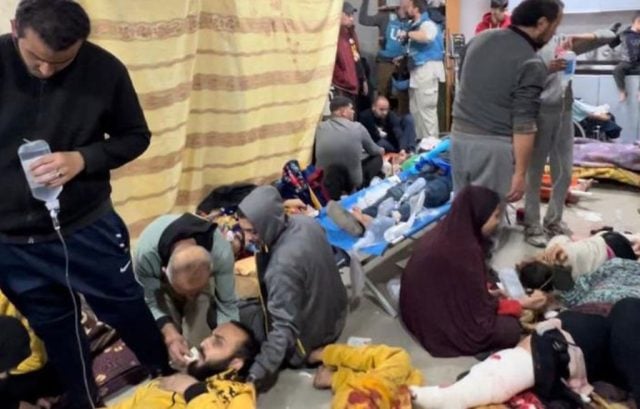
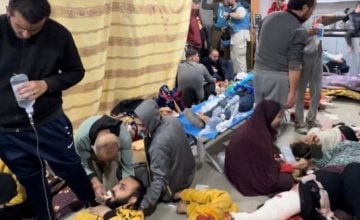
Al-Shifa Hospital in Gaza has also reported a severe decline in health due to the spread of undiagnosed diseases, as the number of patients has surged to unprecedented levels.
Dr. Moataz Harara, head of the Emergency Department and Admission, reported that they have been receiving over 500 patients daily, of which approximately 200 cases are suffering from acute respiratory illnesses with severe symptoms such as high fever, difficulty breathing, extreme fatigue, coughing, and chest pain.
He clarified that the severity of cases varies based on the patients’ immune levels, with some recovering within days, while others require hospitalization or intensive care when treatment fails to improve oxygen saturation in the blood.
He pointed out that these cases do not include COVID or seasonal flu, but the lack of diagnostic capacity prevents medical staff from identifying specific viruses.
Genocide in Gaza Continues on Multiple Fronts
The health crisis is set against what human rights organizations decry as the ongoing genocide against the Palestinian people on “multiple fronts,” including famine and disease.
The Gaza Human Rights Center, in a statement also released on Monday, asserted that its monitoring during the first 99 days of the latest ceasefire agreement reveals that it “has not resulted in the protection of civilians,” and that on the contrary, it has become a mere formality to disguise murders, attacks, and the denial of basic needs to Palestinian civilians, which have characterized the Israeli siege imposed on the enclave.
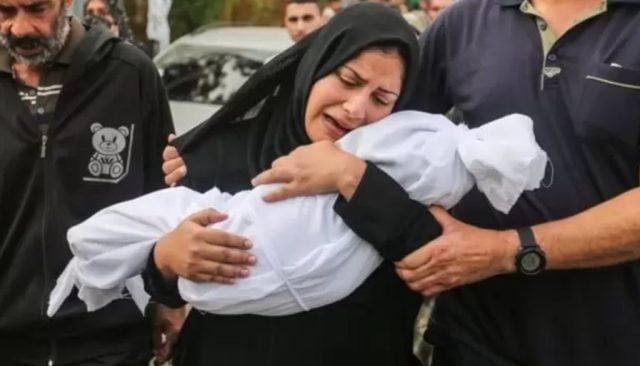
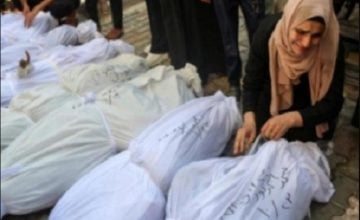
According to the center’s statistics, during the 99 days of ceasefire, the Tel Aviv regime killed 479 Palestinians and injured another 1,280, averaging about 5 deaths and 13 injuries per day.
In this context, it noted that 91.9% of the Palestinians who lost their lives during attacks by Israeli forces were civilians, and that 51.6% of the total victims were children, women, and the elderly. It also stated that 99.2% of the injured were civilians, who were hit by bullets in supposedly protected areas.
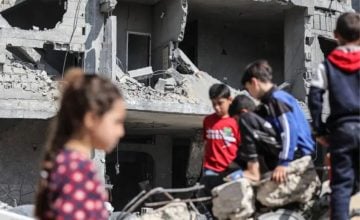
The organization reported that it has documented 1,285 violations on the ground during the 99 days, averaging 13 daily violations that included airstrikes and artillery fire, shootings, military vehicle incursions, home demolitions, and arrests.
Regarding the entry of food into the Gaza Strip, it condemned that the Israeli regime has not adhered to the agreement on the delivery of aid, explaining that an average of 260 trucks has entered the enclave daily, which represents only 43.3% of the agreed amount. As for tanker trucks, they did not exceed 12.9% of the stipulated need, as reported by HispanTV.
Call to Action Against Impunity
The organization stated that this severe shortage has negatively impacted the daily lives of more than two million Palestinians, disrupting health services, decreasing water services, and increasing famine, all as a result of a systematic Israeli policy that uses aid as a tool of pressure and punishment.
In light of this alarming scenario, the Gaza Human Rights Center indicated that international silence and continued impunity directly contribute to Israel’s ability to commit and repeat these crimes, urging the international community to take immediate and effective measures to ensure a genuine ceasefire, protect civilians, provide unrestricted aid, and hold Israeli regime officials and their accomplices accountable for the crimes committed in the Palestinian enclave.
Relacionados

Catástrofe sanitaria en Gaza: UNRWA reporta niveles "récord" de enfermedades y colapso del sistema de salud
Hace 2 meses