Original article: Honduras bajo asedio: Nuevo informe revela y documenta intervención electoral y advierte «fractura» de la democracia
Report by Corina Nolet
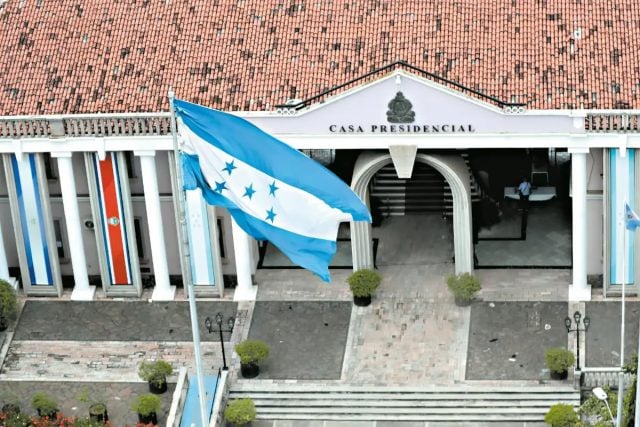
The general elections held on November 30 have left Honduras in unprecedented political limbo.
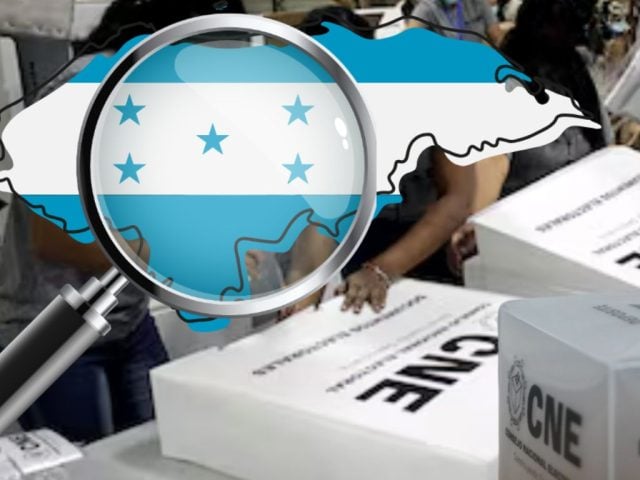
As of now, the country remains without a definitive elected President, ensnared in a close contest between Salvador Nasralla (39.47%) and Nasry Asfura (40.20%), with the vote count still under dispute.
However, amidst this situation, Global Exchange and the Center for Democracy Studies (Cespad) have released the report «Honduras in Crisis,» revealing that what is at stake transcends the ballot boxes: «We are witnessing the execution of a strategy of coercive diplomacy designed from abroad to reorder the political landscape nationally and regionally in Central America,» the report indicates.
«This analytical document dismantles the tactics of an intervention that no longer requires declarations of war, nor cannons at the borders or ships stationed in international waters, but operates through social media, economic threats, and politicized judicial decisions that disregard the minimal rule of law,» the publication states, available at globalexchange.org/honduras-bajo-asedio/.
The report highlights how the Trump administration and conservative figures in the U.S. launched a multifaceted offensive—from «tweet diplomacy» to the unprecedented pardon of convicted former President Juan Orlando Hernández—to influence the vote and favor a shift to the right.
Key Points from the Report
• A Process Compromised by Interference: The U.S. intervention was not subtle; it included threats to withdraw foreign aid and the validation of a «anointed candidate» (Asfura), altering the electoral climate and instilling fear among the Honduran electorate.
• The Cynical Trade of the Pardon: The pardon of Juan Orlando Hernández is characterized as an act of aggression against sovereignty and a mockery of the victims of the narco-state, symbolically rehabilitating actors linked to organized crime.
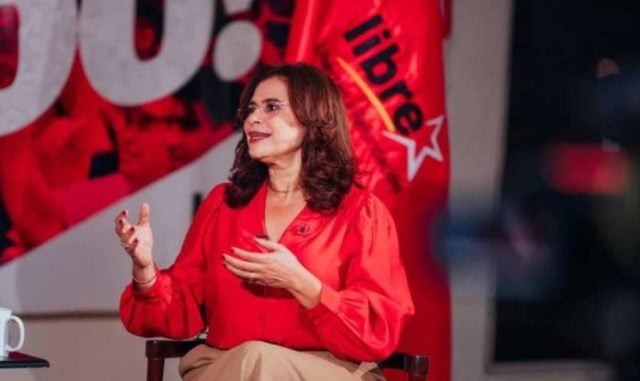
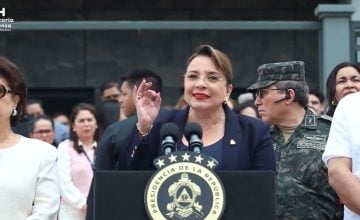
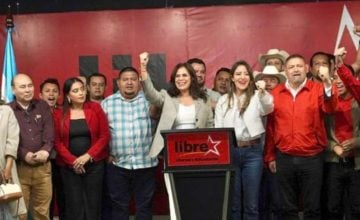
• Institutional Paralysis: The report documents the current crisis, where President Xiomara Castro has denounced an «electoral coup,» and the National Congress refuses to validate results under compromised conditions, forcing the CNE to conduct a special recount of over 2,700 ballots.
• Backslide on Human Rights: The imminent consequences of this political shift are alarming: deepening of the extractivist model, threats to women’s rights and sexual diversity, and the risk of a new wave of criminalization against land defenders.
«This report not only describes a technical fraud but also denounces the geopolitical capture of the will of the Honduran people. It is a call to the international community and social movements to understand that the sovereignty of Honduras is, today more than ever, at a critical crossroads,» concluded representatives from Global Exchange and the Center for Democracy Studies.
The Citizen
Relacionados

Honduras: Libre Party Denounces Illegitimate De Facto Government After 'Outrageous' Electoral Fraud
Hace 2 semanas