Original article: En medio de estado de excepción y con masivas protestas contra el gobierno: Cónsul chileno anunció viaje oficial de Kast a Bolivia
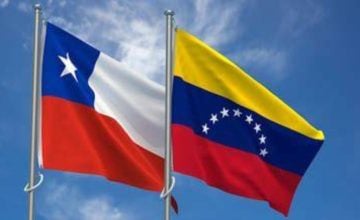
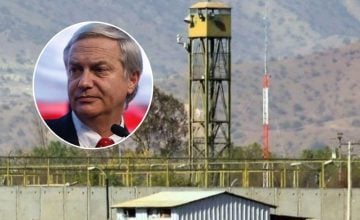
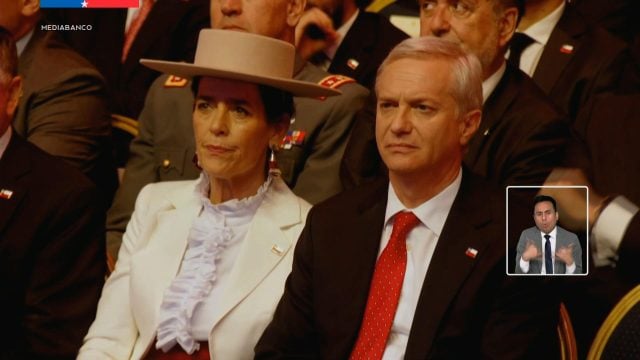
The Consul General of Chile in Bolivia, Roberto Ruiz, announced that the national President, José A. Kast, will make an official visit to the Andean country next October, marking «the first official visit by a Chilean President in decades,» said the diplomat.
Ruiz shared this information during a ceremonial event for Chile’s national holidays, attended by Bolivian officials including Ministers of Defense, Ernesto Justiniano; Government, Marco Antonio Oviedo; and the Presidency, Fernando Aramayo, along with Deputy Foreign Minister Carlos Paz and members of the diplomatic corps.
The news was reported by several Bolivian media outlets, highlighting the areas of interest expressed by the Chilean representative: «He noted that over the past six months, both countries have developed an agenda focusing on electric interconnection, modernization of the 34-year-old trade agreement, digital connectivity, mining cooperation, and technological entrepreneurship,» reported the newspaper El Deber.
Meanwhile, Bolivia’s Deputy Foreign Minister, Carlos Paz, emphasized that both nations are preparing to discuss collaborations in sectors such as health, mining, energy integration, connectivity, security, and the fight against organized crime.
Complex Situation
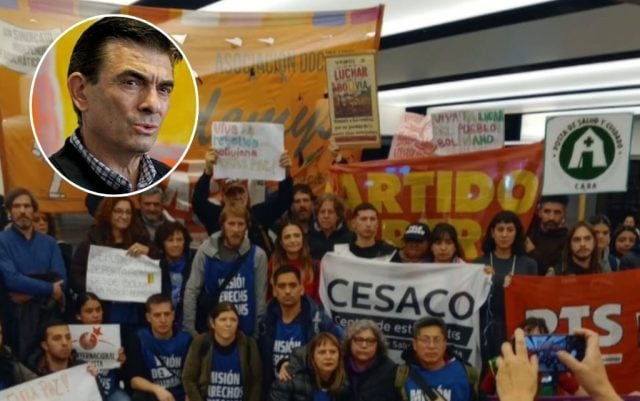
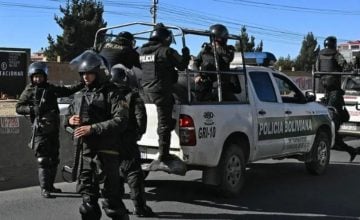
Recall that, as reported by El Ciudadano, on Thursday, September 17, the Plurinational Legislative Assembly of Bolivia approved the extension of the state of emergency in the country for an additional 90 days in response to escalating political tensions and massive protests rejecting the economic reforms of the government of Rodrigo Paz under the slogan «empty pots».
The approval came after presentations by Defense and Government Ministers, Ernesto Justiniano and Marco Antonio Oviedo.
The latter justified the request based on 12 official reports —8 from the Bolivian Police Command, 2 from the Ministry of Government, 1 from the Armed Forces, and 1 from the Ministry of Defense— warning about persistent risk factors present in all nine departments.
According to these analyses, conflict areas have been identified, particularly with a higher mobilization capacity in La Paz–El Alto (Senkata), Cochabamba–Trópico, and Santa Cruz (Puente San Pablo, San Julián, and Yapacaní), as well as in Potosí, Oruro, Tarija, Beni, and Chuquisaca. Read the complete report from El Ciudadano below:
We will continue to provide updates.
Obtén tu Pasaporte y apoya a El Ciudadano
Elimina la publicidad, accede a contenido exclusivo y sé parte de la comunidad.
Cancela en cualquier momento · Sin permanencia