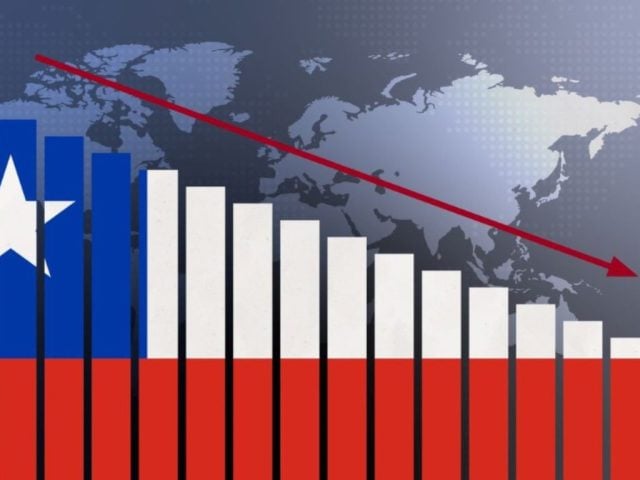
Original article: Inflación cierra 2025 en su menor nivel desde 2020: IPC de diciembre cayó 0,2%
The year ends on a positive note for consumers: the Consumer Price Index (CPI) registered a -0.2% change in December, as reported by the National Institute of Statistics (INE). With this figure, the inflation for 2025 accumulated 3.5% (with a year-on-year rate of 3.5%), marking its lowest level since 2020 — when the indicator closed at 3.0% — signaling reduced price pressure as the year concluded.
Understanding the Decline in Inflation: December’s Negative CPI Explained
The INE detailed that in December, seven out of 13 divisions of the consumer basket contributed negatively. Significant declines were observed in clothing and footwear (-3.2%) and food and non-alcoholic beverages (-0.4%), which are critical items for everyday spending. For clothing, the decrease was linked to drops in products such as men’s trousers and shirts/t-shirts. In food, certain fresh items experienced notable declines, including tomatoes (-12.4%) and seasonal fruits (-5.5%).
There were also significant decreases in services: international air transport fell by 15.9%, while the telecommunications package decreased by 4.8%, both contributing to the overall downward trend.
Understanding Inflation Reduction: Price Increases and What to Watch in January
However, not everything saw a decline. The restaurants and accommodations division rose by 0.6%, driven by increased spending in restaurants, cafes, and similar venues. Additionally, domestic air transport surged by 18.8% during the month, which highlights seasonal price fluctuations.
Nonetheless, December’s data — with a monthly decrease and 2025 closing at 3.5% — presents a positive sign: the decline in inflation is starting to be felt across multiple sectors, particularly in fresh foods, clothing, and certain services. The challenge moving forward is that this relief translates into a lower cost of living for households of varying income levels across the country.
Check the INE Statistical Bulletin on the CPI
Relacionados
Zero Inflation in October: Consumer Price Index Stands at 0.0% Monthly and 3.4% Annually, the Lowest Since 2021
Hace 3 meses
Central Bank of Chile Reports Faster-Than-Expected Inflation Decline, Targeting 3% by Early 2026
Hace 2 meses
Milei's Economic Recipe Falters: Inflation Hits 2.5% in November, Food Prices Surge, No Relief in Sight for 2026
Hace 2 meses
Inflation Figures in Question: Director of Argentina's INDEC Resigns Amid Allegations of Statistical Manipulation
Hace 2 semanas