Original article: Corte Penal Internacional rechazó «categóricamente» las sanciones impuestas por el Gobierno de EEUU
International Criminal Court Firmly Rejects US Sanctions on Judges and Prosecutors
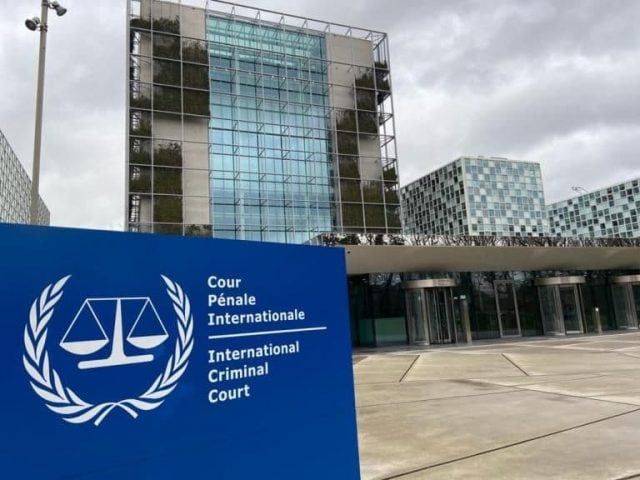
The International Criminal Court (ICC) has strongly rejected the recent sanctions imposed by the Trump administration against several judges and prosecutors. This action was described as a «flagrant attack on the independence of an impartial judicial institution.»
The ICC warned that such measures «not only threaten the international rule of law but also directly impact victims who turn to the Court after exhausting all other avenues.»
Furthermore, UN Secretary-General António Guterres joined in the condemnation, stating that Trump’s actions endanger the Court’s ability to fulfill its mandate and deliver a significant blow to international criminal justice.
Guterres urged all nations to uphold their legal commitments and support accountability for the most serious crimes.
In a related response, the UN High Commissioner for Human Rights, Volker Türk, described the US sanctions as «unacceptable» and called for their immediate withdrawal. Meanwhile, ICC President Tomoko Akane condemned the measures, asserting they intend to obstruct justice and intimidate those working with the Court.
Akane emphasized that she would continue to carry out her mandate with independence and impartiality, relying on law and evidence: «The Court will not be intimidated,» the Japanese jurist declared.
These Are Not the First Sanctions
The Trump administration previously imposed sanctions on 9 of the 18 ICC judges, two deputy prosecutors, a former prosecutor, and a staff member.
Among those sanctioned are Court President Tomoko Akane (Japan) and Chief Prosecutor Abdoulaye Seye (Senegal).
Earlier, Washington had also sanctioned judges Kimberly Prost (Canada) and Nicolas Guillou (France), as well as deputy prosecutors Nazhat Shameem Khan (Fiji) and Mame Mandiaye Niang (Senegal).
The ICC has reiterated that such measures «undermine the rule of law» and that «when judicial actors are threatened for enforcing the law, it is the legal international order that is at risk.»
What Are the Sanctions?
Secretary of State Marco Rubio announced the sanctions on Friday, October 9, just after the Nobel Peace Prize was awarded to South African jurist Navi Pillay, a former ICC judge.
«We will prohibit transactions with this rogue court, cutting off their resources and paralyzing their ability to operate against us,» Rubio stated in a video shared on social media, reiterating that «the United States and the American people are not subject to the jurisdiction of this false ICC.»
Specifically, the imposed sanctions prevent the ICC from accessing financial services based in the US, technology companies, and even the use of US dollars.
Additionally, a six-month deadline has been established for businesses and individuals in the US conducting business with the Court to «reduce and cease those activities.»
We will continue to provide updates.
Obtén tu Pasaporte y apoya a El Ciudadano
Elimina la publicidad, accede a contenido exclusivo y sé parte de la comunidad.
Cancela en cualquier momento · Sin permanencia