Original article: ¿Impunidad? Kaiser no descarta indultar a hombre de 80 años condenado por violación de menores
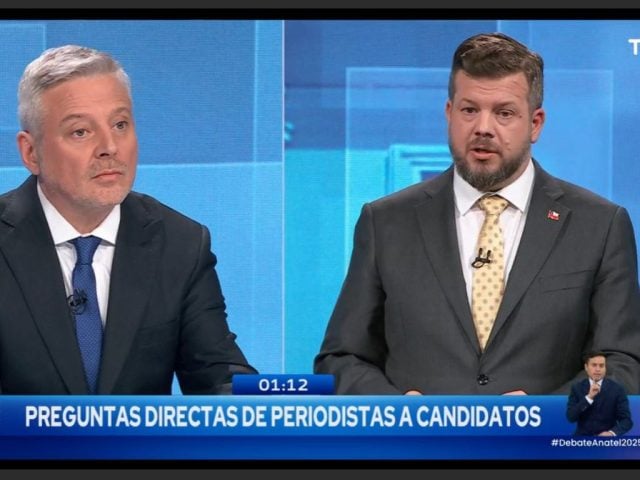
Impunity? In the presidential debate hosted by ANATEL on November 10th, Johannes Kaiser acknowledged that he would consider granting a humanitarian pardon to an 80-year-old man convicted of child sexual abuse if he is terminally ill or bedridden. This response came during a hypothetical question posed by journalist Juan Manuel Astorga and extends the criteria he advocates for prisoners at Punta Peuco, igniting a discussion on the limits of pardon policies, victims’ rights, and the risk of impunity.
The Exchange That Raised Concerns
During the segment led by Juan Manuel Astorga, the journalist asked:
— Would you grant a pardon to an 80-year-old child abuser?
Kaiser responded:
— Obviously, if he poses a danger to society, no. But if he is terminally ill and confined to a bed, what sense does it make to keep him in a correctional facility? That makes no sense.
Earlier, when asked if he would extend his age criteria to other prisoners, he mentioned there was a project approved by the Senate’s Human Rights Committee (with a threshold of 70 years) and added:
— We must take responsibility for our obligations […] at the international level […] regarding the treatment of elderly individuals in prison.
Connections to Punta Peuco
Kaiser’s stance aligns with his pledge to review/grant benefits to convicted prisoners at Punta Peuco for crimes against humanity, based on the arguments of advanced age and humanitarian criteria. Following the government’s announcement to convert Punta Peuco into a common prison, he has insisted on “closing chapter 73–90” and exploring options for elderly inmates.
The critical point is that the standard invoked (age, terminal illness, “no danger”) extends beyond the scope of dictatorship crimes and reaches serious sexual offenses—such as child sexual abuse—when these conditions are met.
Why This Matters
- Precedent: applying the same criteria to crimes against humanity and sexual offenses prompts a discussion on the boundaries and consistency of pardon policies.
- Victims’ Rights: organizations warn that humanitarian decisions must consider truth, reparation, and guarantees of non-repetition, especially in cases of crimes against humanity and child sexual violence.
- Criminal Policy Signal: in a country debating effective sentences, recidivism, and a focus on victims, Kaiser’s position marks a shift towards granting benefits based on age or health status, rather than by type of offense.
Artículos Relacionados

Influencer Jorge Matter Faces Preventive Detention on Charges of Child Sexual Exploitation and Abuse
Hace 3 meses
Intense Backlash Against Donald Trump Over Pardoning Convicted Drug Trafficker Sentenced to 45 Years
Hace 4 meses
Captain Found Guilty of Killing Romario Veloz During Social Unrest May Be First to Receive Pardon from Kast
Hace 2 semanas
Family Lawyer of Romario Veloz Warns Kast: Pardons for Military Members Would Signal "Absolute Impunity"
Hace 3 días