Original article: 30 de julio de 2026: La Tierra entra en Sobregiro Ecológico mientras aumentan los eventos climáticos extremos
July 30 will mark the day when Earth is projected to enter ecological overshoot in 2026. What does this mean? It signifies the moment when humanity has consumed all the natural resources that the planet can regenerate in a single year.
This equates to utilizing resources at a rate that would require 1.73 Earths.
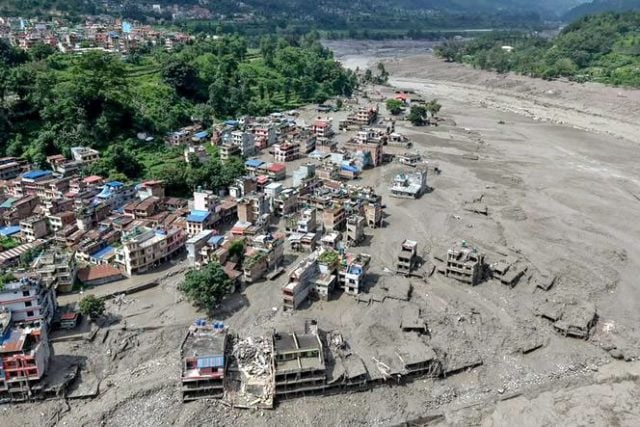
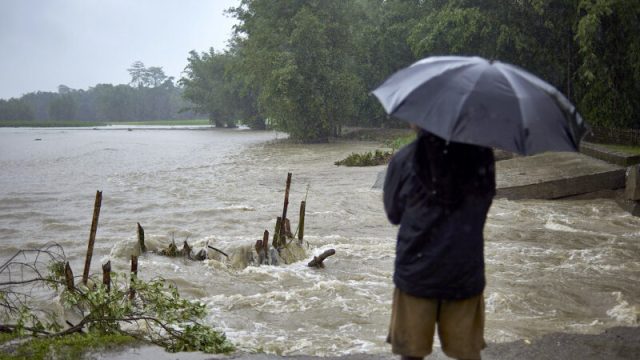
This milestone coincides with a backdrop of extreme weather events impacting various parts of the globe. In Chile, the international organization WWF has urged attention to the root causes of the current environmental and climate crisis.
«This indicator not only reflects growing pressure on ecosystems but also serves as a warning regarding its consequences for people and territories. When we deplete nature, we lose part of our best defense against the impacts of climate change. Nature protects us, but we are overexerting it,» warned WWF.
They added that this overexploitation has increasingly tangible consequences, «such as deforestation, soil degradation, biodiversity loss, accumulation of carbon dioxide in the atmosphere, and the rise of extreme weather events, also jeopardizing food security and people’s well-being.»
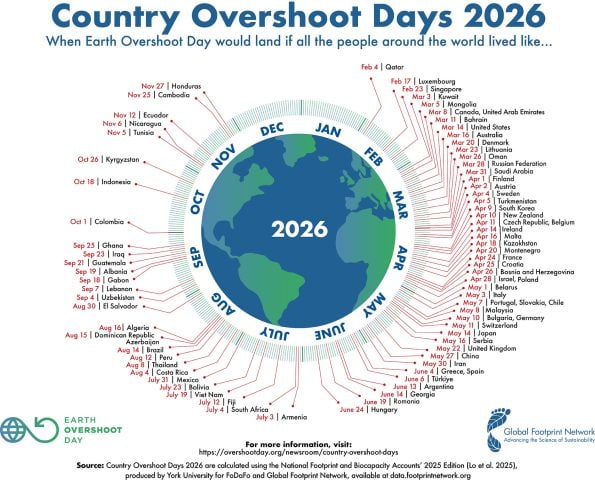
«The situation in Chile exemplifies this reality. This year, the country’s Overshoot Day occurred in May, marking one of the earliest recorded instances. This means that if the entire global population consumed resources at the same rate as Chile, the resources available for the year would have been depleted by the end of the fifth month,» the NGO warned.
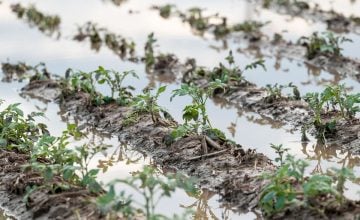
«The recent storms, which impacted regions from Atacama to Biobío, resulting in fatalities, missing persons, thousands displaced, and isolated communities, illustrate the country’s growing exposure to extreme weather events. While it’s not possible to attribute a specific phenomenon to ecological overshoot, both are part of the same crisis: a climate and nature loss crisis that is weakening ecosystem resilience and increasing community vulnerability,» they emphasized.
According to Uri Colodro, WWF Chile’s Climate Change and Cities Coordinator, the response to the current landscape «shouldn’t focus on trying to control nature but rather on working alongside it, strengthening ecosystems that protect people and better preparing for a future where these events will become more frequent.»
In this context, the organization stressed that while addressing the urgent needs arising from this emergency, it is crucial to continue advancing in reducing greenhouse gas emissions and accelerating adaptation measures.
This entails enhancing land-use planning, effectively implementing Regional and Community Climate Action Plans, strengthening early warning systems, and promoting land management that reduces communities’ exposure to floods, landslides, and other climate-related risks.
«For WWF Chile, Nature-based Solutions are a vital tool to face these challenges. Ecosystems like wetlands, native forests, and healthy riverbanks serve as critical natural infrastructure capable of storing water during heavy rains, cushioning floods, facilitating groundwater infiltration, and reducing risks for people,» they highlighted.
Additionally, measures such as watershed restoration, recovery of urban green areas, and the creation of floodable parks, pocket forests, and similar initiatives enhance traditional infrastructure and strengthen the resilience of cities and territories.
The organization also noted that Earth Overshoot Day represents an opportunity to reflect on how natural resources are utilized. Restoring ecosystems, conserving biodiversity, advancing decarbonization, and promoting sustainable land management not only address environmental responsibilities but also bolster society’s capacity to confront the mounting impacts of the climate crisis.
The Worst Date
Earth’s ecological overshoot, projected for July 30, has been determined using the National Accounts of Ecological Footprint and Biocapacity (2026 edition), based on complete data up to 2023 and estimates for 2024, 2025, and 2026.
This indicates that for nearly five months of the year, the global economy will rely on the use of natural capital that the planet cannot replenish at the demanded rate. In other words, humanity is consuming nature 73% faster than it can recover.
Although Earth Overshoot Day in 2026 occurs six days later than recorded last year, this does not indicate an environmental improvement. The difference is primarily attributed to a methodological update that increased the oceans’ capacity to absorb carbon, pushing the date back by eight days.
However, the actual degradation of ecological conditions moved it forward by two days. As a result, GFN noted that 2026 continues to record the highest level of ecological overexploitation ever observed.
Obtén tu Pasaporte y apoya a El Ciudadano
Elimina la publicidad, accede a contenido exclusivo y sé parte de la comunidad.
Cancela en cualquier momento · Sin permanencia