Kast Administration Approves Extraction of 225 Liters Per Second of Brine in Atacama Salt Flat, a Project Rejected by Bachelet, Piñera, and Boric Four Times

In its fourth session, the Kast administration’s Ministerial Committee granted environmental approval to the Errázuriz Group’s Potassium Salts Plant project, initially proposed in 2008, which had faced rejections from four consecutive administrations, as reported by The Clinic.
This time, the committee, led by Environment Minister Francisca Toledo, approved the request from the project holder for the Potassium Salts Production Plant, SLM NX Uno, located in the Antofagasta Region, granting it a favorable environmental impact assessment. «The initiative, which involves an investment of US$43.2 million, aims to recover potassium salts from explorations in the western part of the Atacama Salt Flat to achieve an annual production of 200,000 tons of potassium chloride,» as stated in the official announcement cited by the media.
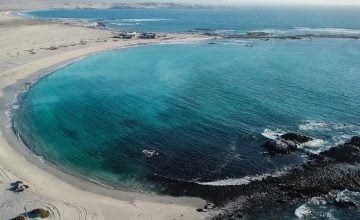
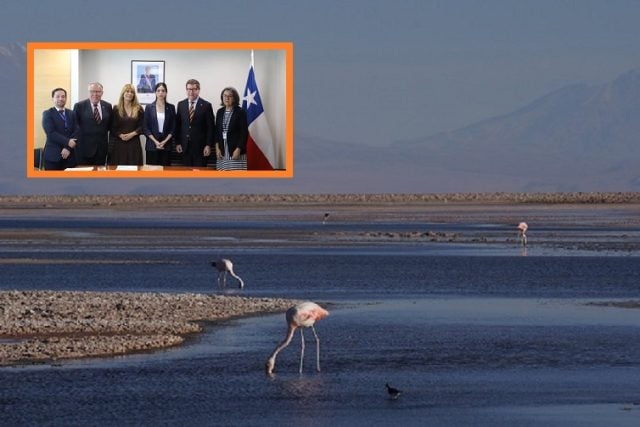
The project seeks to extract 225 liters per second of brine from the eastern sector of the Atacama Salt Flat. It was initially rejected in 2012 by regional authorities during Sebastián Piñera’s government, and again in 2017, also at the regional level, under Michelle Bachelet’s administration due to insufficient technical evidence regarding its environmental impacts. Subsequently, in 2021, an administrative appeal presented during Piñera’s second term was also dismissed. However, in 2023, the Antofagasta Environmental Court overturned previous decisions and in August 2025, under Gabriel Boric’s government, the Environmental Evaluation Commission (Coeva) once again unanimously rejected the project, as reported by The Clinic.
In addition to this project, the Ministerial Committee approved an initiative for controlling flood risks and managing liquid flows in the Quebrada de Ramón in the Metropolitan Region, proposed by the Ministry of Public Works. This initiative includes seven retention basins (860,650 m³) and six dynamic meshes to mitigate flow rates, with an investment of US$76.5 million.
The Ministerial Committee consists of the Environment Minister as president, along with the heads of the Health, Economy, Development and Tourism, Agriculture, Energy, and Mining departments, as outlined by SEA.
Obtén tu Pasaporte y apoya a El Ciudadano
Elimina la publicidad, accede a contenido exclusivo y sé parte de la comunidad.
Cancela en cualquier momento · Sin permanencia