Original article: Gobierno de Kast pone en pausa protección de salares claves para la biodiversidad de Chile
The safeguarding of salt flats in Chile is currently in a precarious state. Just over two years after the announcement of the Protected Salt Flats Network—one of the key environmental components of the National Lithium Strategy proposed in 2024—the new administration led by José Kast has revoked six decrees that established protections for these vital ecosystems.
This initiative, which was introduced during Gabriel Boric’s presidency, aimed to protect 27 salt flats located throughout northern Chile, backed by technical studies conducted by the University of Antofagasta, along with public and indigenous consultations.
This process represented an unprecedented effort to protect highly fragile ecosystems from the expanding lithium mining industry, but unfortunately, it has been left incomplete, leaving its progress suspended under the new administration.
New Protection Measures
In November 2025, the Ministry of the Environment made a crucial move by approving the creation of six protected areas in the Atacama Region, aimed at safeguarding ten salt flats.
Notably, this included introducing a new protection category—the Virgin Region Reserves—designed to preserve pristine ecosystems without human interference, setting a precedent in the country’s environmental policy.
However, the supreme decrees that formalized these areas, which were in process at the National Comptroller’s Office, were withdrawn by the current government for «review,» a decision that delays their implementation and raises uncertainty regarding the continuity of established conservation policies.
The situation is even more uncertain in the Antofagasta Region. In March 2026, the Council of Ministers for Sustainability approved the creation of another six protected areas covering eleven salt flats. Nevertheless, these decrees were never signed, leaving the process incomplete and without submission to the Comptroller’s Office. Today, clarity regarding whether the Kast administration will resume or discard these commitments is non-existent.
The assessment is troubling: of the 27 prioritized salt flats in 2024, only ten in the Atacama region are pending protection if the government reviews and approves them for acknowledgment by the Comptroller’s Office.
Meanwhile, eleven salt flats in Antofagasta are only approved by the Council of Ministers without their decrees, making it unclear if the new administration will acknowledge and respect the processes undertaken for their establishment.
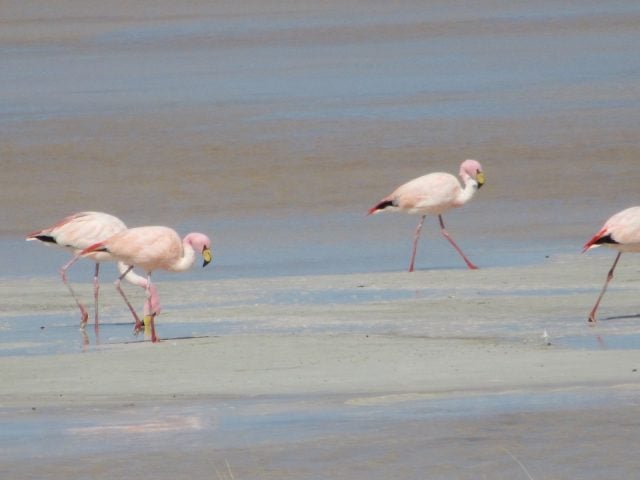
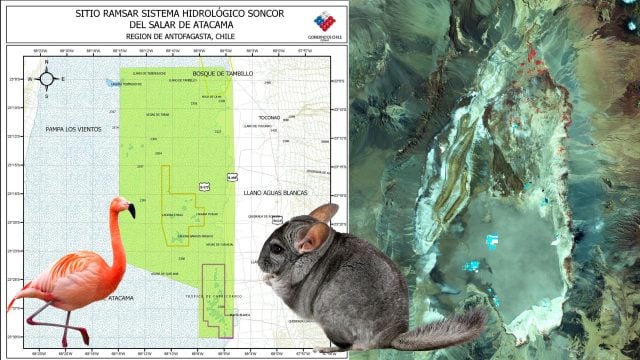
Ultimately, six salt flats were not protected, including the Soncor Hydrological System in the Atacama Salt Flat and the Maricunga Salt Flat, which hosts three flamingo breeding colonies. Most of these unprotected salt flats underwent public consultations; however, the previous administration did not advance their protection.
Uncertainty
In this context, it would be crucial to reintroduce the six decrees of the protected areas in Atacama for acknowledgment by the Comptroller’s Office, ensure the supreme decrees for the protected areas in Antofagasta are signed, and complete the protection of the six salt flats that remain unprotected.
The mounting pressure on the salt flats from the expanding lithium industry—heralded as a strategic pillar of economic development—threatens these ecosystems and necessitates not rolling back progress in biodiversity conservation.
CMN: Council of Ministers for Sustainability and Climate Change
CGR: National Comptroller’s Office
Source: Chile Sustentable
Artículos Relacionados

Fragile Progress and Silent Setbacks: The Harsh Environmental Assessment of 2025 in Chile
Hace 3 meses
Could Kast Dismantle Environmental Regulations in Chile? Warnings from Scientists and Conservation Organizations
Hace 4 meses
Indigenous Communities in Northern Chile Advocate for Environmental Justice Amid Lithium Mining Expansion
Hace 3 semanas