Original article: Gobierno de Kast sale al rescate del negocio de los Piñera: SEA apelará fallo que ordenó consulta indígena
The government of José Antonio Kast has announced that the Environmental Assessment Service (SEA) will appeal the ruling that voided the approval of a real estate project backed by the Piñera Morel family in the Los Ríos region, which mandated an indigenous consultation.
The presidential delegate and head of the Environmental Evaluation Commission, Vicky Carrasco, confirmed to BioBío Chile that the SEA will appeal to the Supreme Court against the decision made by the Valdivia Court of Appeals.
«The SEA will indeed file an appeal (to the Supreme Court), therefore, since there is an open judicial process, I cannot comment further on the matter, but the necessary appeal will be made,» the official stated to the aforementioned media.
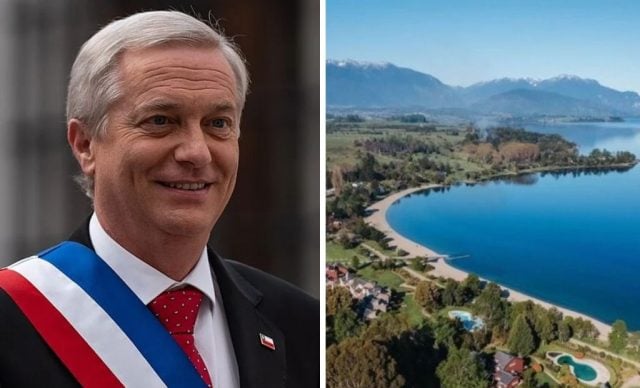
The project being developed in Bahía Coique by Inmobiliaria Arenas Blancas, a company linked to the children of former president Sebastián Piñera, involves the construction of over 200 vacation homes by the shores of Lake Ranco.
Last August, the Environmental Evaluation Commission gave its unanimous approval to this initiative, dismissing warnings from residents about the environmental impact on the lake that supplies them with drinking water.
In response to this situation, the Isla Huapi indigenous community filed a protection appeal that the Court of Appeals ruled in their favor, annulling the resolution that had favorably assessed the project and requiring an indigenous consultation to be initiated.
The appellate court determined that the evaluation process overlooked Article 6 of the ILO Convention 169, which mandates consulting indigenous peoples about measures that directly affect them, deeming the authorization of the project in Bahía Coique as illegal.
The ruling indicated that the Commission admitted to excluding this community, justifying its decision by noting it had conducted two instances of public participation and analyzed the area without finding cultural manifestations, rituals, or ancestral uses in the region.
Furthermore, the Commission stated that a technical report ruled out the possibility that the wastewater treatment plant’s effluent would contaminate the lake, which is the only water source in the area due to the lack of a rural drinking water network, according to the municipality of Futrono.
This version contradicts the claims made by the communities, which have even filed over fifteen complaints to the SEA in an effort to halt the real estate initiative of the Piñera Morel family.
.
Obtén tu Pasaporte y apoya a El Ciudadano
Elimina la publicidad, accede a contenido exclusivo y sé parte de la comunidad.
Cancela en cualquier momento · Sin permanencia