Original article: Se sepulta la última oportunidad de aprobar Sala Cuna Universal bajo el Gobierno de Boric
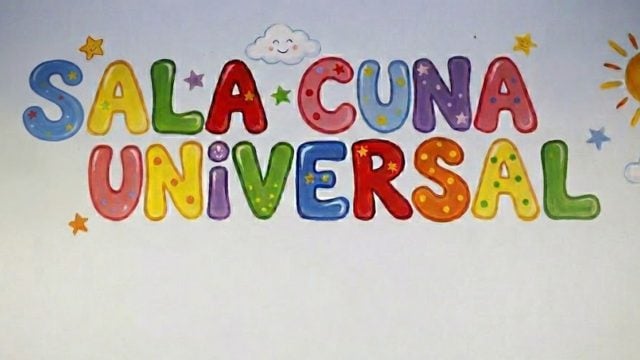
The Senate has removed the Universal Crèche project from its final agendas for this week, leaving the emblematic social promise in the hands of José Kast.
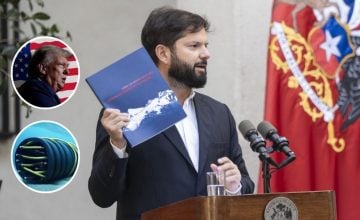
During the Congressional session held on Monday, senators decided not to include the Universal Crèche project in the last debates before the change in administration. Despite President Gabriel Boric’s desperate call for an extraordinary session, the opposition shut the door on any further consideration before March 11.
On March 1, the current president urged that «we need to pass the crèche project this week for Chile. It can happen, it depends on political will,» attempting to push through a vote that ultimately will not take place. Boric accused the UDI of engaging in a «political maneuver» to prevent his administration from achieving this social advancement, directly critiquing the actions of parliamentary committees.
The last opportunity vanished after the Education Committee, led by Senator Gustavo Sanhueza (UDI), failed to call a timely session due to a trip to Panama. This was deemed by La Moneda as an «invented excuse» to delay the process and ensure that the benefit would be promulgated and signed under the next republican government.
Members of the Socialist Party acknowledge that it is «practically impossible» to reverse the legislative calendar in the few remaining days of the current administration. Senator Juan Luis Castro expressed disappointment that the right-wing opposition did not approve the technical agreement, stating that their strategy was to suffocate administrative timelines until a vote in the chamber became unviable.
In defense of the project’s exclusion, the UDI argued that the government attempted to legislate «hastily» after keeping the initiative dormant for two years in Congress. They assert that the current design has funding flaws and that they will not allow a «smoke bomb» to cover the controversies marking the end of the administration.
With Congress now focused on the transfer of power, the Universal Crèche project is officially postponed until Kast’s presidency. The future ruling party is already celebrating that it will be the republican leader who makes the final adjustments to the law, stripping Boric of what would have been one of his most significant legacies for working women.
This defeat marks the end of La Moneda’s social agenda, which failed to break the opposition’s blockade. Now, the fate of fiber optics and childcare depends on the new government, leaving Gabriel Boric’s administration with a promise that, despite efforts, will not come to fruition.
Relacionados


Boric Abruptly Ends Meeting with Kast After 22 Minutes: Denounces "False" Claims Regarding Chinese Cable
Hace 22 horas

National Strike in Argentina: Major Labor Union Calls to Halt the Country Over Milei's Labor Reform
Hace 2 semanas