Original article: La izquierda toma el timón en Perú: José María Balcázar asume como presidente interino con apoyo de Perú Libre
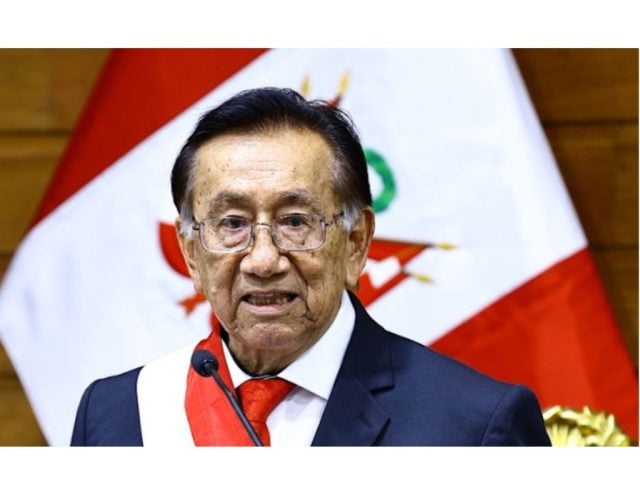
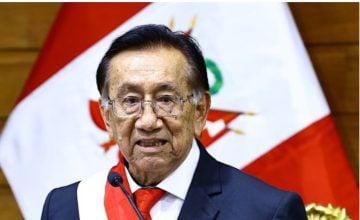
Peru has once again changed leadership, this time with the reins firmly in the hands of the left. Congressman José María Balcázar has stepped in as interim president following the removal of José Jerí by Congress amid another episode of political turmoil.
The backing of Peru Libre, a party that identifies as Marxist-Leninist, was crucial in the vote that appointed him as interim president.
Balcázar’s swearing-in comes as the country shifts into “operation continuity”: the immediate objective is to sustain government operations and move forward with the already scheduled electoral process. According to Reuters, his interim term is set to lead up to general elections on April 12, with the current presidential period concluding on July 28, and a possible second round in June if no candidate surpasses 50%.
José María Balcázar as Interim President of Peru: Arriving Amid Conflicts
Balcázar, who is 83 years old, was elected by Congress in a second-round vote, prevailing over right-wing candidate María del Carmen Alva in a fragmented political landscape where inter-party negotiations were essential.
It is noteworthy that with his election, Peru has now had eight presidents since 2018, reflecting a long-standing instability that complicates any attempt at effective governance, even for a transitional administration.
José María Balcázar as Interim President of Peru: What’s Ahead in the Transition
In his first address, Balcázar aimed to project a sense of control and conviction. «Governing a country is not difficult,» he stated, reiterating the need to «rewrite Peru’s history.» He asserted that it is feasible to establish a genuine democracy because, as he noted, «it’s not working,» and if it doesn’t correct itself, it will «disappear.»
The challenge, however, lies on difficult ground: tensions among political forces, an immediate agenda focused on security and reforms, and the necessity to maintain the legitimacy of the electoral process. In other words, a short-lived government, with little room to maneuver and plenty of noise, where each decision could spark another crisis.
Relacionados
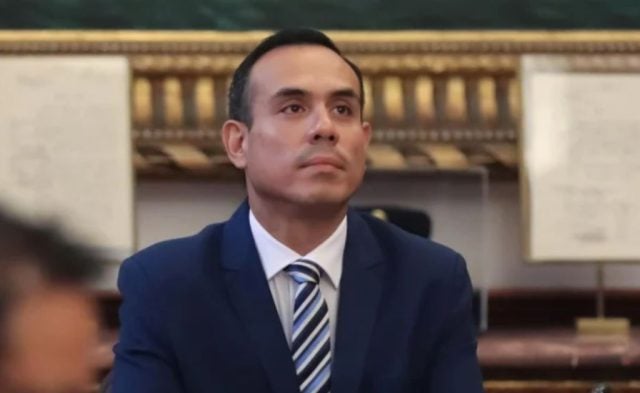
Peru: Congress Set to Choose New President Following Interim Leader José Jerí's Dismissal Amid Political Instability
Hace 23 horas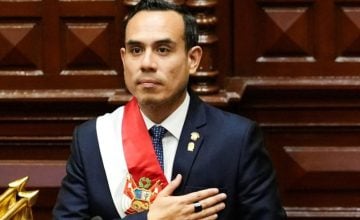
Peru's Interim President José Jerí Removed After Just Four Months Amid Influence Peddling Allegations
Hace 2 días
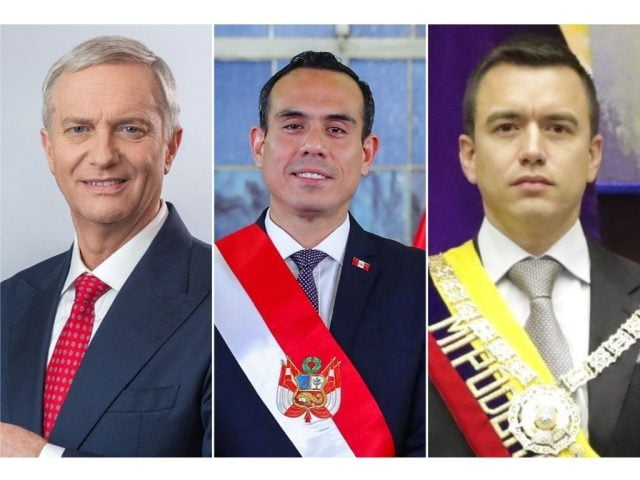
La izquierda toma el timón en Perú: José María Balcázar asume como presidente interino con apoyo de Perú Libre
Hace 43 segundos