Original article: Menos carne, mismo precio: ODECU detecta faltantes de hasta 33,6 gramos por bandeja en supermercados
Less Meat, Same Price: ODECU Discovers Missing Up to 33.6 Grams Per Tray in Supermarkets
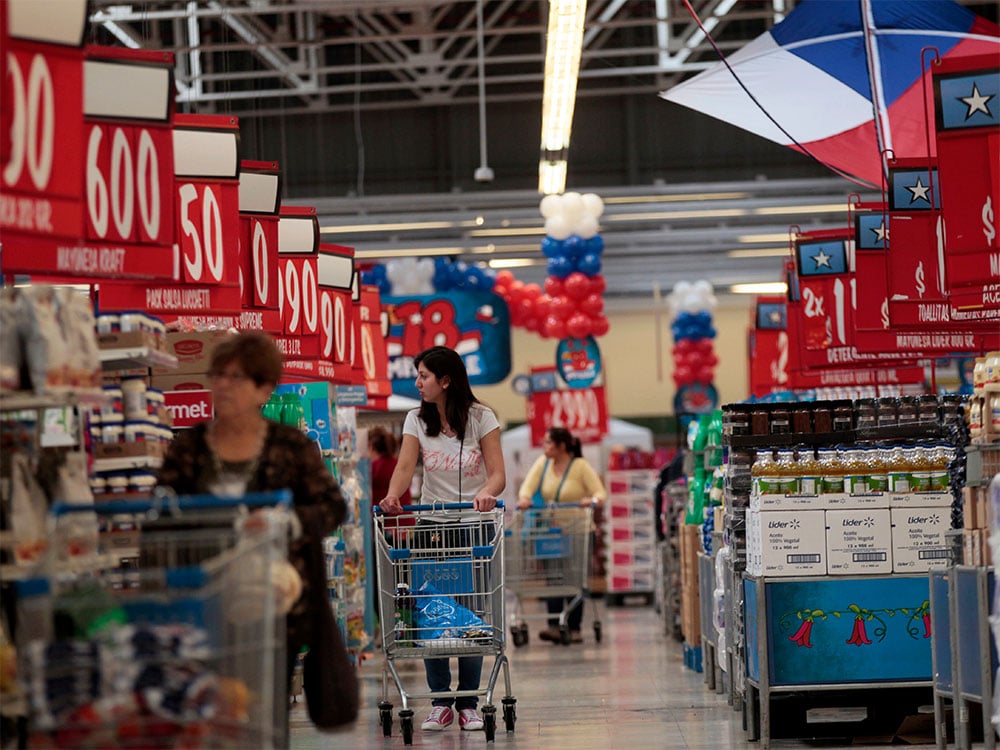
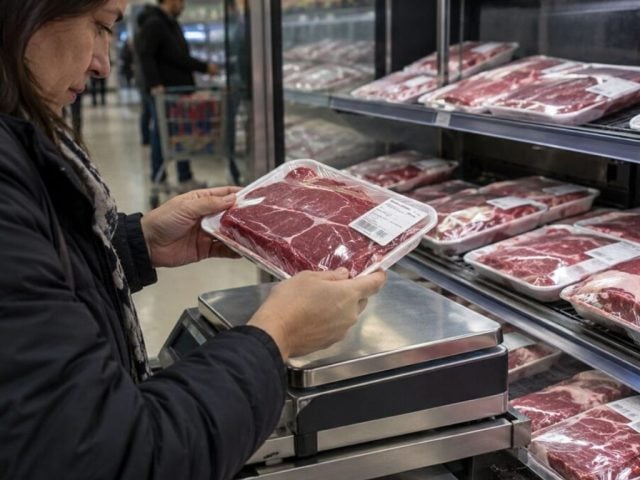
A study by the Consumers and Users Organization of Chile (ODECU) revealed that seven trays of beef sold at the Tottus Kennedy supermarket in Las Condes contained between 4.7% and 7.9% less product than declared on their labels, falling below the acceptable minimum applied.
The investigation, conducted with funding from the Competitive Fund for Consumer Associations of SERNAC, verified the weight of 34 beef units in the Metropolitan Region—26 in trays and eight vacuum-packed—purchased from Jumbo, Líder, Tottus, and Unimarc, subjecting the samples to weight testing in a contracted laboratory.
The unacceptable results were concentrated in three cuts: pink post steak, tenderloin steak, and marbled tenderloin medallion. The missing weights ranged between 29.27 and 33.62 grams per tray, with an average close to 30.8 grams. When valuing these differences according to the reported price per kilogram, the estimated direct economic impact ranged from $439 to $615 per unit, averaging around $535.
The most striking case proportionally was a tray of tenderloin steak that declared 425 grams but was registered by the laboratory at 391.38 grams. The missing 33.62 grams represented a 7.9% deficit, with an estimated economic difference of $554, the largest proportional weight deficit among the samples examined.
In contrast, the highest financial loss was identified in a tray of marbled tenderloin medallion that advertised 510 grams but contained 478.42 grams; at a price of $19,490 per kilogram, the missing 31.58 grams amounted to about $615.
These discrepancies directly impact the relationship between what consumers pay and what they receive. In packaged meats, the declared weight provides information on the purchased amount, allows comparison of alternatives, and evaluates cost; if the actual content is less, the money spent corresponds to a greater nonexistent quantity of meat than what is actually delivered.
In this context, Nut Espinoza, a food engineer and ODECU advisor, explained that «the label is the primary reference a person has to know how much meat they are buying. If they receive less product than the tolerances allow, their finances are directly affected. Supermarkets need to ensure that the reported weight corresponds to the net content and that their controls detect these situations before sale.»
Conversely, the seven units examined from Jumbo, Líder, and Unimarc were classified as acceptable based on the criteria used. No unacceptable results were found in the samples from other Tottus locations included in the study: Cerrillos, La Cisterna, Puente Alto, and Providencia.
The report also illustrates the potential economic magnitude of these discrepancies if they occurred frequently. If the estimated average loss of $535 per tray were replicated across 100 units, it would total around $53,500; in a scenario of 1,000 affected trays weekly, it would rise to approximately $535,000, and in 4,000 units per month, it would exceed $2 million. However, these figures represent hypothetical scenarios constructed from the average of the seven unacceptable trays, and do not signify verified total losses or confirmed sales from the establishment, as the study lacks data to establish how many units might be affected or the frequency of the discrepancies.
In light of this situation, ODECU has recommended strengthening controls on weighing, portioning, and labeling, ensuring that the declared weight matches the net content of the product, and improving traceability between weighing, label printing, and sale through records that allow the identification of discrepancies and document their correction.
Traceability from Weighing to Sale
The study did not determine the cause of the detected differences, but the organization indicated that it is necessary to ensure traceability from weighing to sale.
«Consumers should not have to bring a scale to the supermarket to verify they receive what they pay for. This verification must be guaranteed by the supplier’s controls. We need traceability from weighing to sale so that discrepancies are detected and corrected before they reach consumers’ wallets,» stated Stefan Larenas Riobó, president of ODECU, as cited in a press release.
The review also noted differences in the terms used to report quantity, such as «net content», «weight», «amount», and «weight/piece», which in certain samples could hinder understanding and comparison between products.
Therefore, ODECU insisted on the need to promote uniformity in terms and clear, consistent, and verifiable information that facilitates informed purchasing decisions.
The organization urged consumers to check the weight and price per kilogram indicated on labels and, if there are doubts about the quantity received, to request a verification from the establishment, keeping the label and purchase receipt to support any inquiries or claims.
Obtén tu Pasaporte y apoya a El Ciudadano
Elimina la publicidad, accede a contenido exclusivo y sé parte de la comunidad.
Cancela en cualquier momento · Sin permanencia