Original article: Desde La Araucanía: Cine mapuche inicia rodaje de 4 cortometrajes de ficción y documental
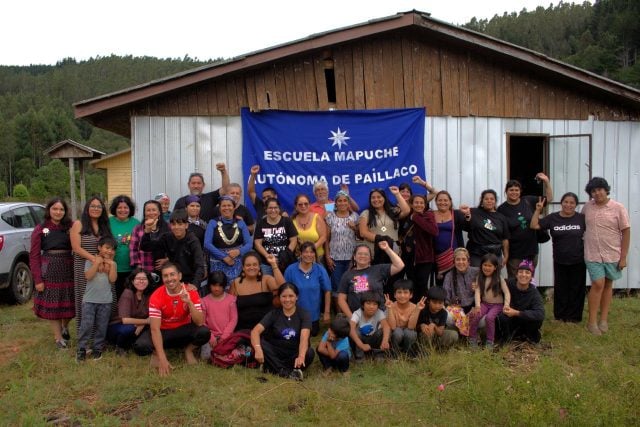
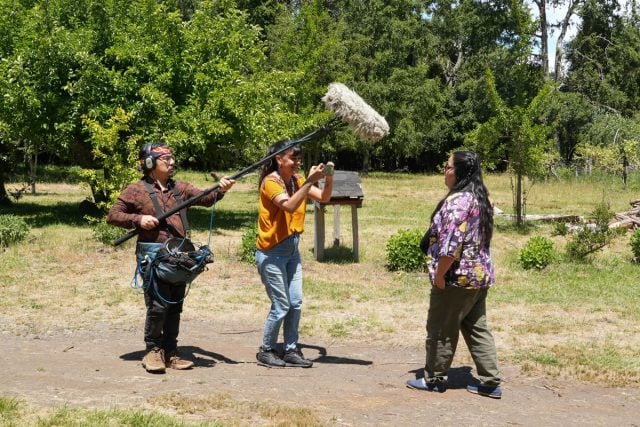
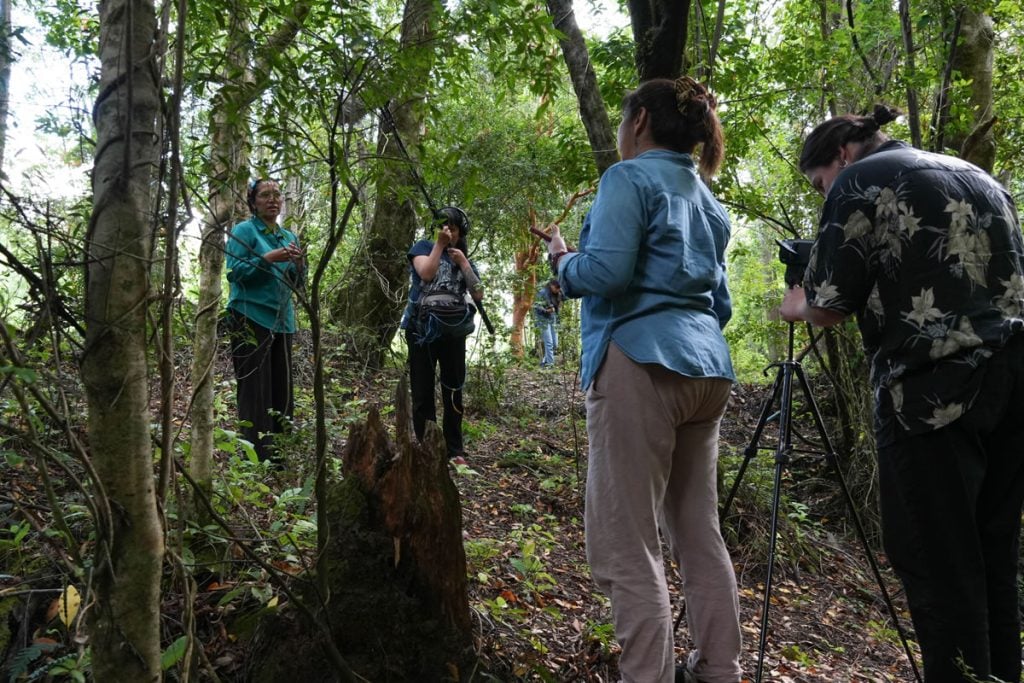
The Kelluwün Foundation, dedicated to indigenous cinema and arts, has commenced the production of four short films, both fictional and documentary, as part of the «Semillero Kelluwün» initiative. This program focuses on training in indigenous cinema and communication, which will be implemented in the second half of 2025 from Temuco.
This initiative has provided comprehensive training for 21 young Mapuche individuals with no prior professional experience in filmmaking.
The «Semillero» received nearly 50 project ideas from various regions of Chile (including Lonquimay, Traiguén, Temuco, Padre Las Casas, Carahue, Isla Mocha, Curarrehue, and Osorno) as well as from Argentina (Neuquén and Junín de Los Andes). After a selection process, 17 projects and 21 participants were chosen.
During this training period, participants developed their ideas and scripts while enhancing their technical and narrative skills. This educational process was guided by Claudia Huaiquimilla for fiction scripting, Karin Cuyul for non-fiction scripting, and Gabriela Sandoval for executive production.
Additionally, the program included masterclasses led by national and international cinema experts, such as David Hernández Palmar, Wayú producer; Marika Kozlovska, market strategy advisor; Antonio Caro, fiction film director; Hardy Cotal, filmmaker and sound technician; Melisa Ulloa, editor; and Cecilia Araneda and Francisca Durán, experimental filmmakers from Canada.
Jeannette Paillán, coordinator of the Foundation, remarked that «kelluwün (mutual aid) is the foundation of this process. Training is crucial for young Mapuche individuals to strengthen their self-representation in indigenous cinema. These spaces allow new voices to emerge and tell their own stories from their territories,» she stated.
First Film Shoot: «Wallmey»
The first filming will take place in mid-February in the Mapuche community of Zanküll, near Carahue, in the La Araucanía region, featuring the fiction short film «Wallmey.»
This film is directed by Mankekura Toro Ancavil, a kimelfe (teacher) and musician, and produced by Likanrayen Toro Ancavil, a ngurekafe (weaver) and photographer, both from Temuco, with executive production by Kelluwün Media.
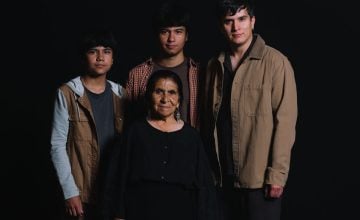
«Wallmey» depicts the life of a young Mapuche woman weaver who navigates her daily life in the countryside in solitude alongside her children during the 1960s.
Through her daily interaction with the witxal (loom), the protagonist channels emotions, stories, and songs tied to her individual and collective memories, marked by experiences of dispossession, poverty, the burning of her ruka (home), and forced displacement.
Documentary Projects
From Puelmapu, Argentina, eastern Mapuche territory, Ailin Piren Huenaiuen, an intercultural facilitator and Mapuche communicator, directs the non-fiction project titled «Ñimikan,» with production by Mayra Chapochnickoff, a social psychologist and photographer.
«This project aims to highlight the political roles of women during the 1980s and early 1990s amid the Mapuche people’s struggles for recognition,» explained Huenaiuen.
Another documentary project is «Tuwün,» presented by visual artist Kiyen Clavería from Llancacura, Osorno. Through various voices, this short film conveys the human and spiritual dimensions of williche Mapuche women who participated in resistance and migration processes, serving as both labor force and economic support for their families in their ancestral lands, all of whom sought to return.
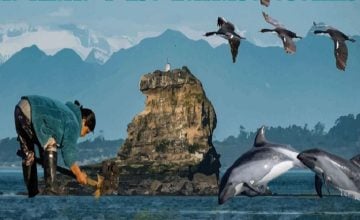
The fourth project, «Kume Srupu,» is directed by Dounkan Fuentes, a williche from Osorno, poet, and anthropology graduate student. This documentary emphasizes the williche Mapuche funeral tradition of the künko mapu, set in the Quilacahuín territory.
«The film features musicians from williche bands, with instruments such as the banjo, bombo, trutruka, accordion, and guitar playing a vital role in the social and ceremonial life of the territory,» Fuentes emphasized.
These filming and post-production processes will take place in Chile and Argentina between February and July 2026, leading to screenings and exhibitions in Temuco and other cities.
The executive production will be managed by Kelluwün Media and funded by the Spanish Agency for International Cooperation, Aecid.
The Citizen
Artículos Relacionados

Cultural Spaces in the Metropolitan Region Organize Artistic Programming and Circulation Across 11 Municipalities
Hace 2 meses
Independent Cinema Network Launches Classic Film Series to Support Valparaíso's Iconic Insomnia Theater
Hace 3 meses
14th Anniversary of the Mapuzugun March: Activists Demand Official Language Status in Araucanía
Hace 1 mes
Indigenous Craftsmanship Seal: 12 Works from Aymara, Mapuche, and Rapa Nui Artisans Recognized in Chile
Hace 3 meses