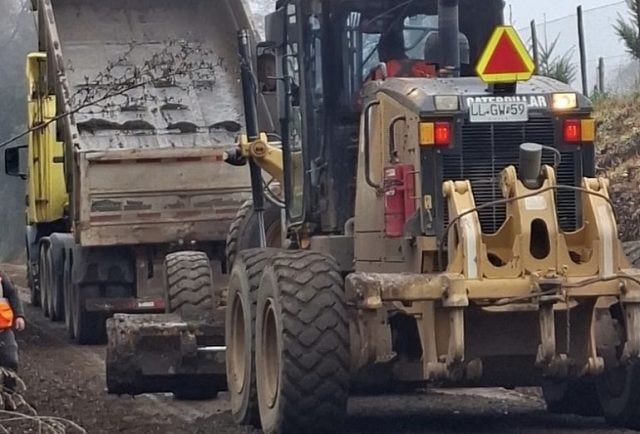
Original article: Denuncian nueva forma de usurpación territorial en tierras indígenas: Las expropiaciones del MOP
The Shadow of Administrative Territorial Usurpation: A New Face of Indigenous Expropriation that the State Leaves Unsettled?
Vicente Painel Seguel warns that behind the official announcements from the MOP lies a mechanism that constitutes a new form of territorial usurpation on Indigenous lands.
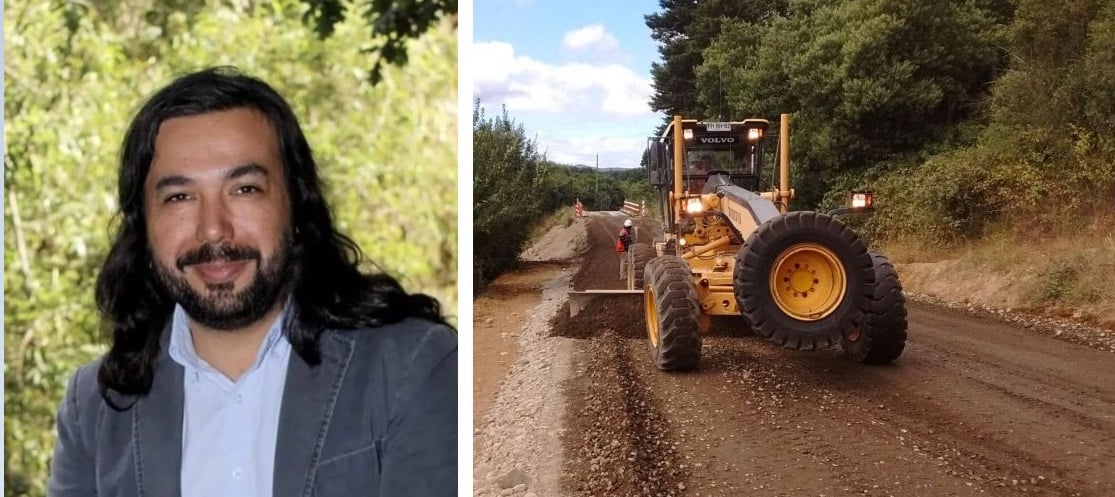
Indigenous Consultations regarding projects from the Ministry of Public Works (MOP) are widely reported in national media, generating expectations especially in the face of the current economic crisis. However, researcher Vicente Painel Seguel, through an opinion piece titled: «On the Non-Payment of Expropriations in Indigenous Lands for MOP Projects», warns that promised payments for expropriations (strips, parcels, easements) are rarely fulfilled in practice.
The Underlying Problem
According to the academic, the obstacle lies in an administrative void: «Indigenous lands are regulated, but their use and the effective possession by families regarding their deceased ancestors are often not. This leads the MOP to make payments to deceased or unlocatable individuals, especially due to the lack of proper numbering in rural areas.»
Painel Seguel points out a paradox: the State demonstrates efficiency in locating owners when it comes to expropriating and constructing but, when it comes time to administrate payments, the affected parties become «unlocatable.»
An Unending Pilgrimage
In his column, Painel Seguel states that the outcome is a vicious cycle that ultimately drains claimants. When affected individuals complain, the courts demand answers from the MOP, which replies that «nobody has been paid.» Money ends up stuck in the courts or in the General Treasury of the Republic (TGR) due to the absence of a formal claim. «Low-resource claimants bounce from one service to another as if they were a pinball,» the researcher laments.
The Shadow of Usurpation
For Vicente Painel, this web of administrative errors goes beyond mere inefficiency and qualifies as a «new model of territorial usurpation by the State of Chile.» The author asserts that the sophistication of the state system allows for a reading of «programmed intent,» akin to practices of «nanoracism» linked to neo-extractivism.
The column concludes with a historical reflection, questioning whether in the future these actions will be judged with the same shame with which 99-year leases are viewed today. «For the State of Chile to overcome its underdevelopment, it needs to start doing things correctly; it looks better and is cheaper,» Painel Seguel concludes.
