Original article: Nuevas revelaciones sobre pagos a jueces, políticos y lobbistas refuerzan dudas sobre legitimidad y viabilidad del proyecto Dominga
Recent disclosures reported in a special investigation by Mongabay and Reportea regarding a network of multimillion-dollar payments linked to the Dominga mining project have reignited the debate over the legitimacy of the processes that have kept this highly scrutinized initiative alive, amidst concerns about its environmental and social impacts.
The investigation reveals payments made to judicial operators, political leaders, and lobbyists associated with efforts to favor the interests of Andes Iron, the company behind the Dominga project.
According to the report, these findings emerged in the context of investigations stemming from the so-called Hermosilla case, highlighting alleged interventions aimed at influencing judicial decisions related to Dominga, including lobbying judges and appointments in higher courts.
The publication also identifies at least five former lawmakers among the advisers: Aldo Cornejo, Patricio Walker, Osvaldo Andrade, Gabriel Silber, and Eduardo Lagos.
Additionally, payments to Alejandro Ruiz, former minister of the Environmental Tribunal of Santiago, have been reported. He has given interviews as an expert on Dominga without disclosing his financial ties to Andes Iron.
As these new revelations emerge, the pressure continues to mount to overturn the environmental rejection of Dominga.
Recently, it was announced that the Ministerial Committee has decided to resume processing the invalidation requests submitted by organizations favorable to Dominga, aiming to nullify the unfavorable Environmental Qualification Resolution currently affecting the initiative.
This body has opened a ten-day window for the public and interested parties to submit comments, which will end on October 30. After this period, the Committee must decide whether to accept or reject these requests.
However, the lawyers representing communities from the Humboldt Archipelago will formally inform the Ministerial Committee that the matter is still under judicial review. Therefore, it is appropriate for the administrative authority to refrain from issuing a decision while there are pending court cases.
«Furthermore, during this process, new technical reports prepared by specialists supporting the environmental rejection of the project will be presented. The first set of documents will be submitted on October 23, and a second set on October 30,» the communities stated.
In the same vein, they warned that «any attempt to move towards a new vote without considering this evidence or respecting the principle of abstention in light of ongoing judicial cases would send a grave signal regarding the country’s environmental institutional framework.»

Call for Transparency and Respect for Institutional Integrity
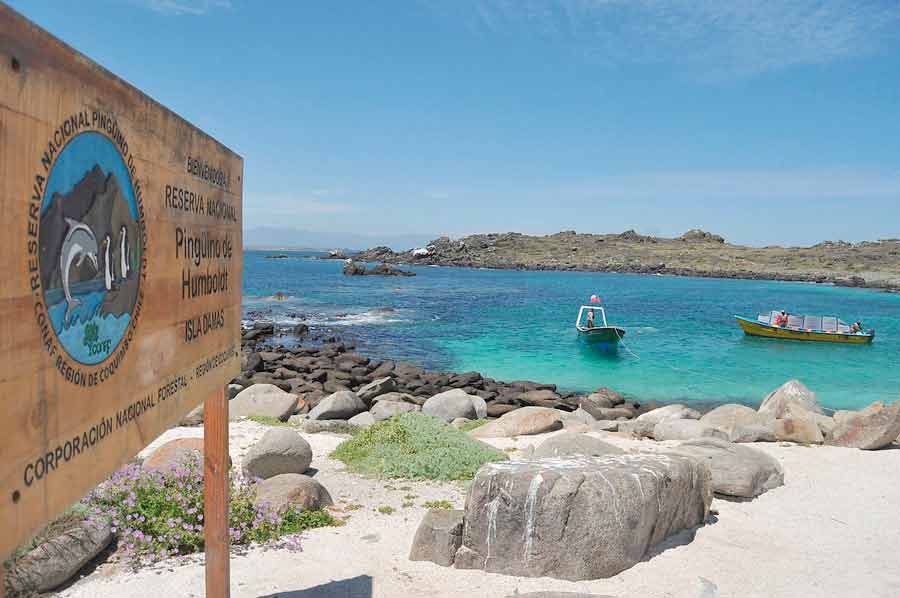
Organizations and community members assert that the recent allegations of payments to judicial operators, political leaders, and lobbyists make it even more critical that all future decisions regarding Dominga are made with absolute transparency, taking into account the available technical and scientific evidence, which overwhelmingly argues against the construction of a mega-port in a region of incalculable ecological value.
«What is happening with Dominga is extremely serious,» stated Gabriel Molina, a historic leader in artisanal fishing from the Humboldt Archipelago.
For this marine worker, «the revelations regarding large payments to judicial operators, politicians, and lobbyists associated with the project must be investigated thoroughly. If confirmed, they demonstrate what we have always suspected: that there has been an attempt to keep this project alive through a web of influences, despite the significant impacts it would have on one of Chile’s most valuable marine ecosystems.»
Meanwhile, Oceana, an organization dedicated to conservation in the region, has called for «transparency and responsible action concerning any decisions about Dominga, which must be based solely on scientific evidence and the definitive protection of this archipelago.»
We will continue to provide updates.
Obtén tu Pasaporte y apoya a El Ciudadano
Elimina la publicidad, accede a contenido exclusivo y sé parte de la comunidad.
Cancela en cualquier momento · Sin permanencia
Artículos Relacionados
Andes Iron Becomes an Accused Party in Legal Case Linked to Belarusian Plot After Greenpeace Complaint
Hace 2 meses