Original article: No es talla: ¿vives cerca de un humedal y no cachai? Así lo reconoces y lo defiendes
Today, February 2, marks World Wetlands Day, a date established by the Ramsar Convention in 1971, which acknowledges the ecological, social, and legal value of these ecosystems on an international scale. Chile joined this commitment on November 27, 1981, and since then, the focus has been clear: to highlight why wetlands matter for everyday life. Let’s be clear: we’re not just talking about «pretty nature»; we’re discussing water, security, health, and our future.
If you want to make a real contribution (beyond just posting), here’s a quick guide on how to recognize a wetland and defend it without getting lost in the details.
How to Recognize and Defend a Wetland: Quick Signs for Identification
A wetland is a place dominated by water: there can be visible water year-round or seasonally, but the soil and vegetation reveal that life is adapted to moisture.
Express Checklist (if you check off several, you’re likely near a wetland):
- There is standing or slowly moving water, even if only during specific months of the year.
- The soil is soft, dark, or saturated (like a «sponge»).
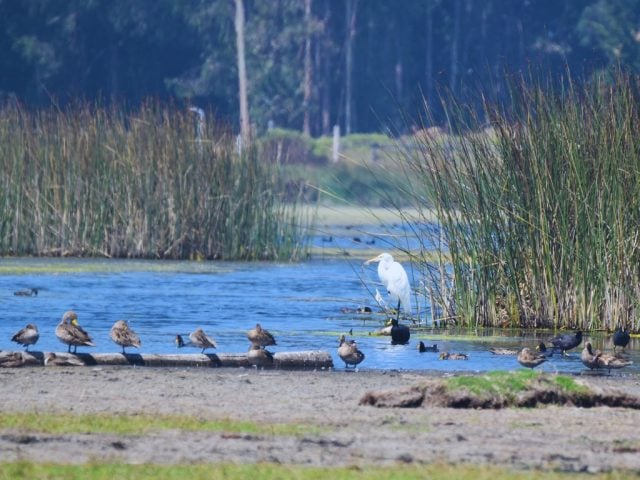
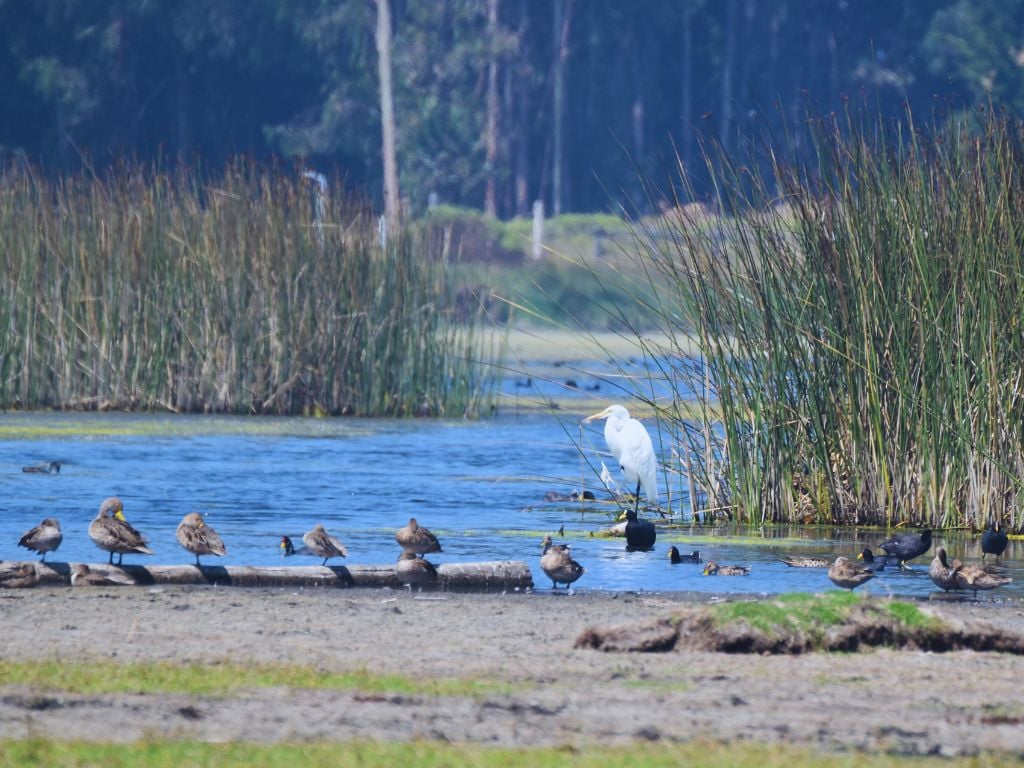
- You see plants typical of wet areas: bulrushes, reeds, tall grasses, or other vegetation that loves water.
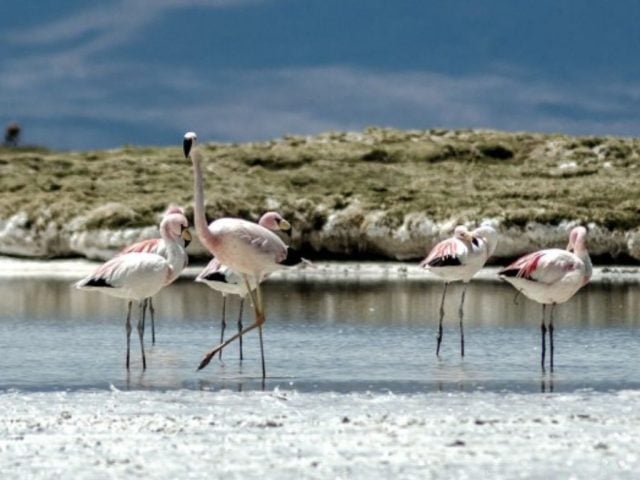
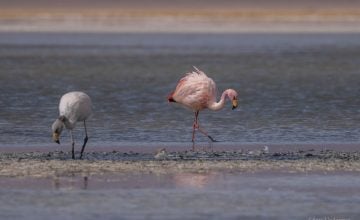
- Birds appear (herons, coots, black-necked swans, ducks), even in urban settings.
- There are insects and amphibians: mosquitoes, dragonflies, frogs (when present), and a lot of microscopic life.
- You feel a temperature change: the area is usually cooler or more humid than the surrounding concrete.
- There is a connection to a stream, channel, lagoon, or aquifers (though it may not always be visible).
- The water «disappears» slowly: the ground absorbs and releases it (which helps prevent flooding).
Why It Matters: It’s Not Poetry, It’s Natural Infrastructure
Wetlands help regulate water (they store and release it), sustain biodiversity, and contribute to climate change adaptation. In practical terms: they can mitigate flooding, reduce heatwave impacts, and maintain an ecological balance that ultimately influences the quality of life in entire neighborhoods. Simply put: taking care of them is taking care of ourselves.
The Most Common Threats (The Usual Suspects)
If you live near a wetland, you’ve likely seen some of these:
- Landfills with debris or soil «to gain land».
- Trash and illegal dumping (which turn into pests and health hazards).
- Drains and channels that gradually «dry it out».
- Fences and subdivisions that privatize access or fragment the ecosystem.
- Loose pets and vehicle traffic that destroy nests and vegetation.
- Fires and illegal burning (direct devastation, smoke, and loss of wildlife).
How to Recognize a Wetland and Defend It: What to Do If You See Damage
Here’s a short path, from the most immediate actions to the most strategic:
- Document without exposing yourself
Take photos, videos, date, and time. Ideally, have a clear point of reference (street, bridge, coordinates). Avoid confrontation: your safety comes first. - Create a “mini-file”
A shared file with neighbors: what happened, when, where, who saw it. Documentation matters. - Report through formal channels
Start with your municipality (environment/inspection) and, depending on the case, escalate to competent institutions like the Environmental Superintendency or the Ministry of Environment. If there is a risk of fire or forest disturbance, also consider CONAF. For water-related issues (intervention of waterways, drainage), you may need to reach out to the General Directorate of Water. (If you’re unsure which applies, report anyway: what’s important is documenting and requesting referral.) - Request information: evidence is key
Ask for permits, resolutions, or records of works. When there are documents, discussions can be based on facts, not empty rhetoric. - Organize the community, not condemn
A brief meeting, a site visit, and a point of contact. Sustained pressure (well-documented) is more effective than a single outburst. - Make the value of the wetland visible
Community signage, educational activities, bird surveys, and coordinated clean-up efforts (with due care not to harm nests). Ensure the area is recognized as a common good. - Bring the issue to where it hurts: public decisions
Participate in consultations, urban planning, and environmental processes when available. Real defense occurs through how projects and developments are approved (or halted).
In times of climate crisis, protecting wetlands is not a «green whim»: it’s a public interest matter. If you want to contribute today, start with the basics: how to recognize a wetland and defend it in your area. Because when water is scarce, when heat strikes, or when the city floods, these ecosystems are often working quietly… until they are erased from the map.