Original article: Petróleo se dispara por la guerra de EE.UU. e Israel contra Irán
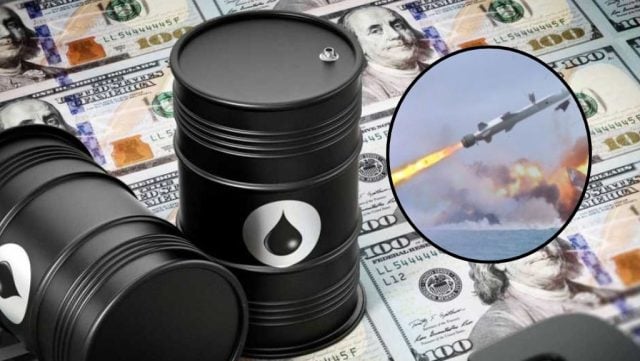
Oil prices soared to nearly $120 per barrel on Monday as tensions escalated in the ongoing conflict between the U.S.-Israeli alliance and Iran, jeopardizing hydrocarbon production and transportation in the Middle East and impacting international financial markets.
The price of Brent crude for May delivery surged again on the London Futures Market this Monday, reaching a peak of $119.50 per barrel during early trading.
Meanwhile, the West Texas Intermediate (WTI), the benchmark light crude in the U.S., similarly hit a high of $119.48.
However, hours later, prices decreased, with Brent trading above $101 (up 9%) and WTI near $100.
This partial market relief followed French President Emmanuel Macron’s indication that G7 countries might tap into emergency oil reserves as a coordinated response to the crisis.
According to the Financial Times, some G7 members are contemplating the release of strategic reserves to ease market pressures. Macron confirmed this stance on Monday, stating that «the use of strategic reserves is a planned option,» as reported by AP news agency.
The French president, whose nation holds the G7’s rotating presidency, asserted that the group’s leaders might convene this week to coordinate a response to rising energy prices. Concurrently, G7 finance ministers held a video conference to discuss the severe economic repercussions of the war, which began on February 28 when Washington and Tel Aviv launched a joint attack against Tehran, resulting in over 1,300 deaths in the Persian nation, including at least 200 children, according to humanitarian organizations.
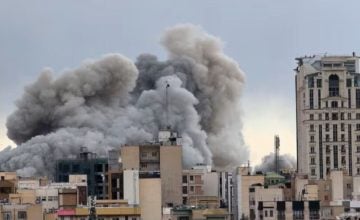
The ongoing military escalation, now in its second week, has ensnared countries and critical hubs for hydrocarbon production and transportation from the Persian Gulf. In a move underscoring Iran’s resolve, the Assembly of Experts appointed Sayyed Mojtaba Khamenei as the new Leader of the Revolution and the Islamic Republic, following the assassination of his father, Ayatollah Seyyed Ali Khamenei.
This appointment, coming after more than a week of intense US and Israeli bombardments, demonstrates a renewed show of defiance from Iranian leaders, suggesting that the Islamic Republic is unwilling to forfeit what it views as a struggle for national survival. This geopolitical factor is a key driver pushing prices higher, indicating that hardline representatives remain firmly in charge and that the military conflict is far from concluding.
The Strait of Hormuz: A Strategic Chokepoint
The heart of the energy crisis beats in the Strait of Hormuz, following Iran’s announcement that it maintains effective control of this maritime route, through which approximately one-fifth of the world’s oil and liquefied natural gas transit and which is essential for exports from countries like Saudi Arabia, the United Arab Emirates, Kuwait, and Iraq.
A statement issued by the Iranian Revolutionary Guard warned that «all actors must heed the previously issued warnings against the passage of military, commercial, or any other type of vessels associated with the United States, ‘Israel’, European countries, and their allies,» clarifying that the interdiction extends beyond warships to encompass the entire merchant and civilian fleet linked to Washington and Tel Aviv and their allies.
According to independent research firm Rystad Energy, approximately 15 million barrels of crude oil are transported daily through the waters of the strait, accounting for around 20% of global oil consumption.
The constant threat of missile and drone attacks along this route, located between Iran and Oman, has virtually paralyzed the transit of oil tankers transporting crude and gas from energy powerhouses like Saudi Arabia, Kuwait, Iraq, Qatar, Bahrain, the UAE, and even Iran itself.
The direct consequence of this de facto blockade is an unprecedented accumulation of crude. Iraq, Kuwait, and the UAE have been forced to slash oil production due to full storage tanks, a direct result of diminished capacity to export crude. The situation is exacerbated by mutual attacks; Iran, Israel, and the U.S. have targeted oil and gas facilities since the onset of the conflict, heightening global concerns over supply security.
The magnitude of supply shortages is vividly reflected in market structure. The premium for nearest-month Brent contracts over six-month contracts skyrocketed on Monday to reach a historic high of nearly $36, according to LSEG data dating back to 2004. This figure far exceeded the previous record of around $23 hit in March 2022, during the initial weeks of the war between Russia and Ukraine.
This premium, known in financial jargon as «backwardation,» underscores that traders and analysts anticipate a severe and immediate supply shortage, valuing today’s available crude significantly higher than future deliveries.
Global Impact: From Asian Gas Stations to Strategic Reserves
The energy shock has rapidly reverberated worldwide, hitting Asian economies, which are highly dependent on Middle Eastern imports, particularly hard. The rise in oil and natural gas prices is triggering a cascading increase in fuel costs, which in turn affects other industries.
Across Southeast Asia, the surge has led to long lines at gas stations, reflecting public concern and potential supply issues.
China, the world’s largest oil importer and main buyer of Iranian crude (exporting approximately 1.6 million barrels daily), has called for an immediate ceasefire.
Chinese Foreign Ministry spokesperson Guo Jiakun stated at a press conference on Monday that «all parties bear the responsibility to ensure a stable and smooth energy supply» and made it clear that Beijing «will take necessary measures to safeguard its own energy security,» according to AP.
Meanwhile, South Korean President Lee Jae Myung warned on Monday that stringent sanctions would be imposed on refineries and gas stations caught hoarding products or colluding on prices, emphasizing the urgency to find alternatives to supplies typically routed through the Strait of Hormuz.
Gasoline Price Increase in the U.S.
In the United States, the repercussions of the war against Iran are already visible at the pump. The average price of regular gasoline rose to $3.48 per gallon early Monday, nearly 50 cents higher than the previous week, according to data from the AAA automotive club.
Diesel, a key fuel for shipping and freight, was selling for about $4.66 per gallon, marking a weekly increase of over 80 cents.
These prices compare to historical highs of around $147 per barrel for crude contracts in 2008. The last time Brent futures and U.S. crude traded near current levels (over $100) was in 2022, following the onset of the Russia-Ukraine conflict.
In this context, U.S. President Donald Trump downplayed the idea of tapping into the Strategic Petroleum Reserve on Saturday, asserting that U.S. supplies were plentiful and that prices would soon decrease.
However, political pressure against the Republican magnate’s administration is rising. Democratic Senate leader Chuck Schumer has urged the White House tenant to release these reserves.
Production at Minimums and Supply Chain on the Verge of Collapse
The reality on the ground in producing countries is one of paralysis and damage. According to close sources within Aramco, the Saudi state oil company has begun to cut production in two of its major oilfields.
Analysts had already predicted last week that OPEC heavyweights, such as the UAE, would run out of storage capacity and have to slash production. In Iraq, oil production from its main southern fields has plummeted by 70%, and crude storage has reached maximum capacity.
Similarly, Kuwait Petroleum Corporation began reducing its output on Saturday and also declared force majeure on shipments, without specifying the extent of the cuts.
In an effort to mitigate the disaster, Aramco, which can reroute some of its flow through the port of Yanbu on the Red Sea, decided to exceptionally offer over 4 million barrels of Saudi crude in international tenders to counteract the closure of Hormuz.
However, alarming situations are emerging on other fronts; for instance, in the gas sector, the giant LNG exporter Qatar was forced to halt production following attacks on key infrastructure, reported Reuters.
In the UAE, a fire broke out in the oil zone of Fujairah due to debris falling from attacks, although no injuries were reported.
Furthermore, besides the attack on the BAPCO refinery in Bahrain, Saudi Arabia had to shut down its largest oil refinery.
Experts warn that the conflict could leave consumers and businesses worldwide facing weeks or months of significantly higher fuel prices, even if the war were to end abruptly, due to the lethal combination of damaged facilities, disrupted logistics, and heightened security risks that will deter maritime transport in the Middle East region for an extended period.
Relacionados

Iran and Venezuela Strengthen Alliance Against US Actions: Cooperation to Combat Caribbean Piracy
Hace 3 meses
Iran Launches Attack on U.S. Oil Tanker, Claims Control of Strategic Strait of Hormuz Amid War Tensions
Hace 4 días