Original article: En pleno 25N: Investigadora alerta por despidos en SernamEG y advierte riesgos para la prevención de la violencia contra las mujeres
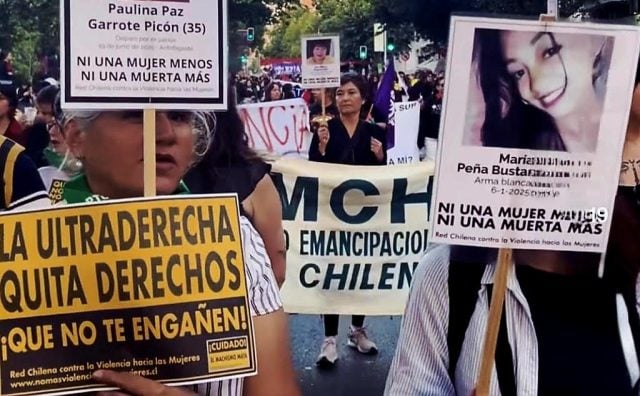
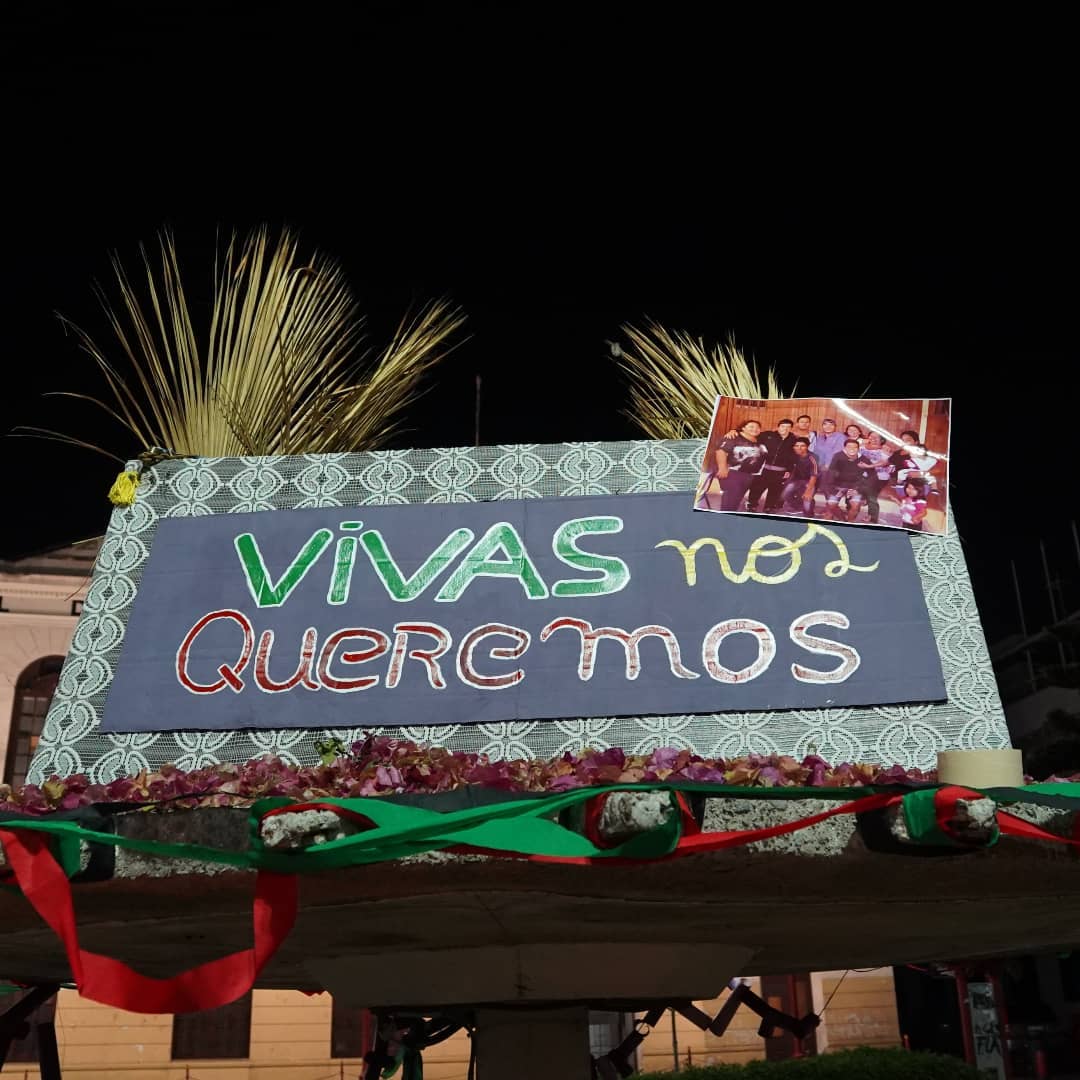
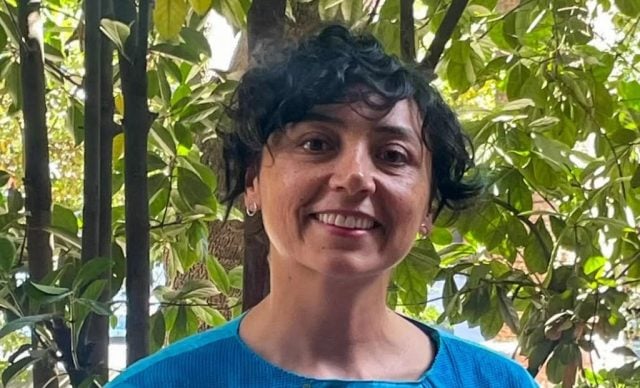
On the International Day for the Prevention and Elimination of Violence Against Women, Dr. Anita Saavedra, a postdoctoral researcher at the Millennium Institute for Care Research (Micare), raised concerns that the announced layoffs at the National Women’s Service and Gender Equity (SernamEG) jeopardize the sustainability of violence prevention programs.
«It is noteworthy today that when the State is set to renew the contracts of personnel at the National Women’s Service, the Association of SernamEG Employees reported that there will be likely more than 200 layoffs, amounting to nearly 50% of the staff,» she stated in an interview on the program Common Sense, hosted by Javier Pinea Olcay, director of El Ciudadano.
She emphasized the need to raise awareness, considering that «the State has international recommendations that must be implemented, focusing on providing services at the community and local levels; the professionals who are supposed to support such initiatives risk their sustainability, their jobs, and their years of experience; this is also something to consider.»
A Global Challenge with Ongoing Causes
The researcher recalled that 27 years ago, the United Nations General Assembly declared this November 25 as the International Day for the Prevention and Elimination of Violence against Women.
«This indicates that it is a challenge that unfortunately continues to have the same causes and effects,» she asserted.
She noted that despite legislative advances in Chile, such as the Comprehensive Law and the integrated registry of violence cases, the challenges regarding the implementation of such regulations still persist.
Additionally, she cited a study by Fundación Humanas and Fundación Paz Ciudadana, indicating that cases of domestic violence outnumber robbery incidents, highlighting that violence remains a constant issue in our country.
Safety from an Integral Perspective
When asked about the concept of safety, Saavedra pointed out that Chile still ranks as one of the countries where fear is most profoundly felt, referencing a PNUD report that states that 60% of the population fears going out at night and walking the streets.
«There is an increasing perception of fear that simultaneously translates into other perceptions, particularly regarding the more human aspects of security that we feel as women, men, and children in various everyday situations,» she explained.
In light of this, she emphasized the need for preventive work and strengthening social fabric, inspired by Joan Tronto’s care theory and experiences from Mexico, where training was provided to women and men as peace agents.
The Critical Path and the Integrated Registry
Regarding public policies, the researcher referenced the World Bank study The Critical Path of Violence, which served as a basis for recommendations for the Comprehensive Law.
«One of the most urgent points for the current administration is for the State to be capable of following the trajectory of a woman who is in a situation of violence but does not necessarily report it,» she mentioned.
«Perhaps she arrives at a healthcare center to document injuries, or the educational institution learns about the situation and can activate the entire network and the State’s response to address it,» she highlighted.
She praised the existence of the integrated case registry, which must interoperate the information among various services to prevent women from having to repeatedly recount their experiences. However, she warned that alongside coordinating State responses, community-based policies and programs must be developed, stressing, «the professionals who are supposed to support such initiatives risk their sustainability, their jobs, and their expertise; this is also critical to consider.»
You can watch the full interview below:
Please focus on the segment from 1:08:40 (Javier’s question) to 1:15:00, especially the second response, which supports the headline. Mention in the introduction that today is the international day to prevent and eradicate violence against women and clarify the potential layoffs.
Obtén tu Pasaporte y apoya a El Ciudadano
Elimina la publicidad, accede a contenido exclusivo y sé parte de la comunidad.
Cancela en cualquier momento · Sin permanencia