Original article: “Más de 7 mil dijeron que no”: piden suspender evaluación del proyecto de tierras raras en Penco tras el megaincendio
Social Organizations Submit Letter to SEA Demanding Permanent Suspension of Controversial Mining Project by Aclara Resources and Respect for the ‘No’ from the Community Consultation in 2022
More than seven thousand residents expressed their opposition to the rare earth project in a public consultation held in 2022. This number has been highlighted by social and community organizations in Penco and Lirquén as a central argument in their demand for an immediate halt to the environmental processing of the mining project proposed by the Canadian company Aclara Resources through its subsidiary REE UNO SpA.
In the wake of the devastation caused by a recent mega wildfire in the area, local groups delivered a letter to the Environmental Evaluation Service (SEA) requesting the project’s definitive suspension, arguing that the disasters have exacerbated environmental impacts in the region and that the community has already made its preferences clear.
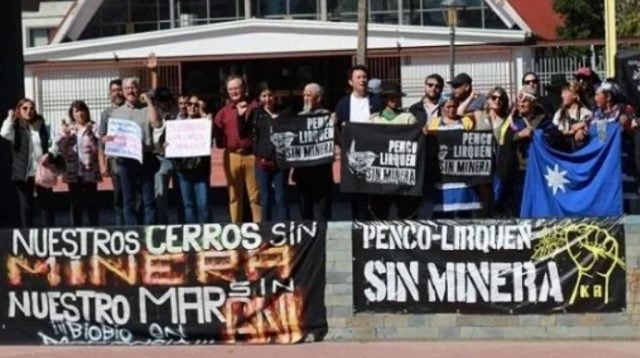
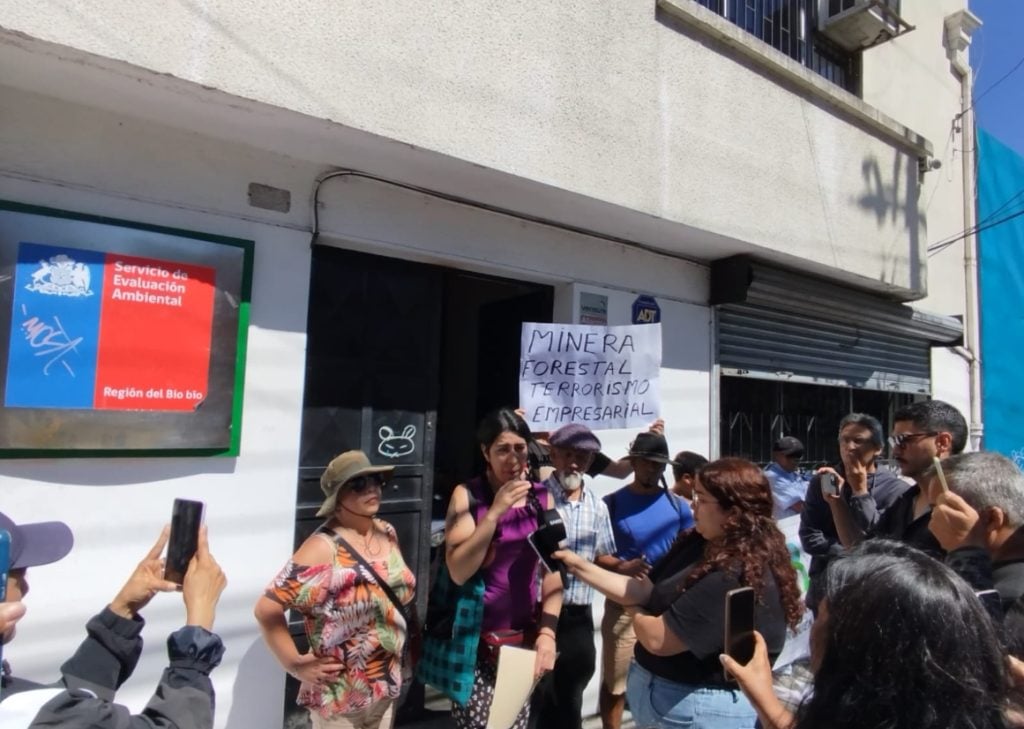
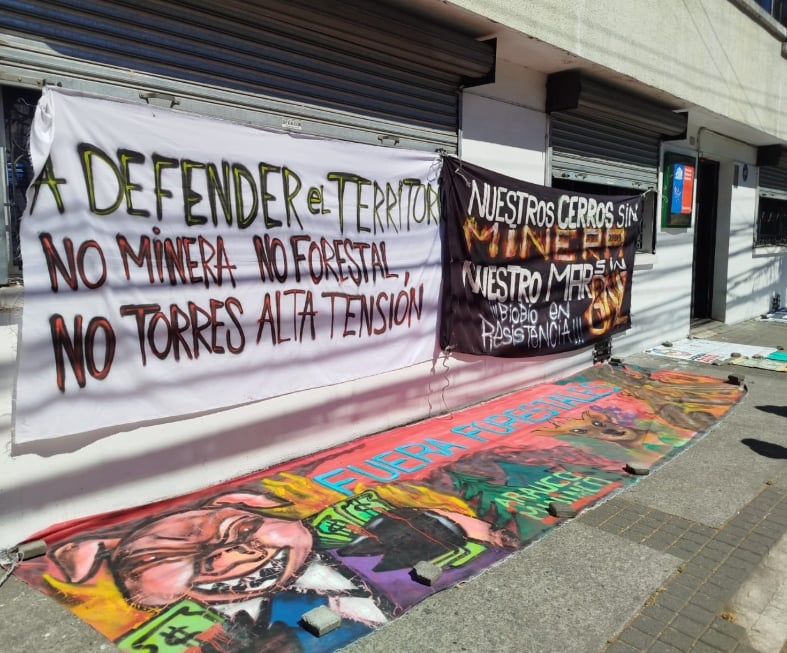
According to Resumen.cl, on Monday, a large turnout of citizens gathered outside the SEA offices to express their opposition to the contentious mining project aimed at exploiting rare earth elements in the hills of Penco-Lirquén.
The protest took place while the region continues to suffer from the severe impacts of the wildfires that occurred a month ago.
Despite the catastrophe, neither Aclara Resources nor the SEA has shown any intention of halting the project’s processing, taking into account the effects of the disasters in the community. This oversight was interpreted by protesters as a disregard for the pain and destruction still facing residents, who view the mining initiative as a looming threat in addition to the ongoing emergency.
In this context, it is the organizations themselves that have taken the initiative to submit a letter to the environmental evaluation agency, detailing how the disaster has heightened the vulnerabilities of the local ecosystem.
Penco Communities: «We Do Not Want Environmental Impacts to Worsen»
In their letter, they pointed out that «the impacts of this disaster have significantly affected components of endemic flora and species in conservation status, invertebrate and vertebrate fauna, fungal ecosystems, soil, and above all, human life.»
This assessment not only highlights ecological damage but also raises fundamental questions about the appropriateness of advancing an extractive project in an ecologically and socially devastated area.
Moreover, the document elaborates on the ongoing human tragedy that still impacts the communities.
«We are still in mourning as a community, with more than 80% of Lirquén destroyed, over 20 fatalities, more than 2,000 homes burned, and where essential services have yet to be fully restored in most of the affected neighborhoods,» states the letter, which was recorded by Resumen.cl.
This declaration aims to put into perspective the scale of the disaster, contrasting it with the perceived indifference that both the mining company and environmental authorities have demonstrated. For these organizations, processing a project of this magnitude amid the ongoing emergency constitutes a lack of respect for the victims and their families.
In this light, the community and organizations’ demands are specific and underpinned by the need to be heard as valid participants in decisions that affect their environment.
«We demand that our voices be considered decisive by authorities when evaluating economic development projects in our community. We do not want environmental, social, and economic impacts to worsen because of the extractivism present in our area, as we experienced in this mega wildfire, where the imminent danger posed by existing industries was palpable, forcing firefighters to choose between saving lives or industries,» they proposed in the text.
«We add to the existing link between the forestry and mining industry the evident weakness of all existing regulations aimed at contributing to regulating and preventing the devastation that economic forestry activity brings to our region and its populated urban and rural areas,» they emphasized.
This reflection links the wildfires to the prevailing extractive model, asserting that this is not an isolated catastrophe but rather a systemic risk.
Camila Arriagada, former regional councilor of Biobío and a member of the Keule Resiste collective, reinforced the message of community self-determination by recalling the 2022 public consultation where 7,548 voters participated, of which 99% voted against Aclara Resources’ mining project.
In statements gathered during the demonstration, Arriagada stated that they demand «this government and the next to consider the voice and opinion of the community, which expressed in 2022 that Penco and Lirquén do not want a mining project in our territory. More than 7,000 participants in that consultation said no.»
The leader thus emphasized that the rejection is not a new or improvised stance but is backed by popular support that authorities can no longer ignore.
Miriam Venegas, leader from the Villarrica sector, reaffirmed the position of groups and residents against the rare earth project.
«We want them to leave our Penco-Lirquén community because we, as social organizations, already decided against the mining project, but they keep insisting on this issue,» she asserted.
Her words reflect the fatigue of a community that, in addition to dealing with recovery from the fire, faces the persistence of a project they regard as foreign and harmful.
With vivid memories of the disaster and the conviction that over seven thousand voices have already spoken, the protesters made it clear that the fight against the rare earth project will not cease, and that the SEA must respond not only to technical requirements but also to the popular will expressed at the polls and on the streets.
Controversial Rare Earth Project
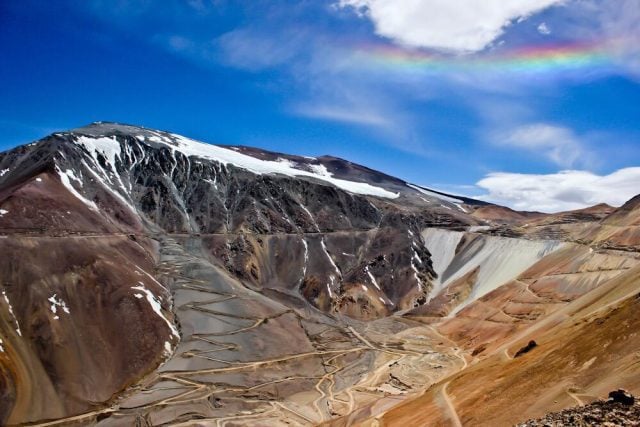
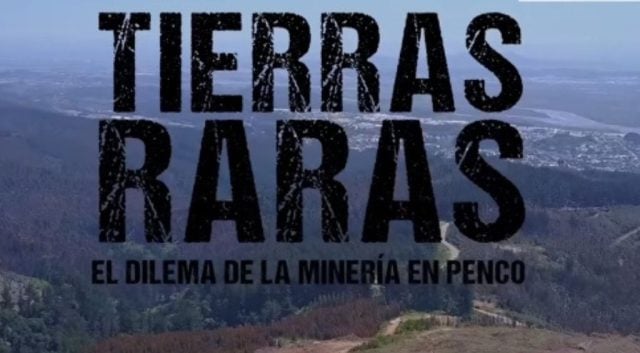
It is important to recall that this controversial projectto proposed by the Canadian Aclara Resources involves the extraction of three zones of clay containing rare earth elements, a plant capable of processing 320 tons per hour, and the permanent intervention of more than 153 hectares.
However, this initiative is known for its inadequate environmental studies, the questions raised about its potential impacts, and the strong opposition it has generated from communities and organizations due to the contaminating threat it poses to biodiversity, the environment, and water bodies.
What has alarmed local residents is that the project seeks to exploit nearly 600 hectares in the hills facing the city, capturing water from the Penco and El Cabrito streams. It would use 35,000 liters of water per hour just from the Penco stream, a situation that could significantly alter the course and flow of this river, which the General Directorate of Water has classified as having «exceptional quality,» meaning it is of extraordinary purity and scarcity, suitable for human consumption.
Additionally, the proximity to indigenous territories has intensified concerns over cultural and environmental damage, adding weight to the opposition against the project.
Relacionados
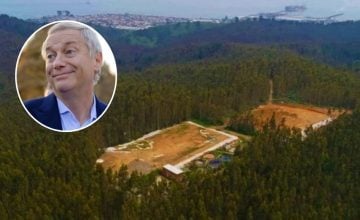
Kast Defends Aclara's Rare Earth Project Amidst Environmental Concerns and Wildfire Links
Hace 4 semanas
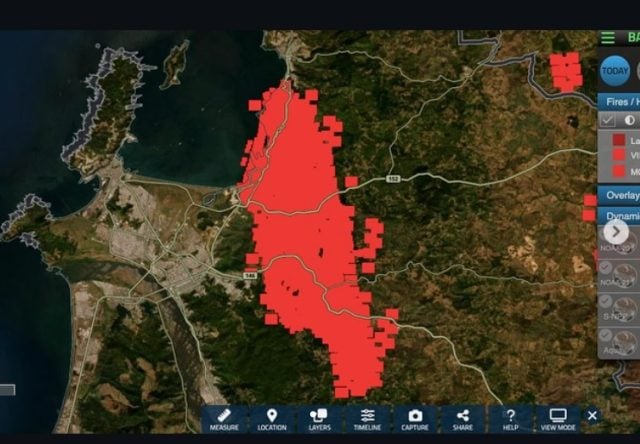
Wildfire Devastates Penco: Community Claims Fire Raged Near Site Planned for Mining Project
Hace 1 mes