Original article: Fuga de cerebros en el Pentágono: el secretario del Ejército dimite tras su choque con Hegseth por la «purga» de generales
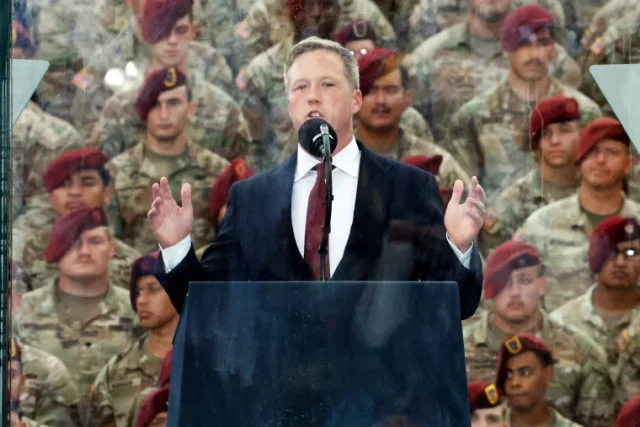
In a high-voltage departure reflecting growing turmoil within the Department of Defense, U.S. Army Secretary Dan Driscoll has officially submitted his resignation following months of friction with Secretary of War Peter Hegseth. This resignation, confirmed by The Wall Street Journal, CNN, Fox News, and Reuters, marks the latest shift in the military restructuring under the Trump administration.
The conflict appears rooted in Hegseth’s aggressive overhaul of military leadership. According to Fox News, Driscoll openly disagreed with the decision to oust numerous generals and high-ranking officials, a move that critics argue has led to a «brain drain» within the institution. The most notable exit was General Randy George, the Army Chief of Staff, who was unceremoniously relieved of duty in April 2026. To date, President Donald Trump has not named a permanent replacement, leaving General Christopher LaNeve in an interim role.
While the White House sought to frame the resignation as amicable, spokesperson Anna Kelly praised Driscoll’s tenure in a statement reported by CNN, claiming he had been «extremely effective in advancing President Trump’s agenda and restoring strength to the U.S. told of his leadership in historic military operations, his focus on readiness and lethality, and his involvement in negotiations between Russia and Ukraine.
However, behind-the-scenes leaks suggest tensions have been brewing for months. On August 22, The Wall Street Journal had already hinted at Driscoll’s imminent departure, noting he had moved from the official residence of the commander at Joint Base Myer-Henderson Hall (Virginia) to a smaller apartment in North Carolina, a move interpreted as a clear signal of his disconnection from the position.
Political intrigue adds to the atmosphere, with Fox News reporting that Driscoll was speculated to remain in his role until the midterm elections, after which he would likely support the campaign of Vice President J.D. Vance, a close ally. Meanwhile, Hegseth is reportedly eyeing his successor; according to two sources cited in late August, the Secretary of War is seriously considering replacing Driscoll with his own spokesperson and advisor, Sean Parnell, a move that would further consolidate Hegseth’s influence over the Army’s civilian leadership.
Amid this power vacuum in the Pentagon, questions grow about the future direction of the U.S. Army and whether this upheaval at the top will impact operational capability and military readiness during an especially critical geopolitical moment.
El Ciudadano
Obtén tu Pasaporte y apoya a El Ciudadano
Elimina la publicidad, accede a contenido exclusivo y sé parte de la comunidad.
Cancela en cualquier momento · Sin permanencia