![[Photos] University of Chile Experts Discover 4 New Endangered Plant Species in Central Zone](https://www.elciudadano.com/wp-content/uploads/2026/03/nuevas-especies-plantas-Chile-591x480.jpg "[Photos] University of Chile Experts Discover 4 New Endangered Plant Species in Central Zone")
Original article: [Fotos] Especialistas de la U. de Chile descubren 4 nuevas especies de plantas amenazadas en la zona central
Not just one or two, but four bulbous plant species have been discovered in central Chile by specialists from the Faculty of Forest Sciences and Nature Conservation at the University of Chile.
This research, published in the journal PhytoKeys, was led by Nicolás García, curator of the EIF Herbarium, along with young naturalists from the O’Higgins and Valparaíso regions—Paula Zúñiga-Acevedo, Matías González, Matías Espinoza, Constanza Soto, and Benjamín Cisternas—providing valuable new insights into Chile’s biodiversity.
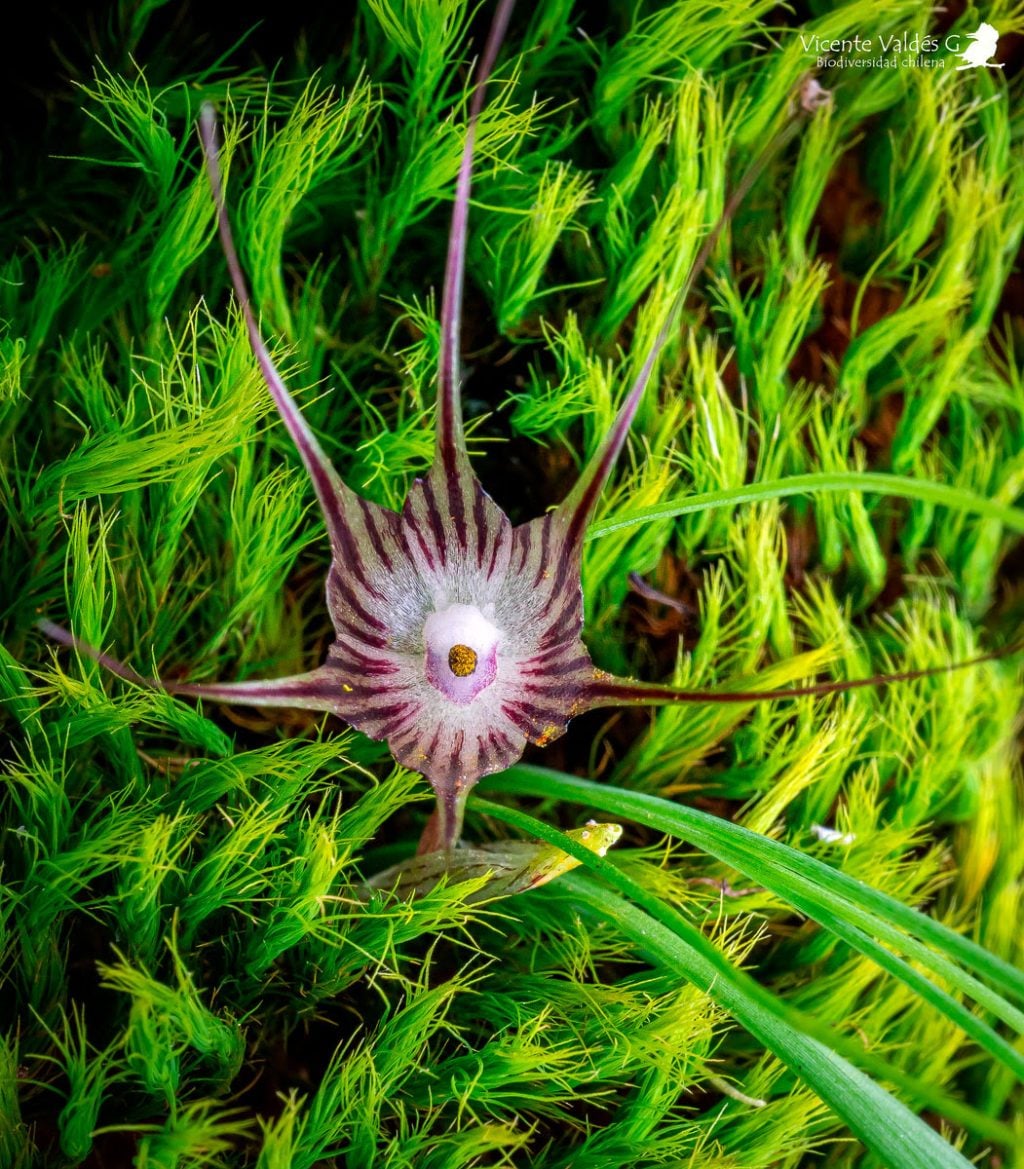
The newly described plants, following extensive taxonomic and methodological analysis, include two new species from the genus Miersia—Miersia nahuelbutensis and Miersia subandina—and two from the genus Gilliesia: Gilliesia reflexa and Gilliesia taguataguensis.
“The four new species were independently discovered over approximately six years,” highlights Nicolás García regarding these findings, noting that they are relatives of garlic and onion.
Unique and Threatened Distributions
The study also determined that these species have unique distributions within Chile’s biodiversity. While M. subandina, G. reflexa, and G. taguataguensis are found only in the O’Higgins region, M. nahuelbutensis can be encountered in the Biobío and La Araucanía regions.
According to the research, these new plants primarily inhabit Andean slopes, within sclerophyllous forests, and in coastal ravines.
Nicolás García, curator of the EIF Herbarium—which marks its 60th anniversary in 2026—stated that “they are species with very restricted distributions, inhabiting some of the most populated areas of the country, making them highly threatened in terms of conservation.”
Furthermore, the researcher pointed out that all four species are endangered and dependent on ecosystems that have been degraded by human activity.
A particular case is the habitat of M. nahuelbutensis, which “has been replaced by more than 90% by forestry plantations,” adding to the looming threat of wildfires, land-use changes, and various human activities.
According to the study, the discovered plant species are highly restricted to specific localities, making these areas priorities for their protection and future conservation.
“The flower shapes of these species were studied in detail to describe and compare them with other similar species, always considering previous literature on the Gilliesieae tribe. Moreover, some DNA regions were sequenced to incorporate the new species into the known evolutionary framework for this group, ensuring their correct genus identification,” explained the specialist.
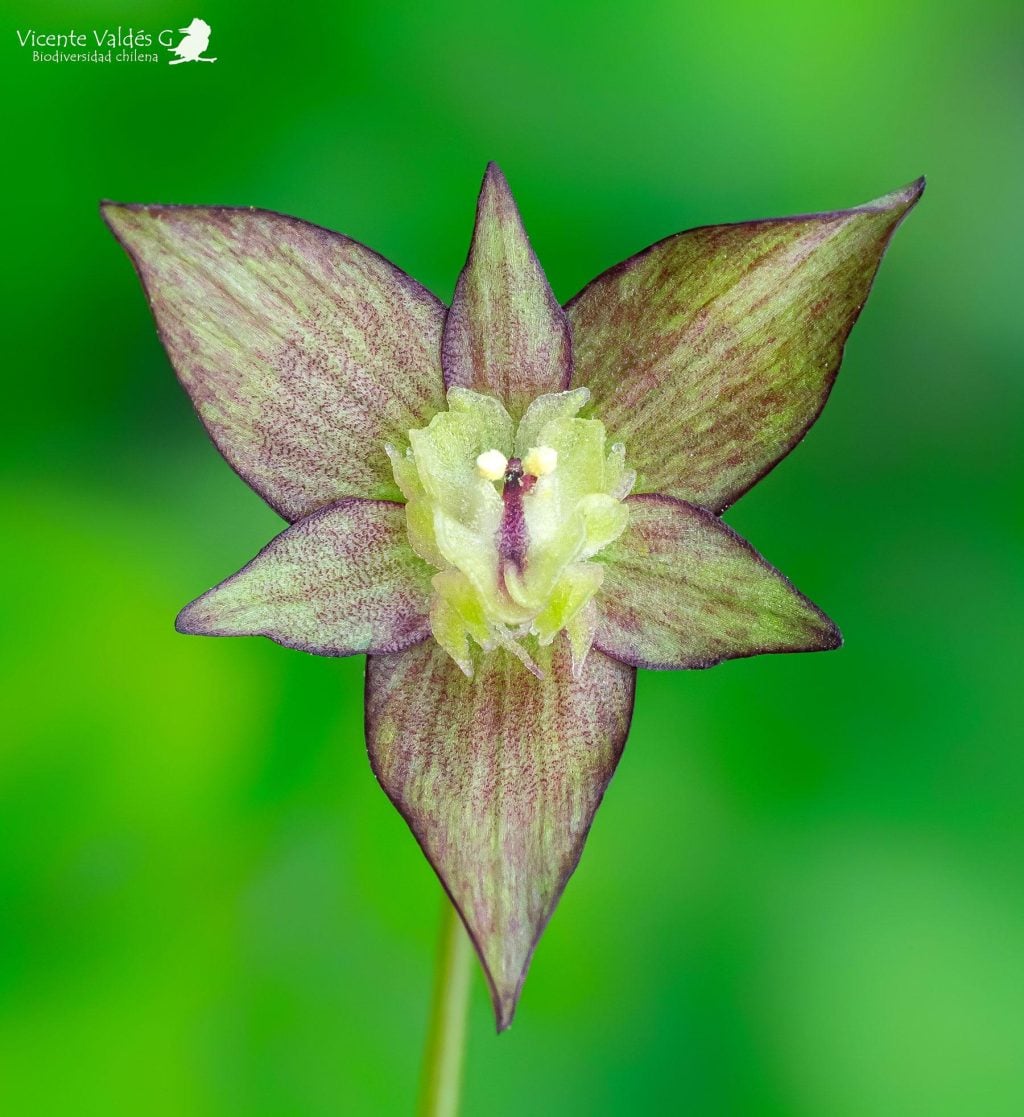
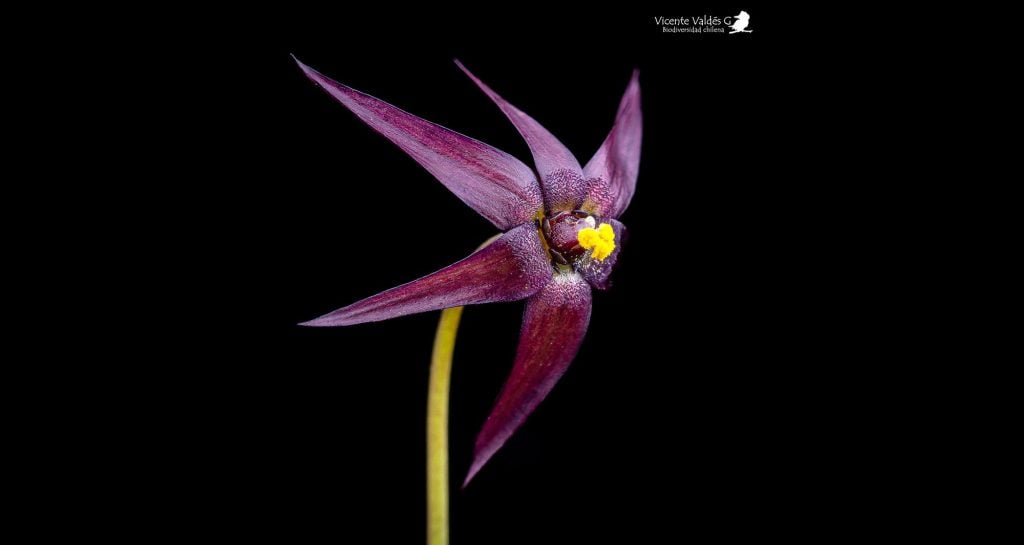
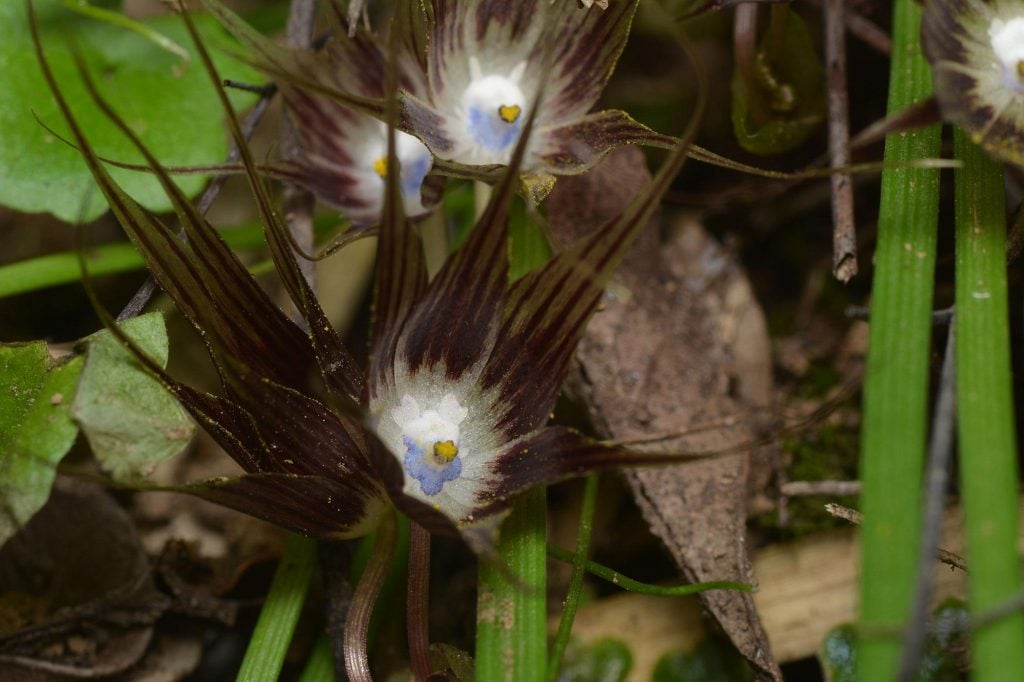
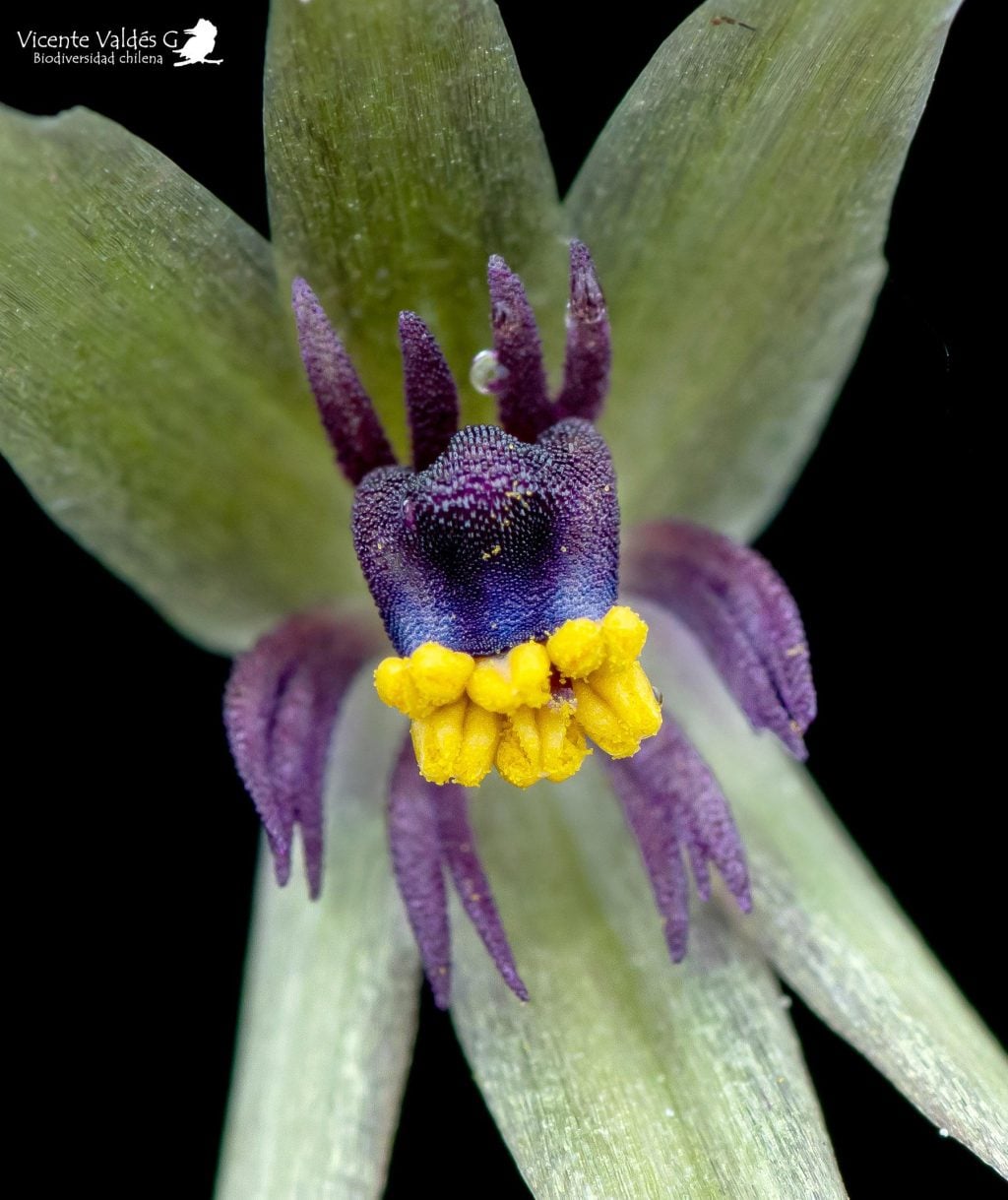
Photos by Vicente Valdés
Artículos Relacionados


Scientific Alert: Study Warns Over Half of Kelp Forests Along Chile and Peru Coasts May Disappear by 2050
Hace 3 meses

Maipú: Quebrada de la Plata Becomes the First Natural Monument in the New National Protected Areas System
Hace 2 semanas