Original article: Retroceso en DD.HH.: Gobierno desmantela unidad para víctimas de adopciones ilegales y forzadas
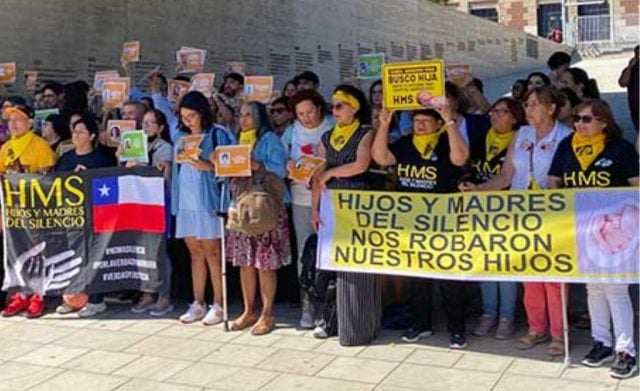
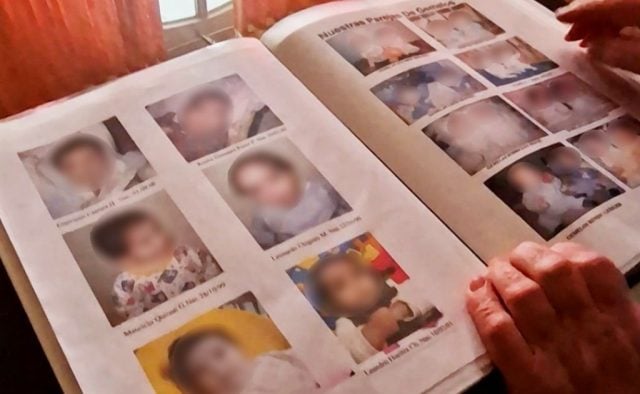
The administration of José Antonio Kast has disbanded the Search Unit for Origins and Family Members of Individuals Affected by Illegal, Forced, or Irregular Adoptions (UBAFI), established in February of this year to address one of the most sensitive historical debts of the Chilean state.
This decision, which represents a setback for human rights, was formalized through Resolution Exempt No. 207, dated June 22, 2026, nullifying the legal mandate set forth in the Public Sector Adjustment Law for 2026.
The agency, operating under the Undersecretariat of Human Rights, was dissolved just four months after its creation, resulting in the dismissal of the three professionals on its team. The administration’s new initiative indicates a shift in public policy aimed at addressing one of the most painful chapters in the country’s recent history.
Unit for Addressing Illegal and Forced Adoptions
The history of this office began long before its formal establishment. Since 2023, the International Cooperation Unit of the Ministry of Justice had been receiving information regarding illegal adoptions and requests from Chilean organizations and embassies abroad. Although it did not directly assist victims or conduct investigations, it served as an institutional front for a problem that had demanded state attention for decades.
The establishment of UBAFI in February 2026 was a direct result of the Public Sector Adjustment Law for that year, which included key provisions on reparations. This legislation mandated the Legal Medical Service to create a Genetic Fingerprints Bank to facilitate origin searches and family reunifications, and required the Undersecretariat of Human Rights to conduct administrative investigations in response to court requests, as well as provide psychosocial support and legal advice to victims.
For the first time, there was an explicit legal mandate to address irregular and forced adoptions. The resolution creating UBAFI included provisions for documentary searches, genetic analysis, coordination with consulates and embassies, psychological support, and legal assistance, in addition to facilitating family reunifications and international cooperation.
The Surprising Closure and Its Consequences
According to sources consulted by Bio Bío Chile, after Kast assumed office, the proposals and requests pushed forward by the unit began to receive progressively less response from the Undersecretariat’s cabinet. Among the pending actions were key meetings with the Legal Medical Service and the Judiciary, deemed essential for activating the search system and the Genetic Fingerprints Bank.
Ananías Reyes, who oversaw the unit until its dissolution, called the decision a «setback for the state in responding to victims who have been particularly neglected and require justice», noting that the Genetic Fingerprints Bank was never implemented because the regulatory proposal developed by the team had to be discussed with the SML, but the cabinet never arranged a meeting.
The official rationale for the closure was a new «strategic approach» and the need to reassign functions aligned with government directives. However, the legal obligation remains in force and the Undersecretariat currently lacks sufficient personnel to fulfill the legal responsibilities imposed.
Questionable Reassignment and a «Regressive Measure»
The functions previously performed by the three-person team will now fall under the responsibility of cabinet advisor Maximiliano Garnham and Isidora Villalobos, who joined as legal and criminal support. Both will take on tasks related to irregular adoptions as well as functions concerning institutional violence, which also came under their purview after the disbandment of another specialized unit.
The decision has raised concerns within the ministry. «What the authority communicates externally about its commitment to human rights does not align with internal actions», ministry sources stated.
In this context, human rights lawyer Karinna Fernández, who represents cases related to illegal adoptions, described the measure as a violation of the specialization principle and due diligence.
«In practice, it is a regressive measure on a priority issue«, the attorney asserted.
When consulted by Bio Bío Chile, the Undersecretariat of Human Rights confirmed the reorganization and assured that work related to irregular adoptions would continue, albeit under a different structure.
The dismantling of UBAFI highlights the fragility of human rights public policies under the current government. Victims of illegal adoptions, who have awaited responses from the state for decades, are once again left in an institutional limbo.
Obtén tu Pasaporte y apoya a El Ciudadano
Elimina la publicidad, accede a contenido exclusivo y sé parte de la comunidad.
Cancela en cualquier momento · Sin permanencia