Original article: Sheinbaum no esperó al mercado: presionó a gasolineros y consiguió rebaja del diésel
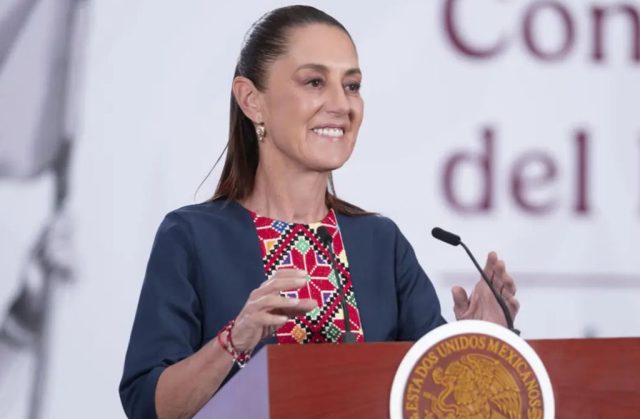
The President of Mexico, Claudia Sheinbaum, chose to engage in direct negotiations with gas station owners to achieve a significant reduction in the price of diesel.
Following weeks of warnings from the president, the federal government and gas station concessionaires have reached an agreement that sets the price of diesel at 27 Mexican pesos (1.53 dollars) starting next week, a pact that will be effective for six months, lasting until October, as confirmed by the business leaders.
This decision preempts an agreed-upon intervention strategy that did not wait for the market to correct profit margins on its own.
The announcement was made from the Treasury Room of the National Palace, in a video where the head of state was joined by the Secretaries of Finance, Energy, and National Defense, as well as representatives from the gas stations.
The progressive leader described the agreement as a “great deal” and detailed that the price of 27 pesos per liter will start being implemented next Monday, while cautioning that the adjustment will be gradual.
“We all walk together for Mexico. Thank you very much for this great agreement,” expressed the president, referring to the consensus reached.
To make this reduction viable, the Sheinbaum administration secured involvement from the banking sector and companies issuing fuel vouchers, which agreed to lower commission fees for payments made via card and electronic vouchers.
Previously, the Ministry of Finance had already hinted during the morning conference that there would be a temporary reduction in those banking commissions at fuel stations.
According to Sheinbaum, this financial collaboration was crucial for gas station owners to pass the benefits on to consumers without absorbing the entire cost impact.
At the conclusion of the meeting, Enrique Félix Robelo, president of Onexpo —the organization representing gas station owners— indicated that the Government might also resort to fiscal tools to support the reduction, specifically the lowering of the Special Tax on Production and Services (IEPS), as reported by La Jornada.
Meanwhile, Mauricio González, representative from Valores ABC, provided further insights into the mechanics of the agreement: he confirmed its six-month duration, while clarifying that there would be regular meetings with the President to assess price developments.
The head of government indicated that this will not be an isolated measure, highlighting that her administration plans to seek similar agreements with producers and marketers of perishable goods to make them more affordable for consumers and to combat inflation from multiple fronts.
Sheinbaum criticized the traditional approach that left the fight against inflation almost exclusively in the hands of the Bank of Mexico through interest rate hikes —a measure that she acknowledged has adverse macroeconomic effects— and defended the need for complementary mechanisms. With this action, the president communicated a clear message: the policy of waiting for the market has come to an end.
Obtén tu Pasaporte y apoya a El Ciudadano
Elimina la publicidad, accede a contenido exclusivo y sé parte de la comunidad.
Cancela en cualquier momento · Sin permanencia
Artículos Relacionados
New Financial Blow Expected: Gas Prices Projected to Rise Following U.S. Military Action Against Iran
Hace 2 meses