Original article: Estudio analizó aumento de migración desde ciudades a zonas rurales en regiones de La Araucanía, Los Ríos y Los Lagos
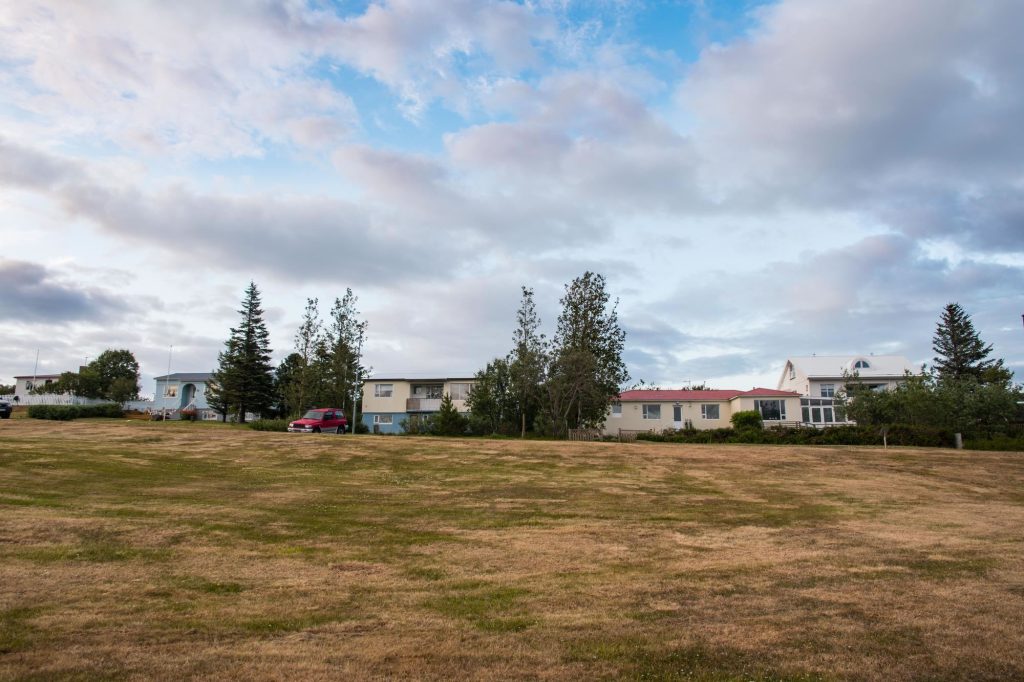
For decades, migration in Chile has been primarily viewed as a movement from the countryside to urban areas. However, a recent study conducted by the Universidad Católica de Temuco (UCT) has explored an opposite trend: urban residents opting to relocate to rural sectors in the southern part of the country.
This analysis is part of the Fondecyt Regular 1231643 “I’m Going to the Countryside: Residential Choice Principles and Middle-Class Identity in Rural Areas of Southern Chile,” led by UCT researcher Félix Rojo Mendoza, which investigates the reasons behind these relocations in the regions of La Araucanía, Los Ríos, and Los Lagos.
According to Rojo, this migration has increased over the last decade, starting to influence the demographic dynamics of various communes in the south. Although the rural population is generally declining, the study identifies specific areas where this decrease is less pronounced or even reversed due to the influx of people from urban locales.
«The municipalities where the rural population has grown or decreased less coincide with those that record the highest flows of migration from urban origins,» the researcher detailed, emphasizing that this trend is particularly strong in communes such as Freire, Villarrica, and Pucón in La Araucanía; Panguipulli and Mariquina in Los Ríos; and Puerto Varas in Los Lagos.
The analysis suggests that families moving to the countryside are motivated by a desire for a better quality of life, proximity to nature, and less congested environments, with economic factors playing a significant role: «In Chile, the rising housing prices in cities have led many families to view rural areas as a viable alternative for accessing home ownership,» Rojo explained.
The study also highlights a demographic shift among rural residents: they tend to be younger, more educated, and primarily engaged in the service sector.
New Pressures on Rural Land
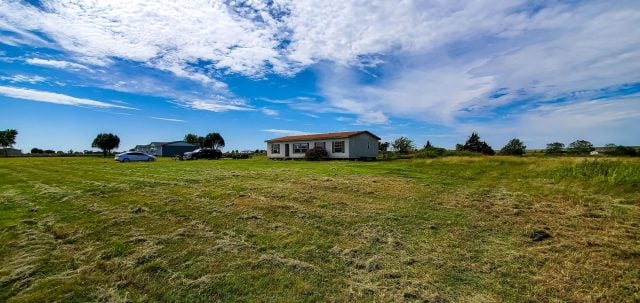
In this context, the subdivision of rural properties has spurred a real estate market in historically agricultural areas. This development has placed pressure on the productive capacity of these lands and raised new questions for rural planning.
According to the UCT academic, «Recreational plots play a central role in this process. They have facilitated new forms of rural land occupation and contributed to the growth of residential land use.»
The research suggests that the arrival of new residents can increase land values and living costs, as well as heighten pressure on housing, services, and available infrastructure, reflecting a broader transformation.
With these changes in mind, Professor Félix Rojo Mendoza warns of the need to strengthen territorial planning to manage residential growth and safeguard natural resources, agricultural land, and rural lifestyles.
«The discussion surrounding recreational plots underscores one of the country’s significant challenges: how to balance the legitimate interests of individuals in choosing where to live with the need to ensure sustainable territorial development for future generations,» he concluded.
Obtén tu Pasaporte y apoya a El Ciudadano
Elimina la publicidad, accede a contenido exclusivo y sé parte de la comunidad.
Cancela en cualquier momento · Sin permanencia