Original article: Estudio reveló que accidentes de trayecto ocurren al final de la jornada y cerca del fin de semana
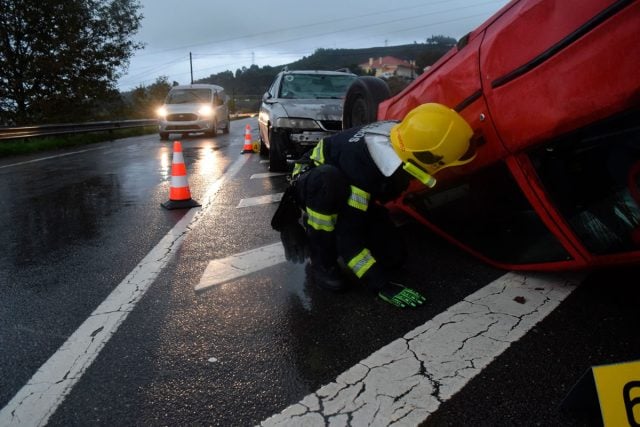
Stress and accumulated fatigue, or simply the anticipation of the weekend for relaxation, could partly explain why commuting accidents linked to extended recovery periods occur at the end of the workday and close to weekends.
This was established by a study funded by the Superintendence of Social Security (SUSESO) and led by Professor Sandra Alvear Vega from the University of Talca.
The research was based on accident records from the Mutual de Seguridad, which also identified that times when the highest number of cases occur do not coincide with periods of longer recoveries.
These findings are part of the second article resulting from the project, published in the international journal Archives of Public Health. The study examined clinical, personal, and situational variables connected to the recovery of workers injured during their commutes between home and the workplace.
In this context, Héctor Vargas Garrido, an academic from the Faculty of Psychology at the University of Talca and the lead author of the article, explained that the results could help broaden the focus on workplace prevention.
Key Findings
Among the most significant findings described in the article are cases occurring between 6:00 PM and 12:00 AM, from Friday to Sunday, which are associated with longer recovery periods.
«Accidents that require longer recovery time tend to occur towards the end of the week and at the end of the workday, and do not necessarily coincide with peak times,» stated Professor Vargas Garrido.
The research also identified a higher likelihood of prolonged recovery among men and individuals aged 45 and older. It also noted a greater probability of extended recovery in accidents with more severe injuries and multiple diagnoses.
These associations do not imply that gender, age, time of day, or day of the week alone cause extended absenteeism; however, they do help consider strategies for mitigation, the article adds.
Regarding possible explanations, academic Héctor Vargas suggested, «As a hypothesis, if we think these occur at the end of the workday and week, we might consider that accumulated fatigue, tiredness, and perhaps even sleepiness lead to greater vulnerability at these times because we might be too exhausted already.»
In conclusion, Professor Vargas maintained that these findings could help companies, administrative bodies, and workers enhance prevention efforts during commutes home. The measures proposed include active breaks before the end of the workday, fatigue assessments, alternative transportation options, and flexible working hours.
We will continue to provide updates.
Obtén tu Pasaporte y apoya a El Ciudadano
Elimina la publicidad, accede a contenido exclusivo y sé parte de la comunidad.
Cancela en cualquier momento · Sin permanencia